
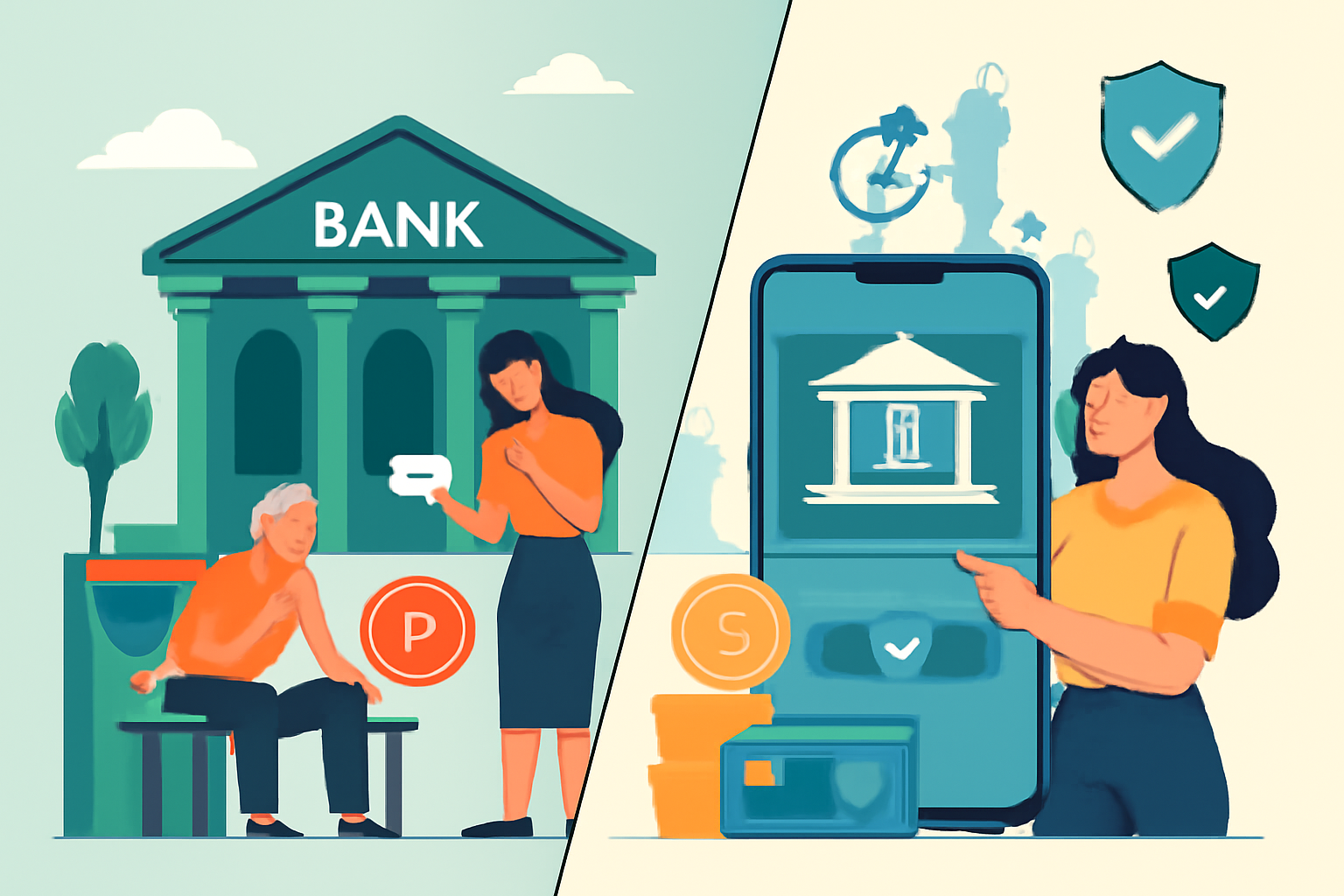
Over the past decade, the Philippines has seen a rapid digital transformation in the financial sector, with digital banking emerging as a key player in shaping the future of the country’s financial services. Traditionally dominated by brick-and-mortar institutions, the banking sector is now experiencing a shift, thanks to advancements in technology and the rising demand for more accessible, efficient financial solutions.
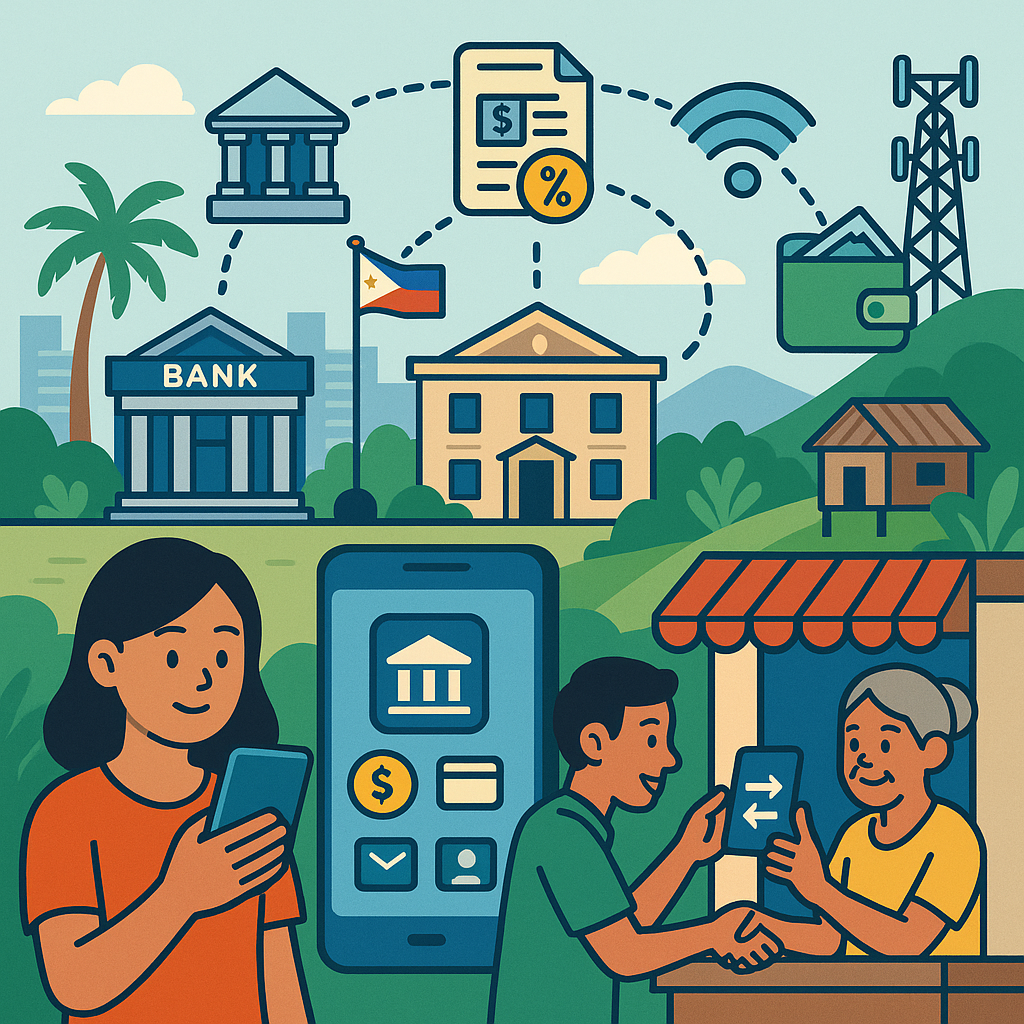
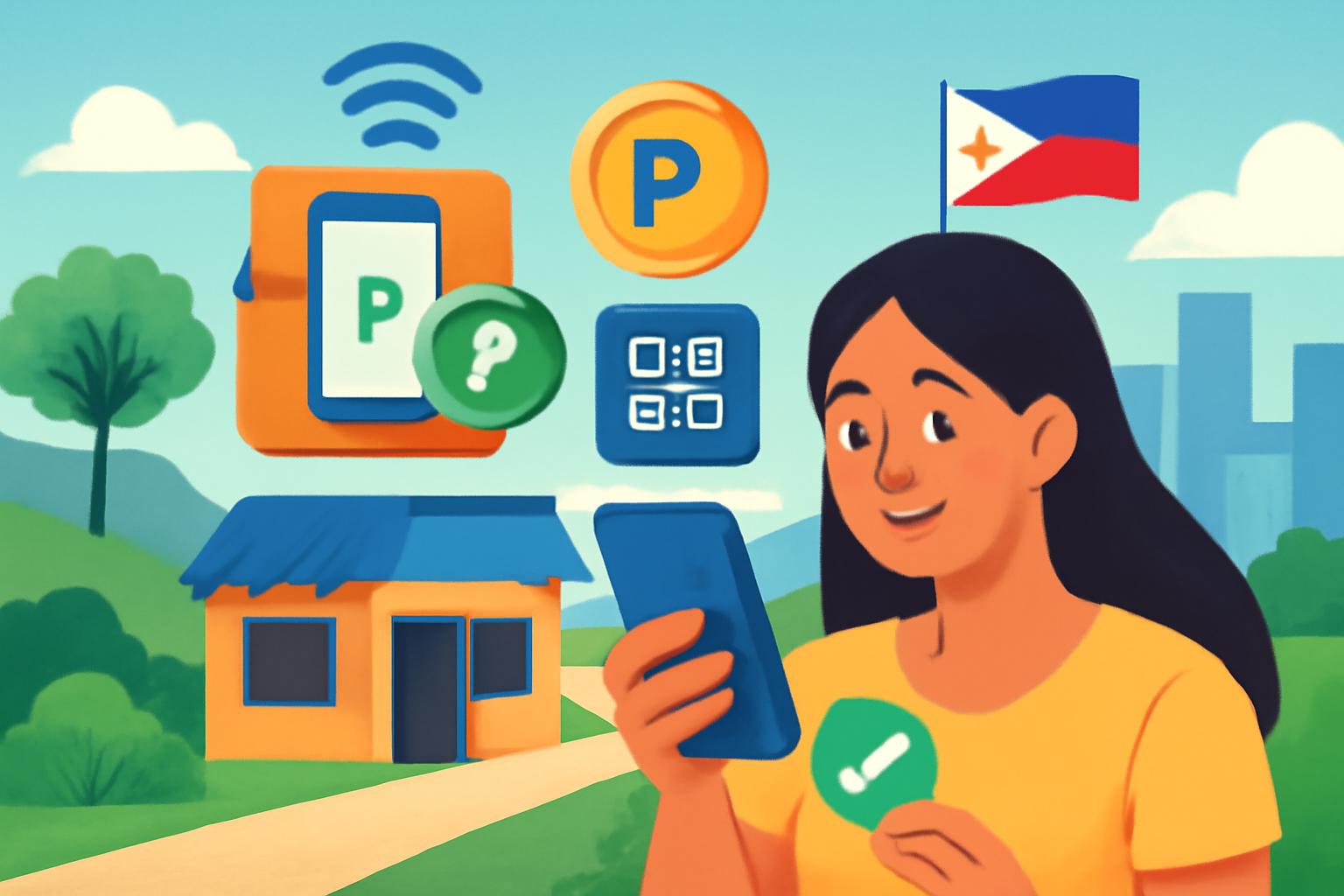
Digital banking refers to banking services that are primarily or entirely available online, without the need for physical branches. This innovation has revolutionized the financial services landscape in the Philippines by providing more Filipinos access to banking, especially in underserved and remote areas. The growing smartphone penetration, coupled with widespread internet access, has created an environment conducive to digital banking’s expansion.
A key catalyst for this change has been the Philippine government’s regulatory reforms aimed at enhancing financial inclusion. The Bangko Sentral ng Pilipinas (BSP) has played a pivotal role by granting licenses to digital-only banks. These banks operate exclusively online, reducing the operational costs associated with traditional banking models. As a result, digital banks are able to offer lower fees and more competitive interest rates, making financial services more affordable and accessible.
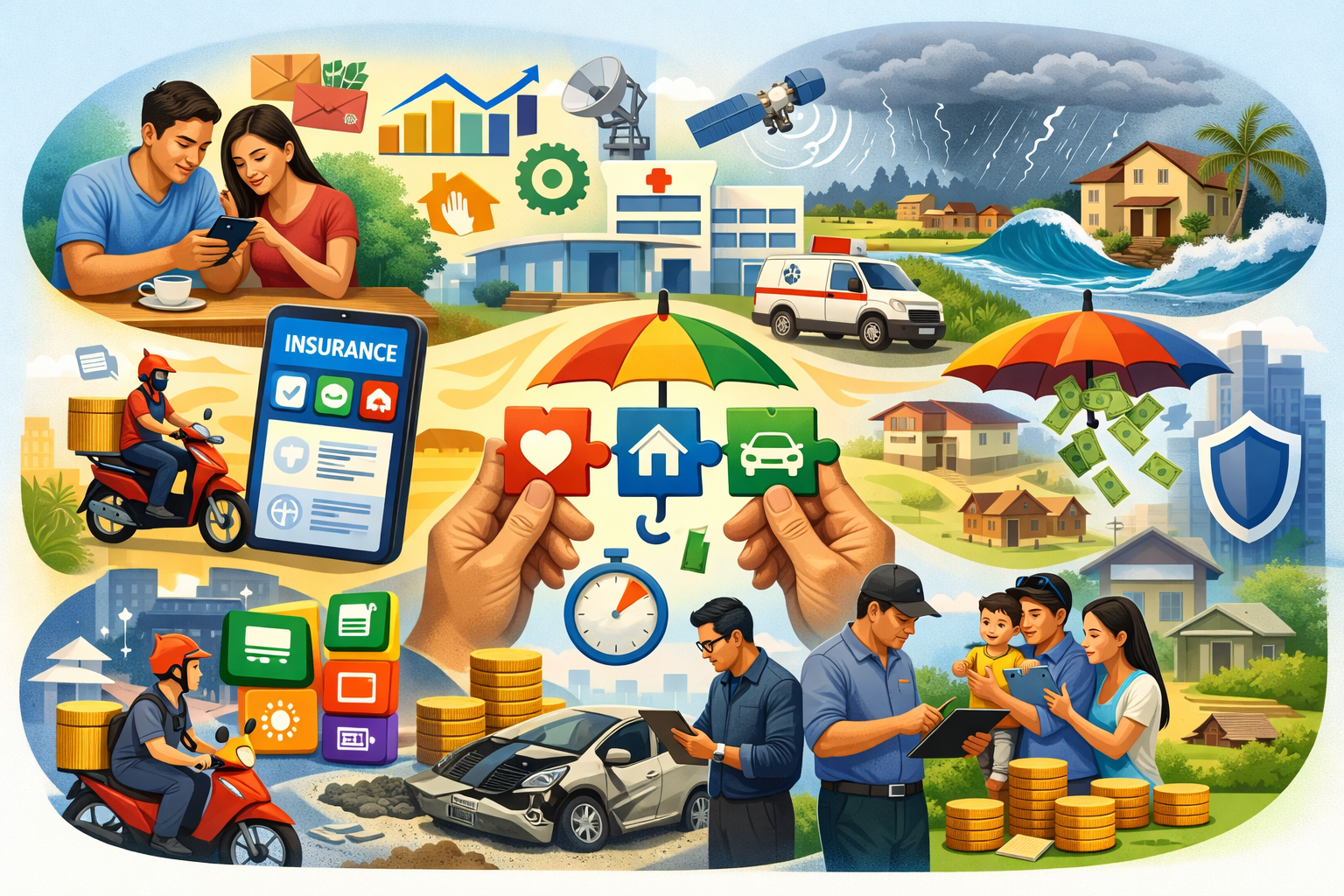
Digital banks in the Philippines are designed to cater to a broad range of customers, from the tech-savvy urban population to those in rural and underserved regions. Services offered include savings accounts, loans, insurance, and payment solutions, all managed through user-friendly mobile apps and websites. This wide array of services helps bridge the gap between the financially underserved and the formal banking system.
One of the most notable developments is the rise of neobanks or purely digital banks like Tonik, a Southeast Asian digital bank that was granted a digital bank license in the Philippines. These platforms are rapidly gaining traction due to their customer-centric approach and innovative financial products. Additionally, traditional banks are increasingly adopting digital strategies to stay competitive in a rapidly evolving market.
The shift towards digital banking in the Philippines is also helping to address the issue of financial exclusion. According to BSP data, only about 29% of Filipinos had access to formal financial institutions before the rise of digital banking. However, with digital-only banks and mobile wallet services like GCash and PayMaya, more people can now participate in the financial system, whether through saving, investing, or transacting.
The evolution of digital banking in the Philippines signifies a broader trend toward more inclusive financial systems in developing countries. As these digital platforms grow and become more integrated into the daily lives of Filipinos, the overall financial ecosystem in the country will become more robust and inclusive, providing greater opportunities for economic growth and development.