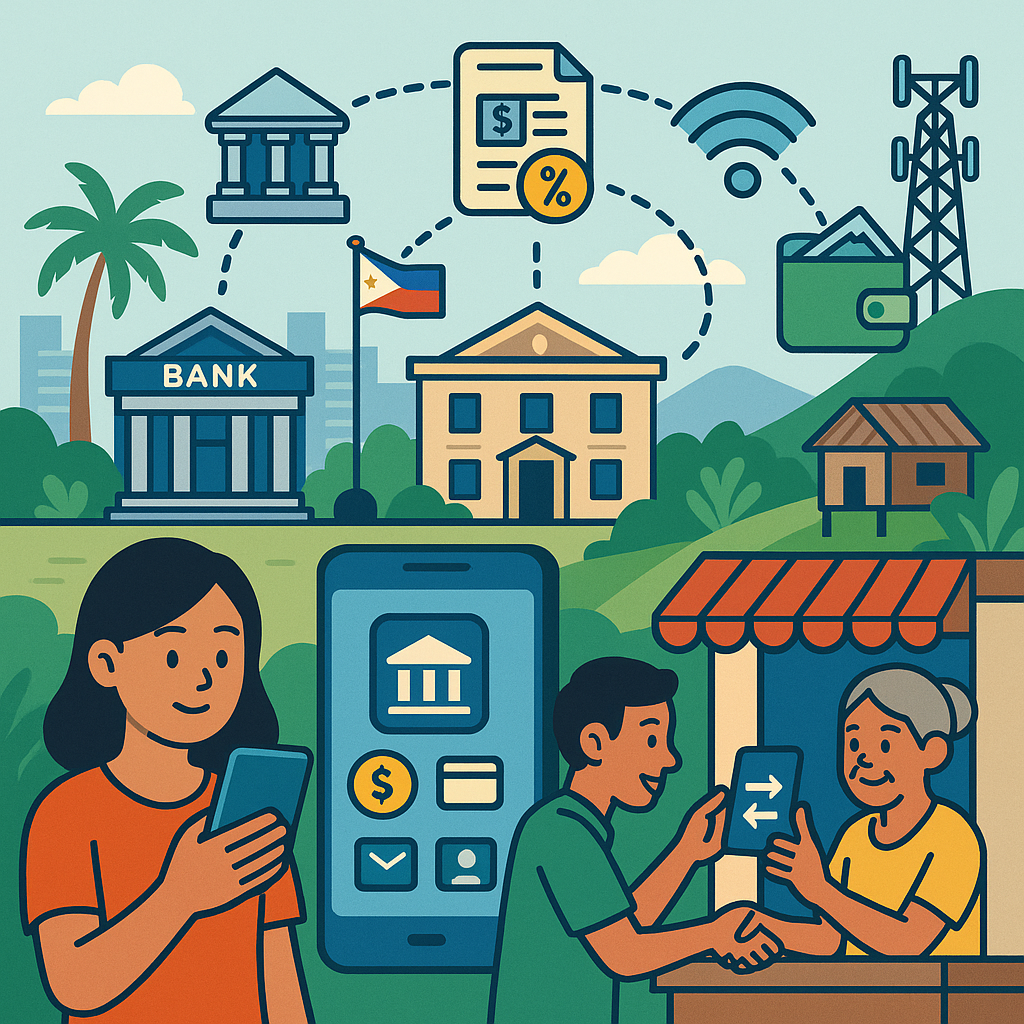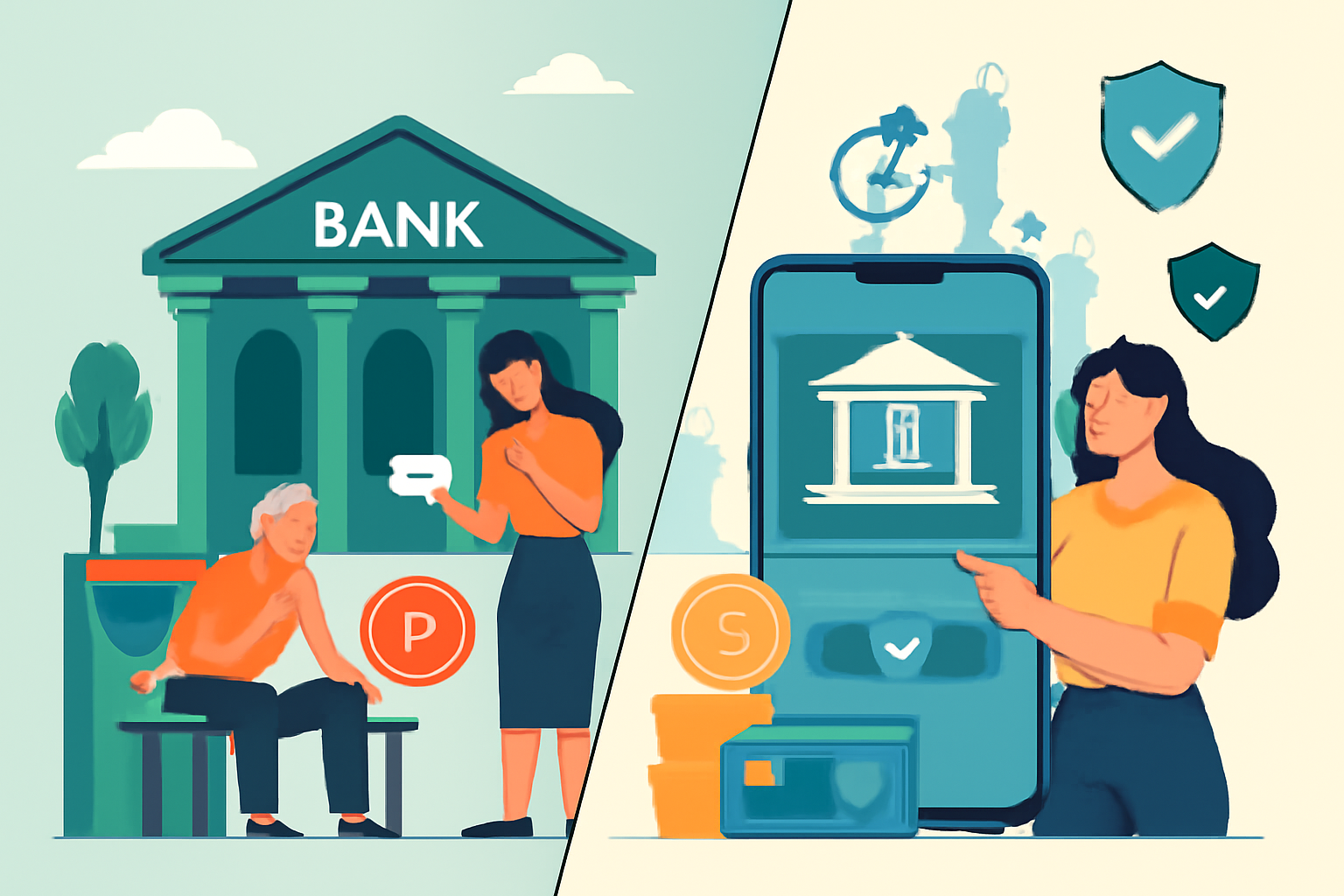

Over the past decade, the Philippine banking industry has rapidly expanded its digital services. Mobile apps, online banking portals, and real-time fund transfers have become everyday tools for customers. Alongside this progress, however, cybercriminals have found new ways to exploit weaknesses in systems, people, and processes. As a result, cybersecurity is no longer just a technical concern; it has become a core element of business resilience for banks operating in the Philippines.
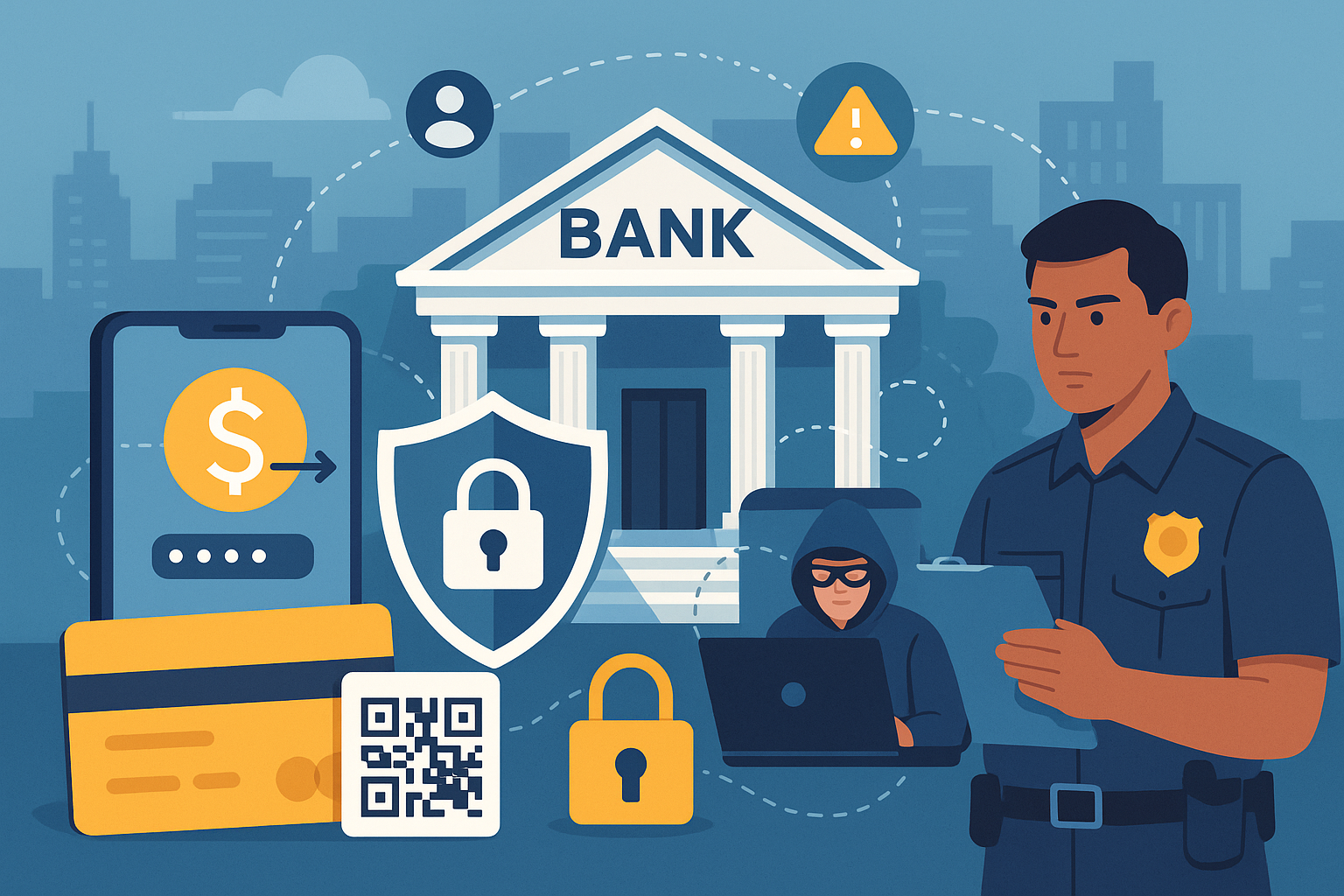
The threat landscape confronting Philippine banks is broad and constantly evolving. Phishing campaigns targeting customers and employees remain one of the most common attack vectors. Fraudsters craft convincing emails or messages that mimic legitimate bank communication, tricking victims into revealing login credentials or one-time passwords. In parallel, malware and ransomware attacks can lock down critical systems or exfiltrate sensitive data, forcing banks into difficult negotiations or potentially large financial losses.
Social engineering is particularly dangerous in a culture where trust and personal relationships are highly valued. Attackers frequently impersonate bank staff, regulators, or vendors to pressure employees into bypassing security procedures. Insider threats also pose a risk, whether through disgruntled staff intentionally abusing access, or well-meaning employees making mistakes that open doors to attackers. These human factors mean that cybersecurity is as much about behavior and awareness as it is about technology.
On the regulatory side, the Bangko Sentral ng Pilipinas (BSP) has elevated cybersecurity expectations. BSP has issued various circulars and guidelines that require banks to establish robust information security programs, conduct regular risk assessments, and report significant cyber incidents. These regulations emphasize governance: boards of directors must understand cyber risk, allocate resources, and ensure that management implements adequate controls. The Philippine Data Privacy Act further compels banks to protect personal data and notify authorities in the event of data breaches.
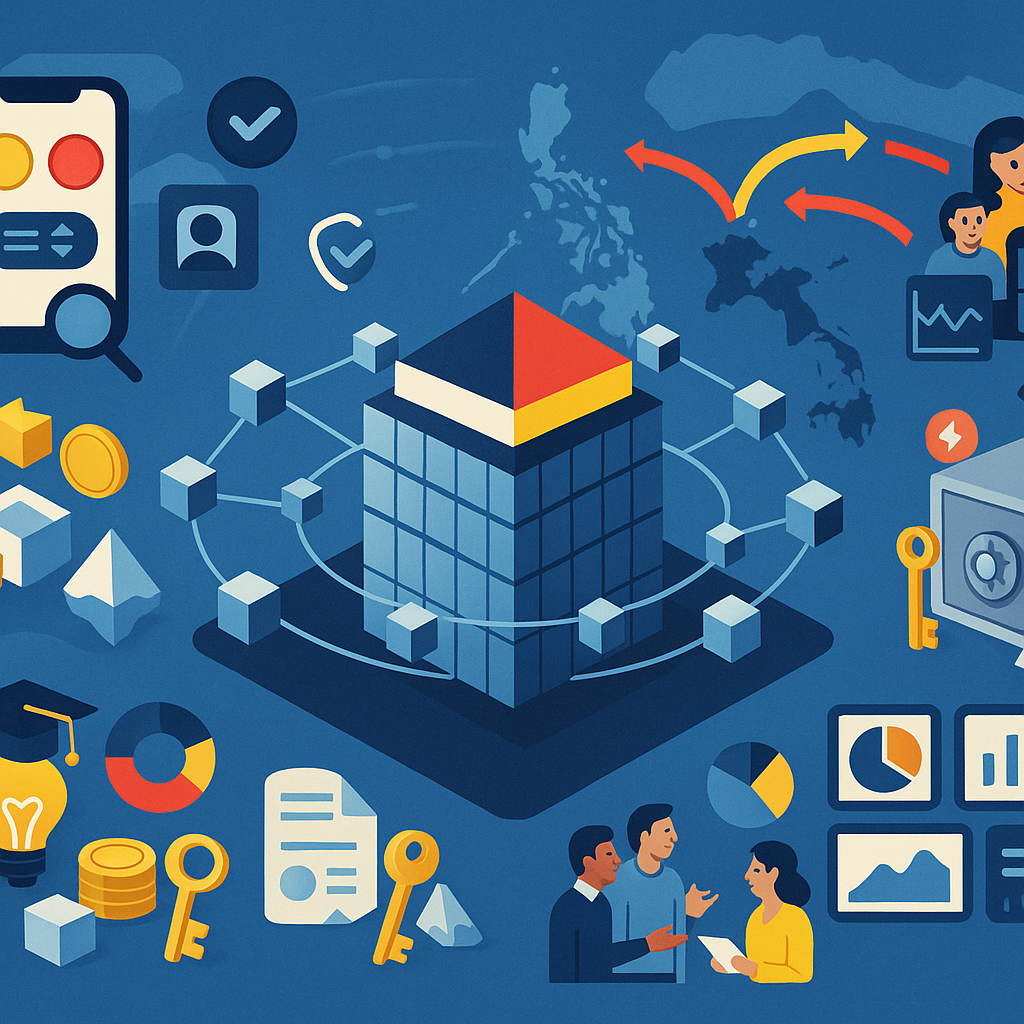
To manage these expectations and threats, banks are adopting a layered defense strategy. This often includes network segmentation, strict access control, and the principle of least privilege to reduce the impact of compromised accounts. Multi-factor authentication, encryption of data in transit and at rest, and secure coding practices for banking applications are becoming standard. Some institutions operate dedicated Security Operations Centers (SOCs) that monitor network activity around the clock, using advanced analytics to detect anomalies.
However, technology alone cannot secure the sector. Regular training and awareness campaigns for staff are critical. Employees need to recognize phishing attempts, understand why password sharing is dangerous, and know how to report suspicious incidents. Many banks also invest in educating customers about secure online banking practices, including verifying URLs, not sharing OTPs, and using official channels for communication.
Third-party risk management is another key dimension. Banks increasingly rely on cloud providers, fintech partners, and outsourced service providers. Each external relationship introduces potential vulnerabilities. Effective due diligence, contractual security requirements, and continuous monitoring of third parties help ensure that partners maintain the same security standards expected of banks themselves.
Looking ahead, Philippine banks must treat cybersecurity as an ongoing journey rather than a one-time project. Threat actors will continue to innovate, targeting new technologies such as open banking interfaces and real-time payment rails. Institutions that integrate cybersecurity into their overall strategy, invest in people and technology, and maintain strong collaboration with regulators and industry peers will be best positioned to build trust and protect their customers in the digital era.