
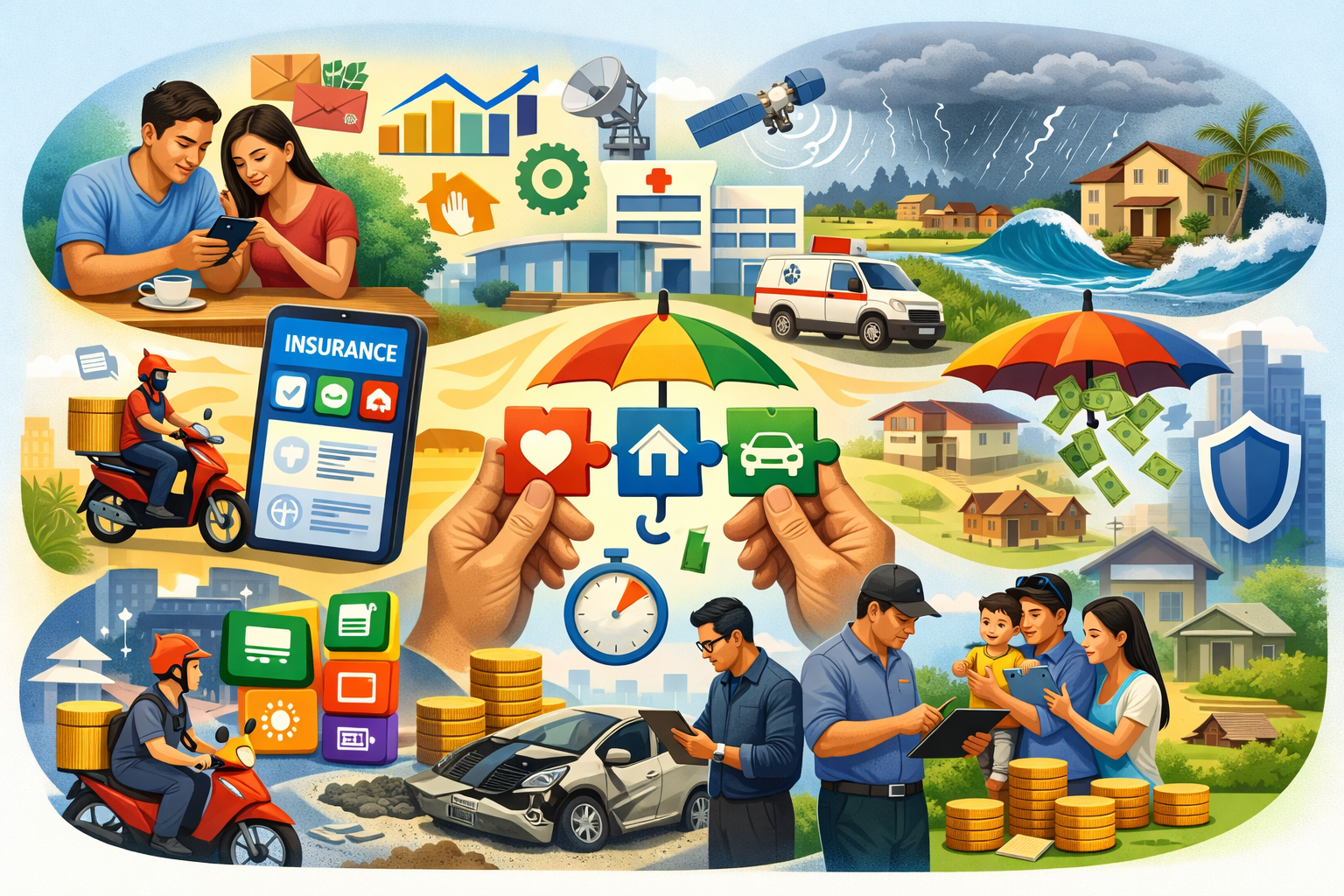
The insurance industry in the Philippines is often described as a “growth market with a protection gap.” Demand for financial protection is rising alongside a young population, a large overseas workforce, fast adoption of mobile payments, and frequent climate-related disruptions. Yet insurance ownership remains uneven—stronger in urban centers and among salaried workers, weaker in rural areas and within informal employment. This mix creates a clear mandate for innovation: insurers must lower distribution and servicing costs while designing products that match how Filipinos earn, spend, and manage risk.
Market dynamics and consumer needs
Traditional life and non-life lines still anchor the sector, but customer priorities have broadened. Families frequently seek protection linked to hospital bills, income interruption, and disaster recovery, rather than large, long-term policies alone. Many households budget weekly or monthly, which makes flexible premiums and bite-sized coverage more attractive. Trust also matters: some potential buyers hesitate because they worry about complicated terms or delayed claims. These realities reward insurers that communicate plainly, offer transparent claims processes, and allow customers to start small.
Microinsurance and inclusive product design
Microinsurance has become a key inclusion mechanism, typically featuring affordable premiums, simplified documentation, and faster claims. In the Philippine context, microinsurance is often distributed through cooperatives, mutual benefit associations, community-based groups, and increasingly through digital channels. Products frequently cover life, accident, health add-ons, and property risks at low sums insured—sufficient to stabilize a household after a shock. Innovation here is less about flashy features and more about operational discipline: streamlined underwriting, standardized benefits, and claims procedures that work even when customers have limited paperwork.
Digital distribution and “embedded” protection
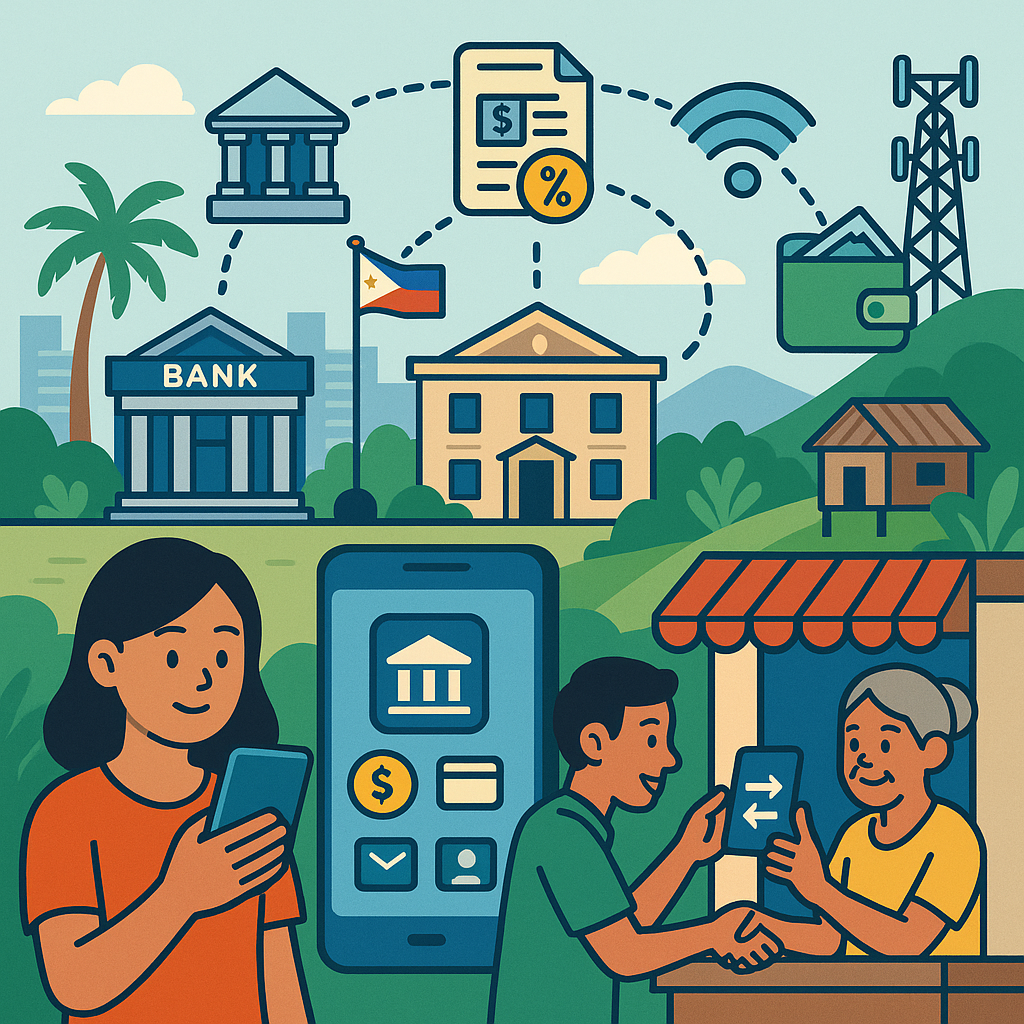
Mobile-first behavior is reshaping how insurance is sold and serviced. Insurers and intermediaries increasingly use e-KYC processes, electronic policy issuance, and digital payments to reduce friction. Partnerships with e-wallets, remittance channels, and e-commerce platforms make “embedded insurance” possible—coverage offered at the moment of need, such as shipment protection for online purchases, gadget coverage at checkout, or personal accident cover bundled with rides or deliveries. These models can expand reach dramatically because they meet customers where they already transact.
Underwriting and claims modernization
Insurtech tools support faster, more consistent decision-making. Alternative data—used responsibly—can help assess risk when traditional credit histories or formal employment records are limited. Automation also improves customer experience: app-based claims filing, photo or video documentation for motor and property claims, and real-time status updates reduce the anxiety that often accompanies a claim. Some insurers experiment with parametric or index-triggered products for weather events, aiming to release payouts quickly when objective thresholds are met—an attractive approach in a country exposed to typhoons and flooding.
Regulation, resilience, and the road ahead
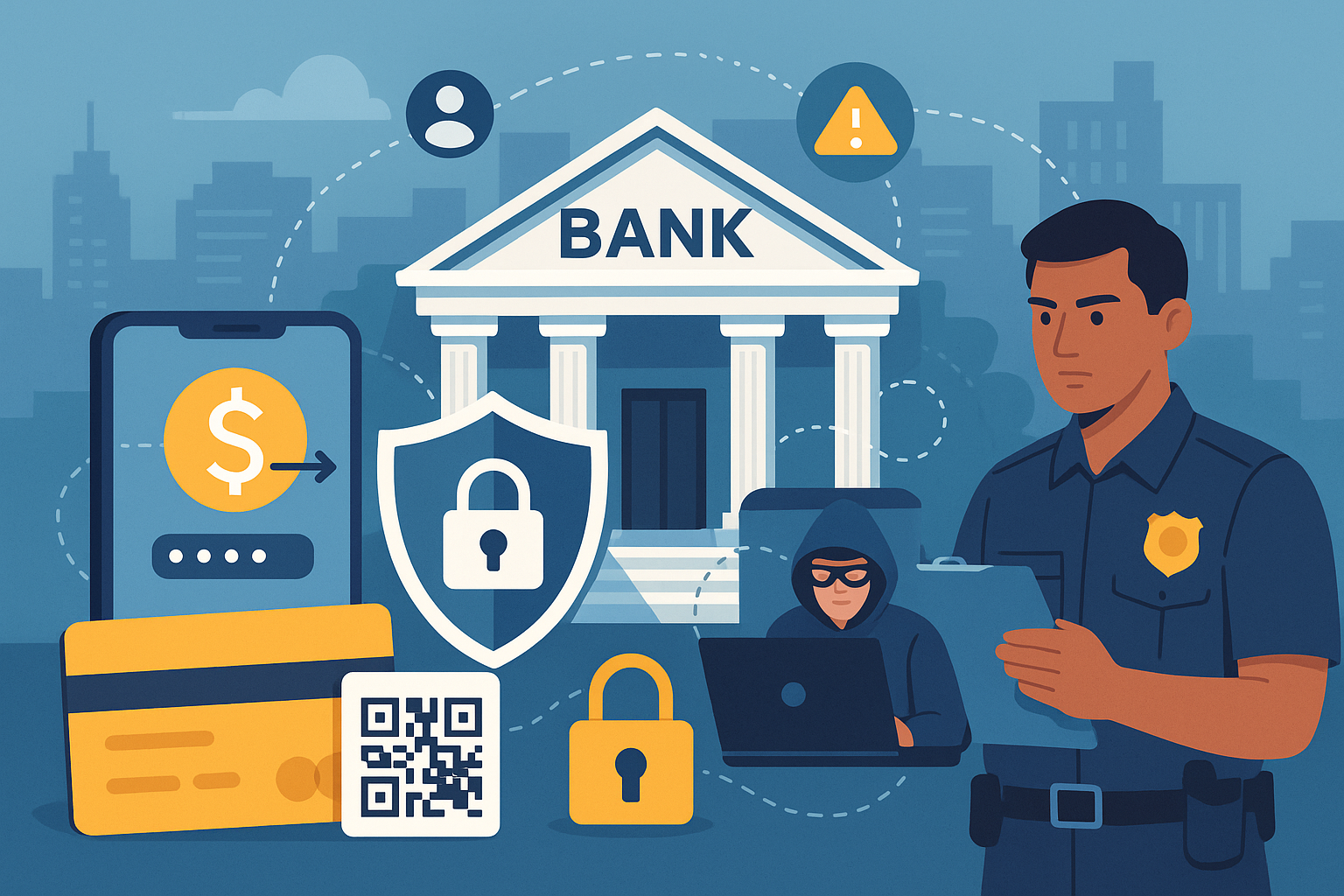
Sector development depends on strong consumer protection and solvency oversight. As products become more digital, regulators and firms must pay attention to data privacy, cybersecurity, and fair marketing practices, especially for first-time buyers. Another pressure point is climate risk: pricing and reinsurance strategies must reflect increasing disaster frequency and severity. The Philippine insurance sector’s opportunity lies in combining inclusive products, low-cost digital servicing, and credible claims performance—turning insurance from a “nice-to-have” into a practical tool for everyday resilience.