
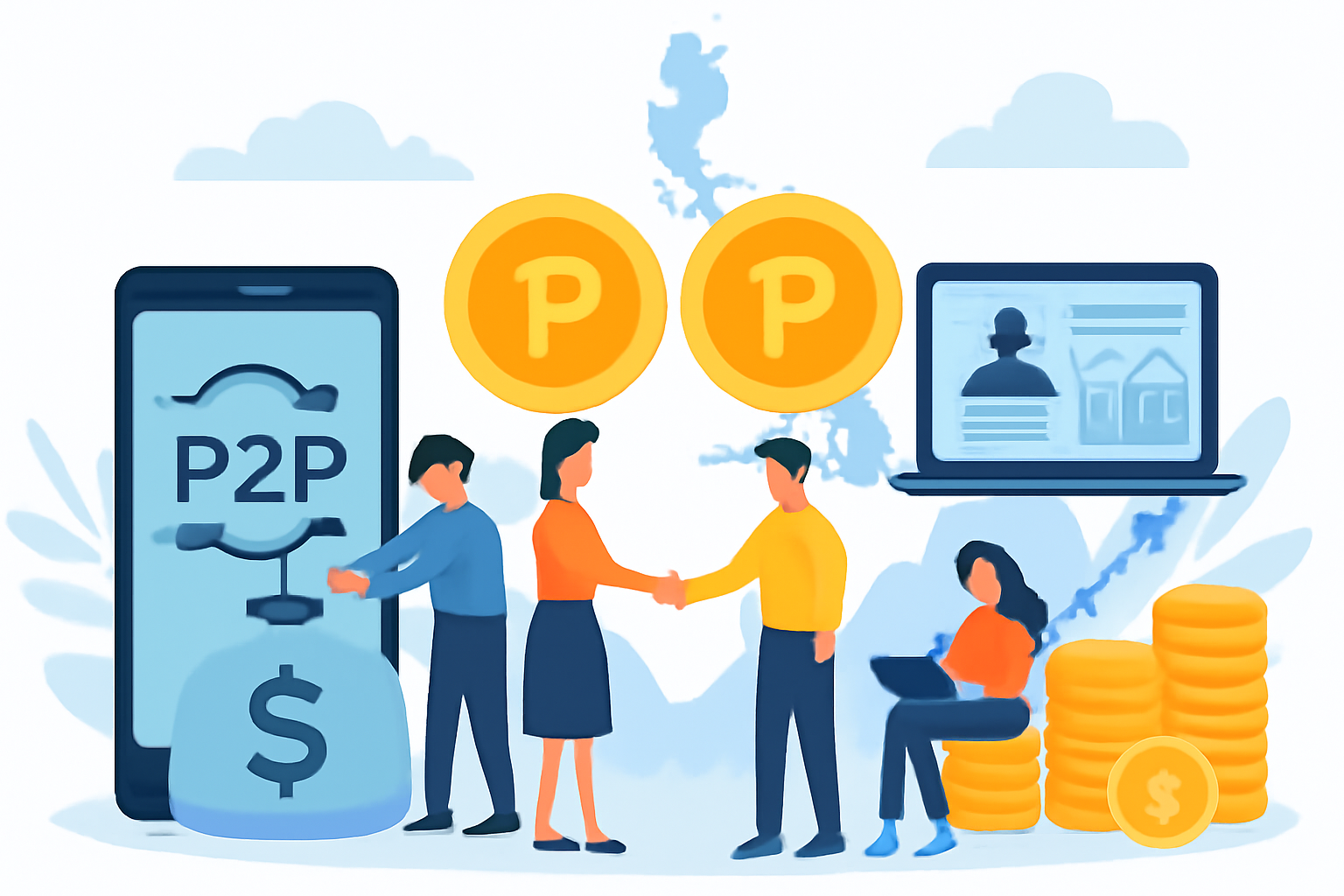
The rise of Peer-to-Peer (P2P) lending platforms in the Philippines has created an exciting avenue for investors looking to diversify their portfolios and tap into emerging markets. P2P lending allows individuals to lend money directly to borrowers, cutting out traditional financial institutions like banks. As the Philippines is a growing economy with a large unbanked population, P2P lending presents both unique opportunities and potential risks for investors.
Opportunities for Investors
- Access to High-Yield Investments:
One of the primary attractions of P2P lending is the potential for high returns on investment. In the Philippines, the interest rates offered by P2P platforms are often much higher compared to traditional bank savings accounts or fixed-income investments. Investors can earn returns in the range of 8% to 18% annually, depending on the risk profile of the borrower. - Diversification of Investment Portfolio:
P2P lending offers investors the ability to diversify their portfolios beyond traditional stocks and bonds. The inclusion of P2P loans can help balance out risk and provide opportunities for consistent returns, especially for those looking to diversify into alternative asset classes. This is particularly important for risk-averse investors who want to reduce their reliance on volatile equity markets. - Growing Market with a Large Unbanked Population:
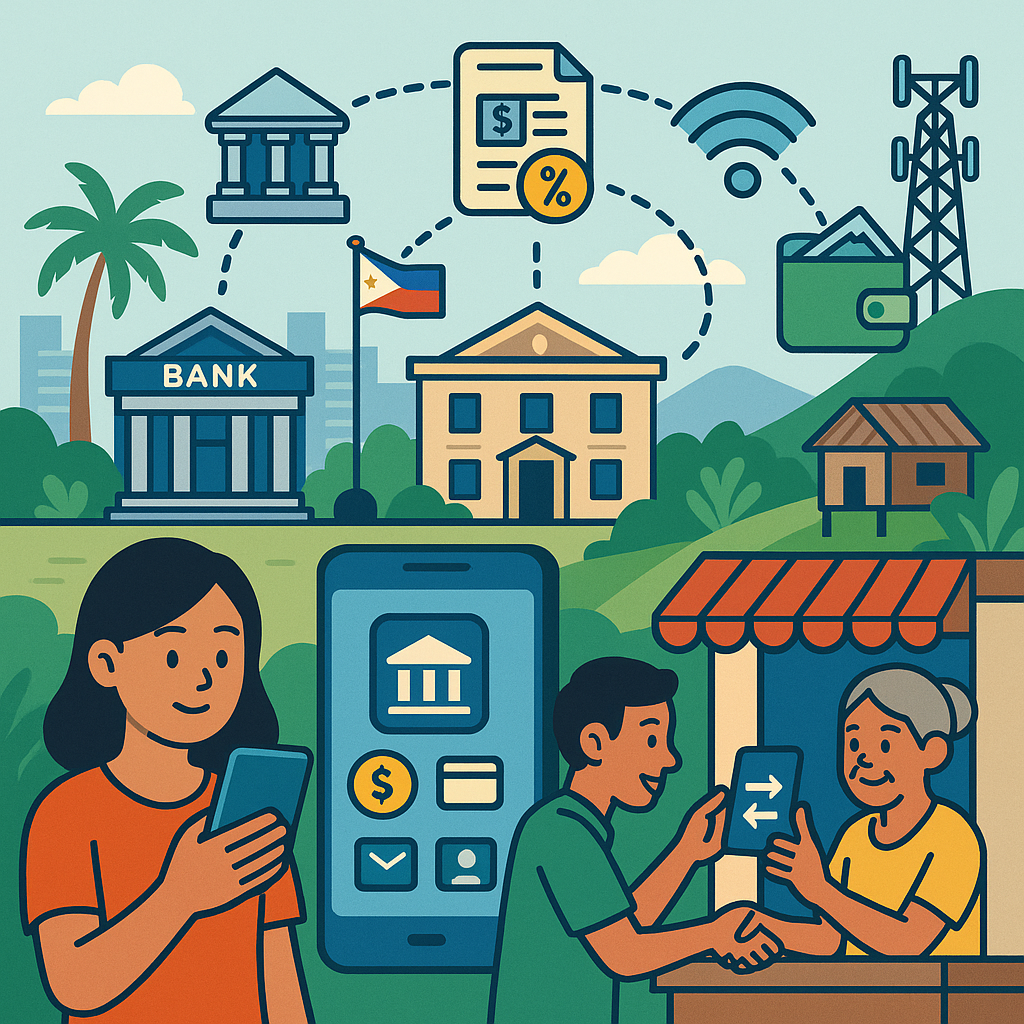
The Philippines has a large unbanked population, with over 70% of Filipinos lacking access to formal financial services. This represents a significant opportunity for investors as demand for alternative lending solutions continues to grow. P2P platforms can bridge this gap, offering loans to individuals and small businesses who are otherwise excluded from traditional banking.
Challenges for Investors
- Credit Risk:
One of the biggest risks in P2P lending is the potential for borrower defaults. Since many borrowers in the Philippines may not have a formal credit history, assessing their creditworthiness can be challenging. Platforms typically employ a variety of methods, such as credit scoring models and borrower vetting processes, to mitigate this risk. However, the inherent risk remains, and investors should be prepared for the possibility of losing their invested capital. - Regulatory Uncertainty:
The P2P lending market in the Philippines is still in its early stages and lacks comprehensive regulatory oversight. While the government has expressed interest in regulating this space, it is uncertain when formal regulations will be implemented. This uncertainty creates potential risks for investors, as changes in the regulatory landscape could impact platform operations, fees, and borrower protections. - Platform Risk:
Investors must also consider the risk of platform failure. P2P lending platforms are typically small, startup-type businesses that may not have the same financial stability as larger, traditional financial institutions. If a platform goes bankrupt or faces financial difficulties, investors could lose access to their funds or face delays in receiving payments. Therefore, choosing a reputable platform with a strong track record is crucial. - Liquidity Issues:
Unlike stocks or bonds, P2P loans are typically illiquid. Once funds are invested in a loan, they are tied up for the duration of the loan term, which can range from several months to years. If an investor needs to access their capital before the loan is repaid, they may face challenges in selling or liquidating their investment.
Future Outlook
Despite these challenges, the future of P2P lending in the Philippines looks promising. As technology advances and the regulatory environment matures, the sector is likely to become more robust and attractive to both local and international investors. The continued growth of the digital economy in the Philippines, along with increased access to mobile banking and online platforms, will likely drive further adoption of P2P lending.
In conclusion, while there are significant opportunities for high returns and portfolio diversification, investors must also be aware of the risks associated with P2P lending in the Philippines. A cautious and informed approach, along with due diligence in selecting lending platforms, will be key to achieving success in this emerging market.