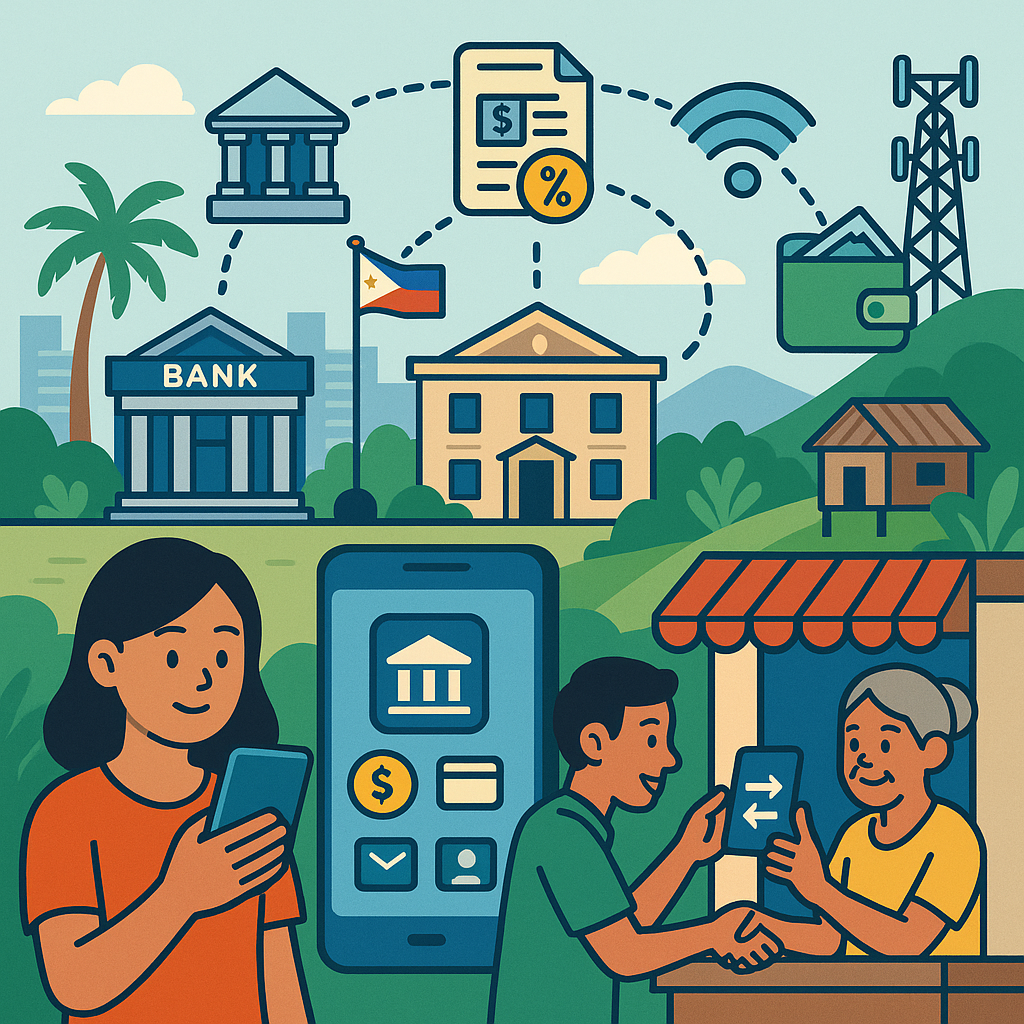


The Philippines, with its rapidly growing economy and expanding financial markets, has become an attractive destination for both local and international investors. The country’s favorable demographic profile, strong economic growth, and government support make it an appealing market for investment. However, while there are ample opportunities, there are also various challenges that investors must navigate to succeed in this emerging market.
Investment Opportunities
- Robust Economic Growth
The Philippines has experienced consistent economic growth over the past decade, driven by strong domestic consumption, remittances from overseas Filipino workers (OFWs), and a vibrant services sector. The Philippine economy grew by an average of 6.4% from 2010 to 2019, positioning it as one of the fastest-growing economies in Asia. The country’s economic growth is expected to continue, supported by government infrastructure projects under the “Build, Build, Build” program, which will create long-term benefits for various industries. - Favorable Demographics
With a population of over 113 million people, the Philippines boasts a young and growing workforce, which is a critical factor for investment success. This demographic profile provides a large consumer base, especially for retail, real estate, and financial sectors. Moreover, the growing middle class is expected to drive demand for consumer goods, housing, and financial services, making it a compelling market for investors. - Stock Market Potential
The Philippine Stock Exchange (PSE) presents diverse investment opportunities, with numerous local companies offering growth prospects. The country’s stock market includes a range of sectors, such as banking, real estate, consumer goods, telecommunications, and energy, each offering unique opportunities for investors. Companies like Ayala Corporation, SM Investments, and BDO Unibank have strong track records and continue to provide robust returns for investors. - Real Estate Sector Growth
The real estate sector is one of the most lucrative investment options in the Philippines, driven by the growing demand for residential, commercial, and mixed-use developments. Major cities like Metro Manila, Cebu, and Davao continue to see property appreciation, fueled by urbanization and infrastructure development. Additionally, the growing popularity of real estate investment trusts (REITs) provides a more accessible way for both local and international investors to gain exposure to the Philippine real estate market. - Expanding Digital Economy
The digital economy is rapidly evolving in the Philippines, driven by increased internet penetration, mobile technology, and digital payments. Investors who target tech-based ventures, fintech startups, and e-commerce platforms are well-positioned to benefit from the country’s growing online market. The government’s initiatives to enhance digital infrastructure further support the potential for growth in this sector.
Challenges for Investors
- Political and Regulatory Risks
One of the primary challenges for investors in the Philippines is navigating the political and regulatory landscape. While the government has implemented reforms to improve ease of doing business, bureaucracy, corruption, and changes in leadership can pose risks to foreign and local investors alike. Changes in policies, taxes, and regulations may also affect investment returns. - Inflation and Currency Volatility
Inflation and currency fluctuations are ongoing concerns for investors in the Philippines. The country has experienced periods of high inflation, which can erode investment returns and purchasing power. Moreover, the Philippine Peso is vulnerable to fluctuations due to global economic conditions, which can impact foreign investments. - Infrastructure Deficits
Despite progress in the government’s infrastructure programs, the Philippines still faces significant infrastructure challenges. Traffic congestion, inadequate transportation networks, and unreliable public utilities remain persistent issues. These infrastructure gaps can impact the ease of doing business, slow down logistics, and affect real estate development in key urban centers. - Natural Disasters
The Philippines is prone to natural disasters such as typhoons, earthquakes, and volcanic eruptions, which can disrupt economic activities and damage infrastructure. These disasters can be a risk for businesses, especially in the agriculture, manufacturing, and construction sectors. Investors should be aware of the potential risks and take precautionary measures to mitigate losses. - Market Liquidity
While the Philippine Stock Exchange offers a variety of investment opportunities, market liquidity remains a concern, particularly for smaller or emerging stocks. Lack of liquidity can result in volatility and difficulty in buying or selling assets at desired prices. For investors with limited market knowledge, this can pose additional risks.
Conclusion
Investing in the Philippine financial market presents a mix of exciting opportunities and significant challenges. The country’s strong economic fundamentals, demographic advantage, and growing sectors like real estate and digital technologies create a compelling case for investment. However, navigating political instability, regulatory uncertainty, and market volatility are important considerations for any investor. A well-researched, cautious approach that accounts for these factors will help investors make informed decisions in the dynamic and evolving Philippine market.