


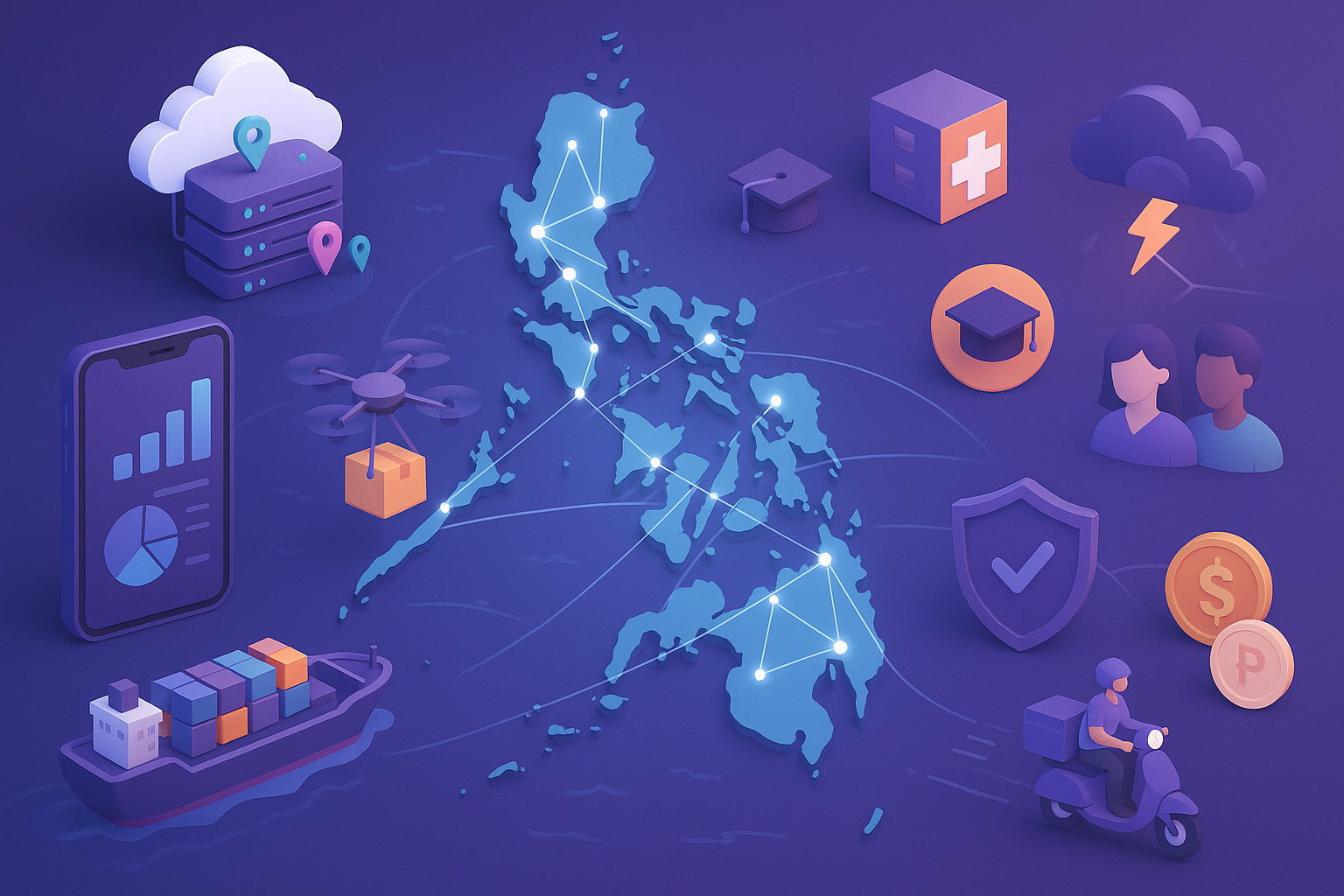
The Internet of Things (IoT) is becoming a major force in the growth of startups across the Philippines. IoT refers to a system of connected devices that collect, transmit, and analyze data in real time. These devices include sensors, smart meters, GPS trackers, wearable tools, and automated machines. For startups, IoT offers more than technological convenience. It creates opportunities to solve local problems, improve operations, and build entirely new business models.
In the Philippines, startups often operate in an environment with unique challenges such as traffic congestion, fragmented supply chains, natural disasters, high logistics costs, and limited access to services in remote areas. IoT helps address many of these concerns by making business processes more visible and data-driven. For example, logistics startups use IoT sensors and GPS systems to track delivery vehicles, monitor fuel use, and optimize routes. This leads to faster deliveries, better customer service, and lower operating expenses.
Agritech startups are among the biggest beneficiaries of IoT adoption. Agriculture remains an important sector in the Philippines, yet many farms still struggle with unpredictable weather, inefficient irrigation, and low productivity. Startups are now introducing smart farming solutions powered by sensors that measure soil moisture, temperature, humidity, and crop health. Farmers can receive alerts through mobile apps and respond quickly to changing conditions. These tools help reduce waste, increase yield, and support more efficient resource use.
In healthcare, IoT is creating new opportunities for startups to expand access to medical services. Remote patient monitoring devices, wearable health trackers, and connected diagnostic tools are especially valuable in an archipelagic country where many communities are far from hospitals. Health startups can use IoT to monitor blood pressure, glucose levels, heart rate, and other vital signs without requiring patients to travel frequently. This improves preventive care and helps doctors make quicker decisions based on continuous data.
Retail and e-commerce startups in the Philippines are also using IoT to gain a stronger understanding of customer behavior and inventory movement. Smart shelves, RFID tags, and connected point-of-sale systems allow businesses to monitor stock levels automatically and reduce losses caused by shrinkage or poor forecasting. For online sellers and warehouse-based startups, IoT contributes to more accurate inventory planning and faster fulfillment.
Another important impact of IoT is its role in energy efficiency and sustainability. Startups focused on green technology, smart buildings, and energy management use connected devices to monitor electricity usage, detect inefficiencies, and automate lighting or cooling systems. In a country where power costs can affect profitability, this can make a substantial difference. Startups that combine sustainability with cost savings are more likely to attract both customers and investors.
Despite its advantages, IoT adoption in the Philippines still faces barriers. Internet connectivity remains uneven in some regions, hardware costs may be high for early-stage businesses, and cybersecurity concerns are growing as more devices become connected. Startups must also invest in technical talent capable of managing data analytics, cloud systems, and embedded hardware. Regulatory standards around data privacy and digital infrastructure will play an important role in supporting safer adoption.
Even with these challenges, IoT is clearly becoming a strategic tool for Filipino startups. It allows small companies to operate more intelligently, respond to market demands faster, and create services tailored to local needs. As digital infrastructure improves and innovation ecosystems mature, IoT is likely to become one of the most influential technologies shaping the next generation of startups in the Philippines.









Leave a Reply