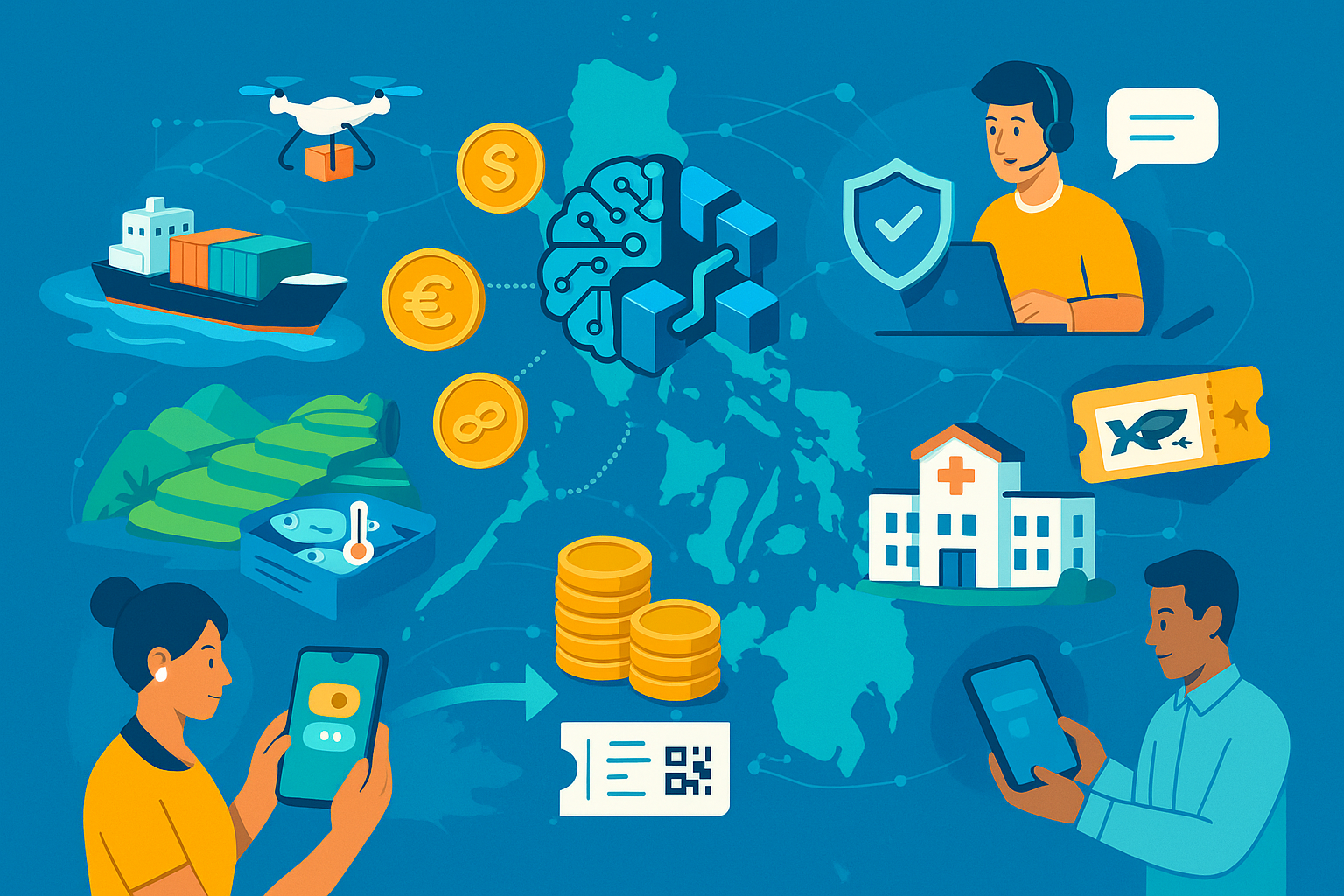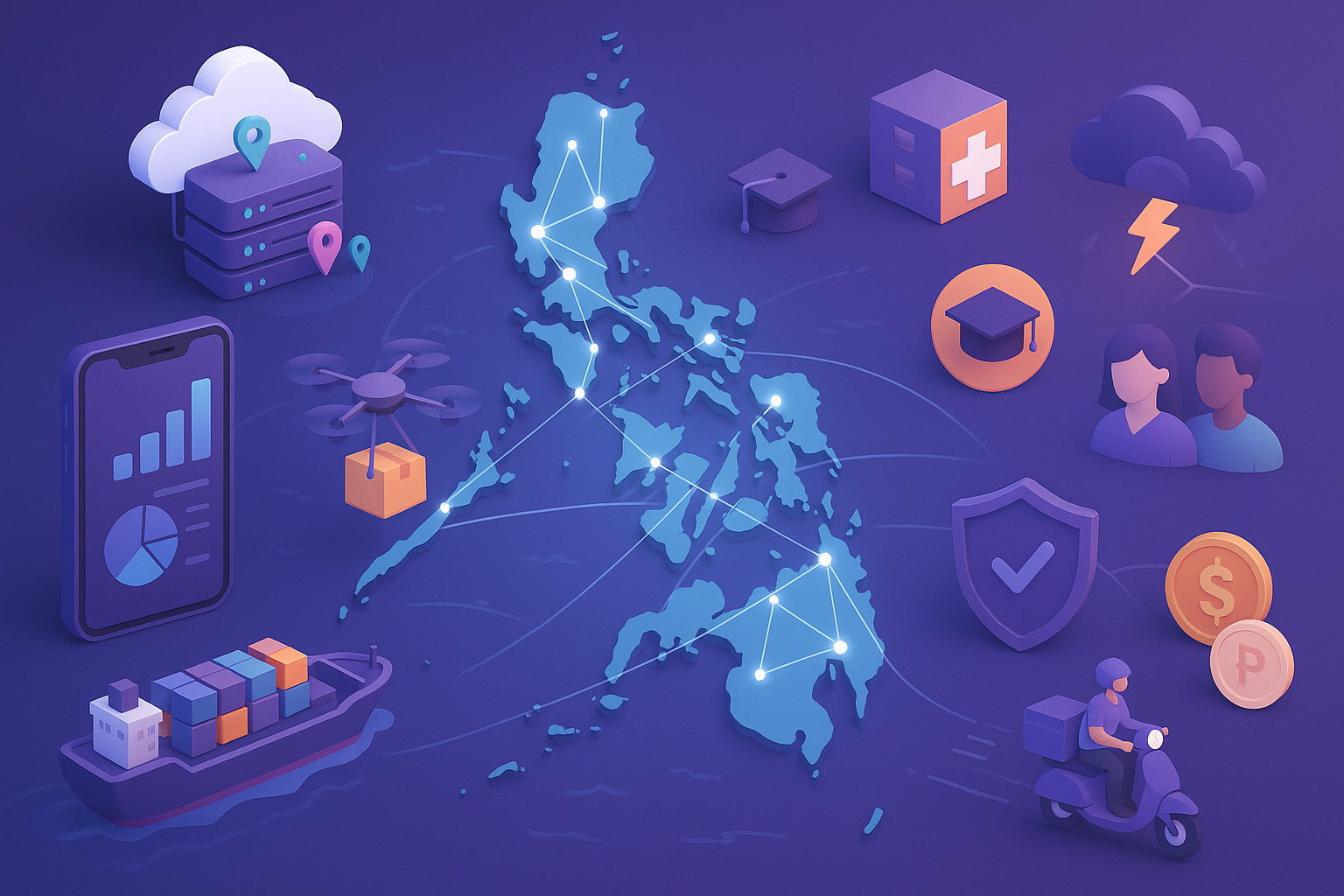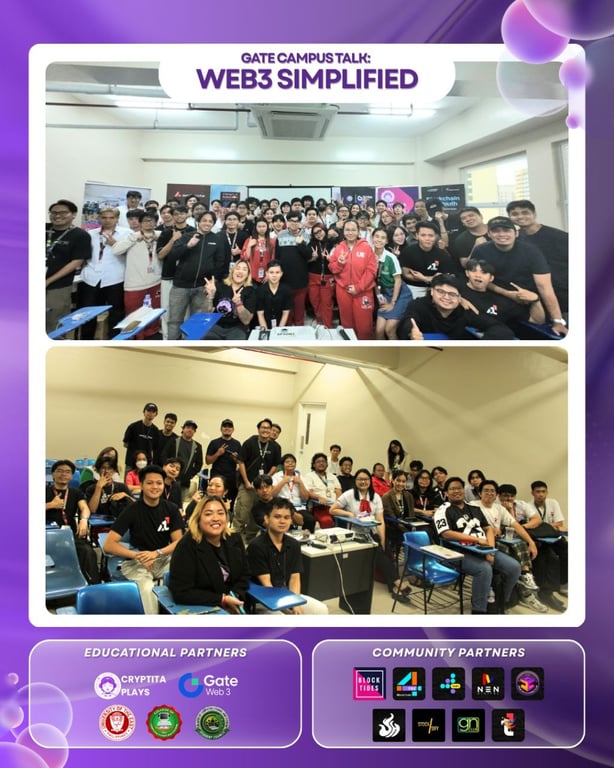


Incubators and accelerators have become core pillars of the Philippine innovation economy, forming the connective tissue between raw entrepreneurial potential and market-ready technology ventures. While both aim to reduce failure rates and compress learning cycles, they do so in different ways. Incubators typically engage founders earlier, offering workspace, mentorship, and foundational business support over longer horizons. Accelerators focus on rapid growth, investment readiness, and market entry over a defined cohort period, often culminating in a demo day.
In practice, these programs help founders de-risk their journeys. Filipino teams frequently begin with strong technical execution but face hurdles in market segmentation, pricing, and capital strategy. Through structured curriculum and one-on-one mentoring, programs stress test assumptions, refine problem-solution fit, and anchor teams to measurable milestones. This rigor helps founders identify an ideal customer profile, validate willingness to pay, and sharpen the unit economics essential for scaling.
Funding pathways are another critical contribution. Many accelerators provide pre-seed checks or facilitate investor access via partner funds and alumni angels. Even for incubators that do not invest directly, the preparation around data rooms, cap tables, and term sheet literacy reduces friction in fundraising. Startups also benefit from connections to corporate partners, enabling pilots within sectors like fintech, logistics, healthtech, and agritech—fields where credibility and compliance are significant barriers.
The Philippine context adds unique value levers. Programs often guide founders through local regulatory considerations—data privacy, e-money licensing, telemedicine guidelines, or agricultural import rules—while mapping these to Southeast Asian expansion. Manila remains a central hub, but incubators in Cebu and Davao broaden access to talent and domain expertise, notably in tourism tech, AI-enabled outsourcing, and climate resilience solutions relevant to island economies.
Talent development is equally important. Workshops on product discovery, analytics instrumentation, and DevOps best practices align teams around velocity and quality. Mentors with regional experience help translate metrics into action: improving retention cohorts, optimizing CAC/LTV ratios, and building resilient funnels. Founders also learn to run disciplined experiments and adopt documentation practices that scale culture and knowledge.
Alumni networks extend the learning curve beyond a single program cycle. Peer-to-peer guidance, shared service discounts, and warm introductions compound advantages. For an ecosystem where trust accelerates opportunity, this relational capital is often decisive. Furthermore, accelerators encourage standards—transparent KPIs, OKRs, and investor updates—that professionalize founders and attract follow-on capital.
Government and university collaboration deepens the pipeline. Incubators attached to academic institutions transform capstone projects into ventures, while public partnerships can unlock grants and access to testing environments. When combined with industry mentors, this triangle—academy, state, and market—creates a pragmatic runway from prototype to commercialization.
Ultimately, the most enduring impact of incubators and accelerators is cultural. They normalize ambition, encourage evidence-based building, and reward founders who ship, learn, and iterate. In the Philippine startup landscape, this mindset shift is as valuable as the capital or curriculum: it builds founders who can navigate uncertainty, scale responsibly, and compete credibly across ASEAN.