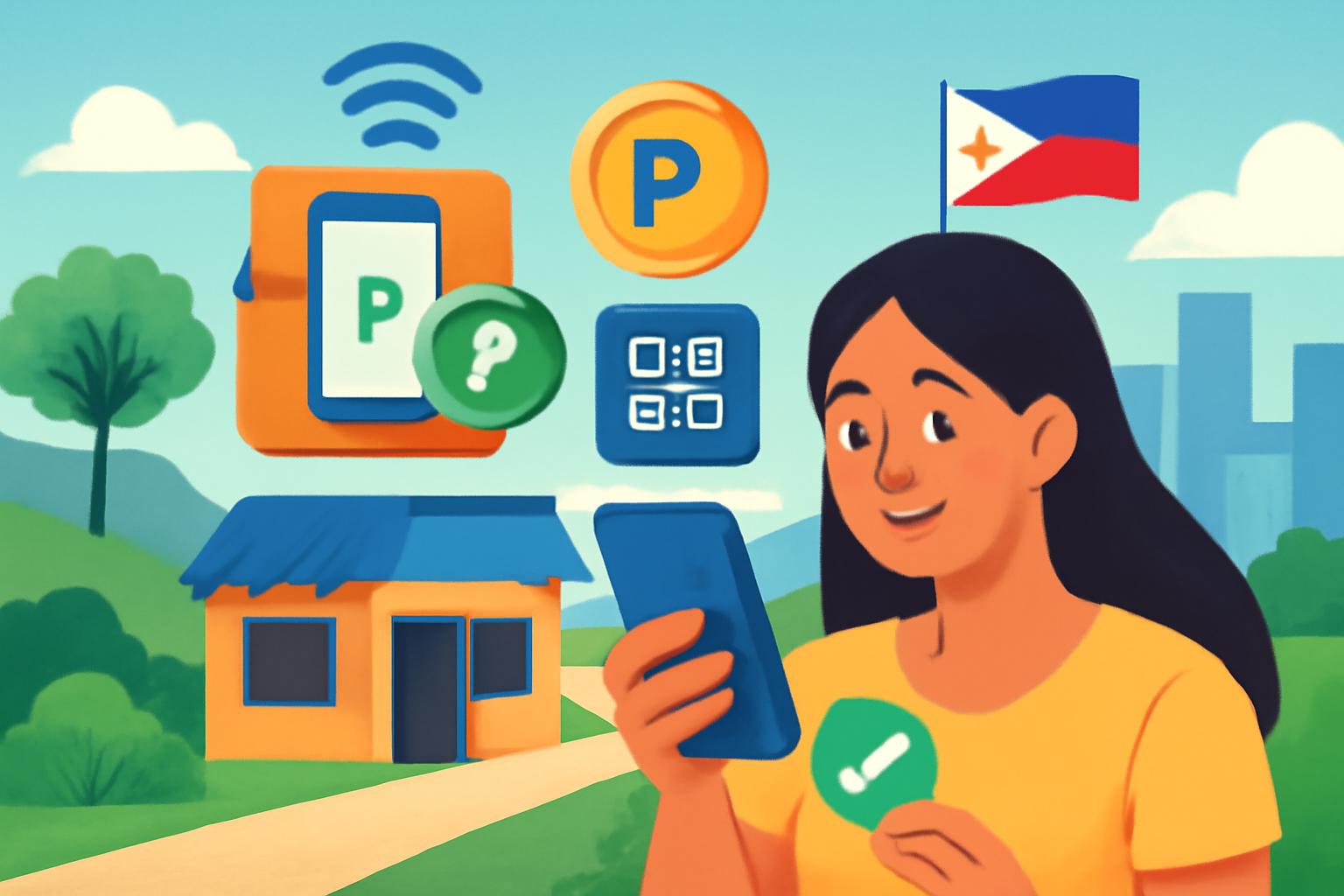

In recent years, mobile banking has emerged as one of the most powerful tools for expanding financial inclusion in the Philippines. With thousands of islands and many communities located far from traditional banking centers, the country has long struggled with unequal access to formal financial services. Mobile phones, however, are far more widespread than bank branches, creating a natural foundation for digital banking solutions that reach underserved groups.
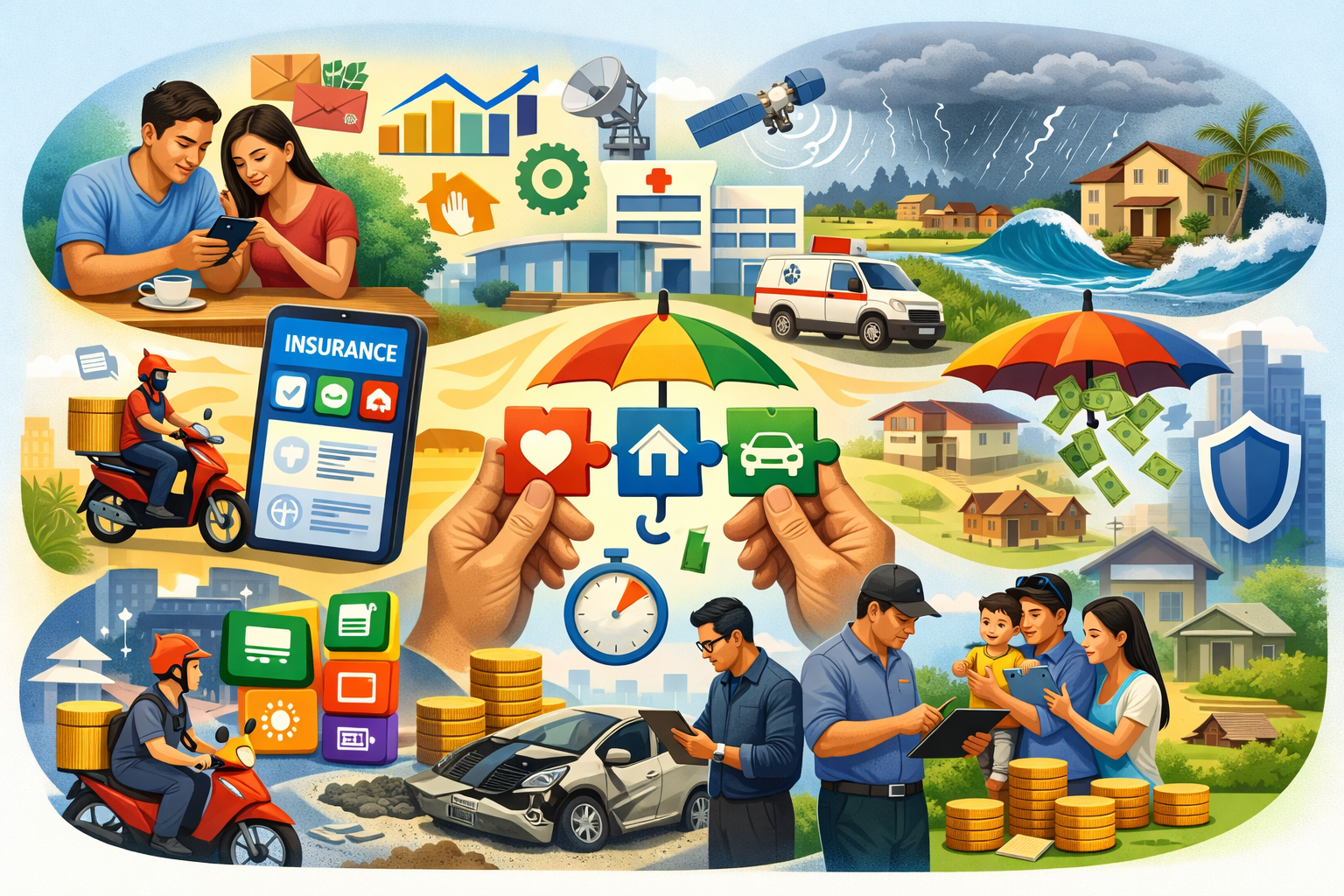
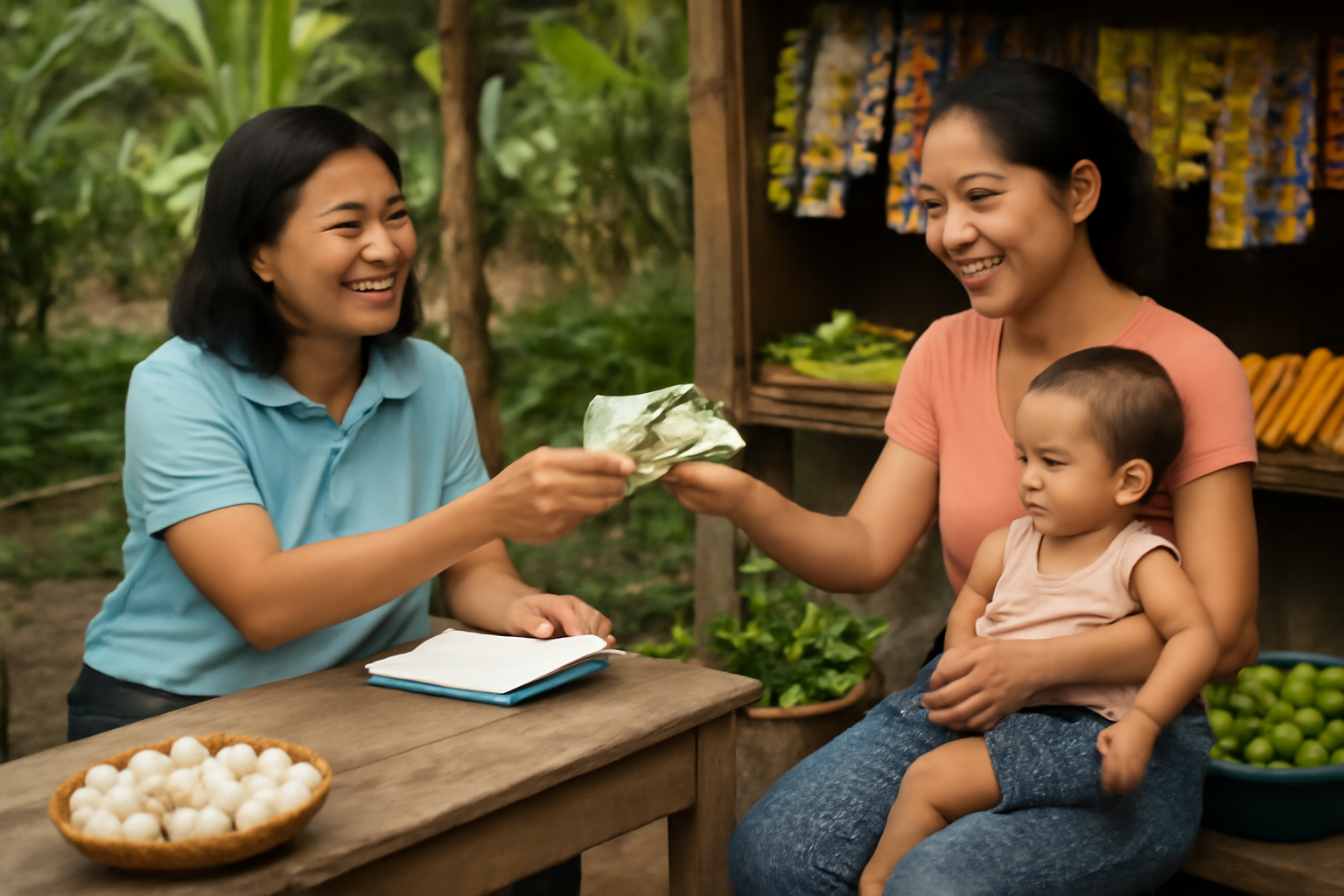
Financial inclusion is not only about having a bank account. It also involves access to useful, affordable services such as savings, credit, payments, and insurance. In the Philippines, many low-income households, informal workers, and small business owners historically relied on cash and informal lenders. This made it harder to build credit histories, keep money safe, or access emergency funds. Mobile banking apps, e-wallets, and USSD-based services now offer a way to formalize these financial behaviors using technology people already own.
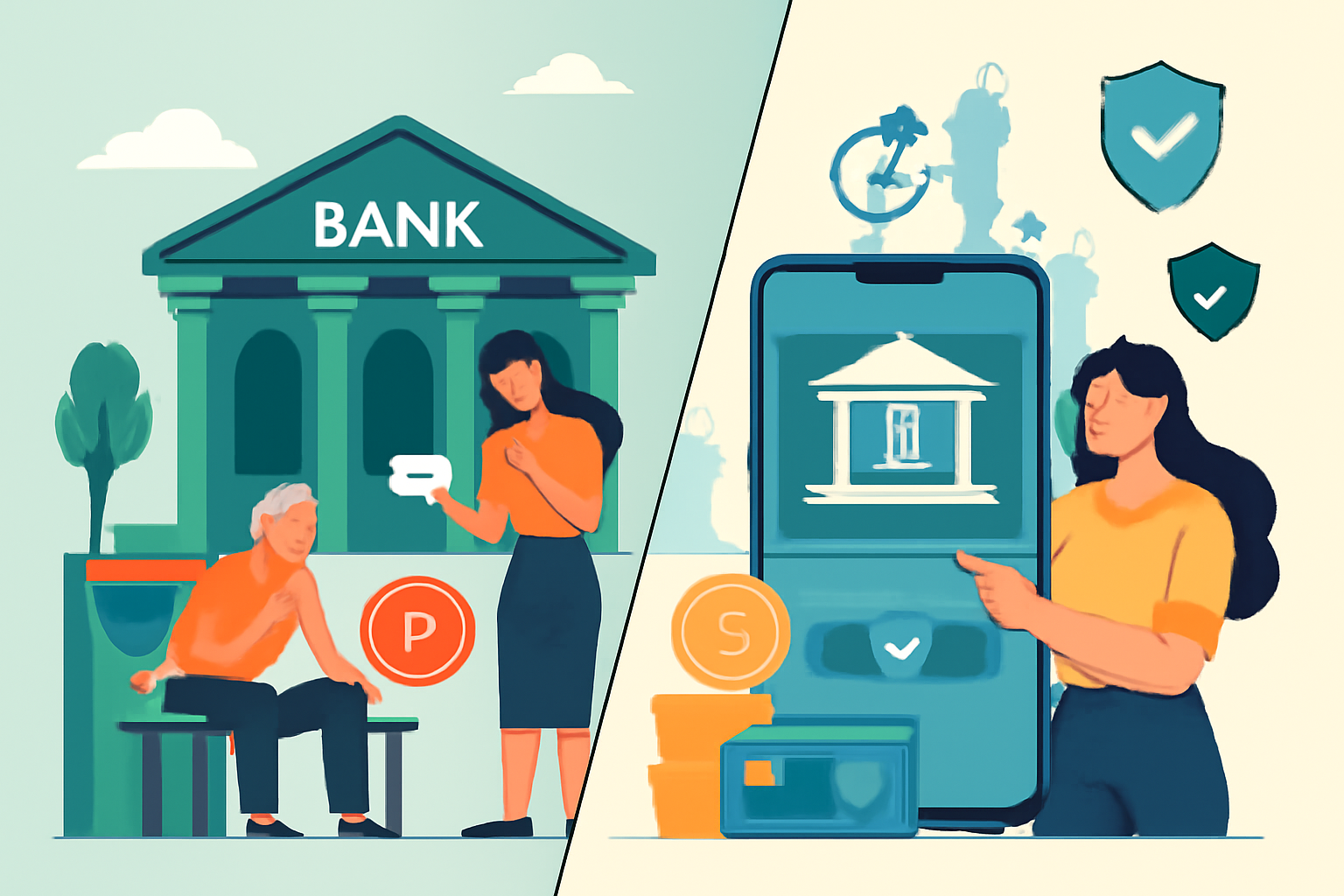
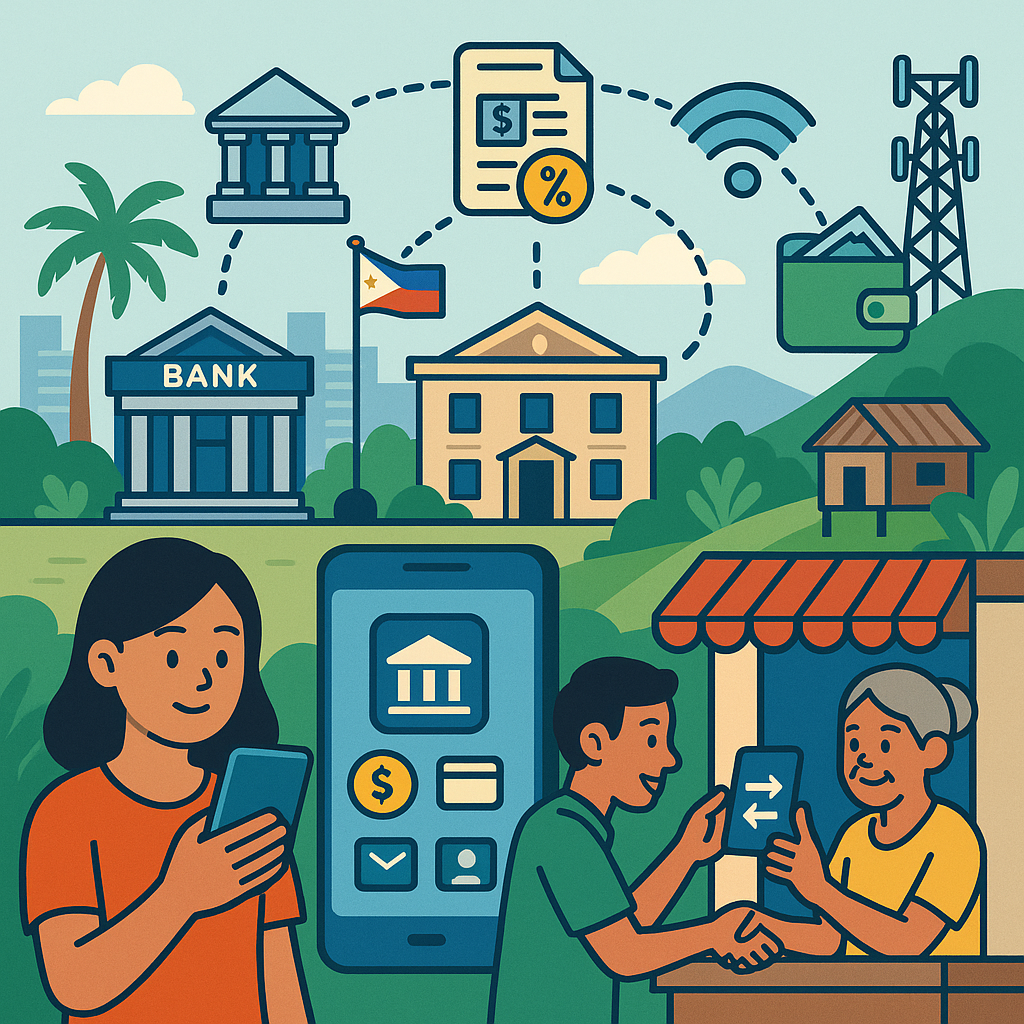
Several factors make mobile banking especially suitable for the Philippine context. Smartphone adoption has increased steadily, and even basic phones can support simple mobile money transactions. Telecom operators and banks have partnered to offer low-cost or zero-rated data for financial apps, allowing customers to check balances, transfer funds, and pay bills without traveling to a branch. This is particularly impactful for residents of rural areas, where the nearest bank can be several hours away.
Mobile banking also reduces barriers related to documentation and minimum balances. Traditional accounts often require multiple forms of identification and initial deposits that are unrealistic for low-income users. Many digital accounts, by contrast, offer simplified “basic” tiers with lower requirements, while still complying with regulations. This flexibility makes it easier for first-time users to join the formal system and gradually upgrade as their needs grow.
For micro, small, and medium enterprises, mobile banking streamlines day-to-day operations. Merchants can accept digital payments via QR codes, issue electronic receipts, and track transactions automatically. This improves transparency and can help entrepreneurs demonstrate cash flow when applying for loans. It also reduces the risks associated with handling large amounts of cash, especially in crowded urban areas or during long journeys to deposit money.
Government programs also benefit from mobile financial services. Social assistance, cash transfers, and emergency relief can be delivered more efficiently when funds are sent directly to mobile wallets or digital accounts. This approach reduces leakages, shortens waiting times, and allows beneficiaries to withdraw or spend funds at their convenience. During natural disasters or public health crises, such digital channels can be crucial for maintaining support to vulnerable populations.
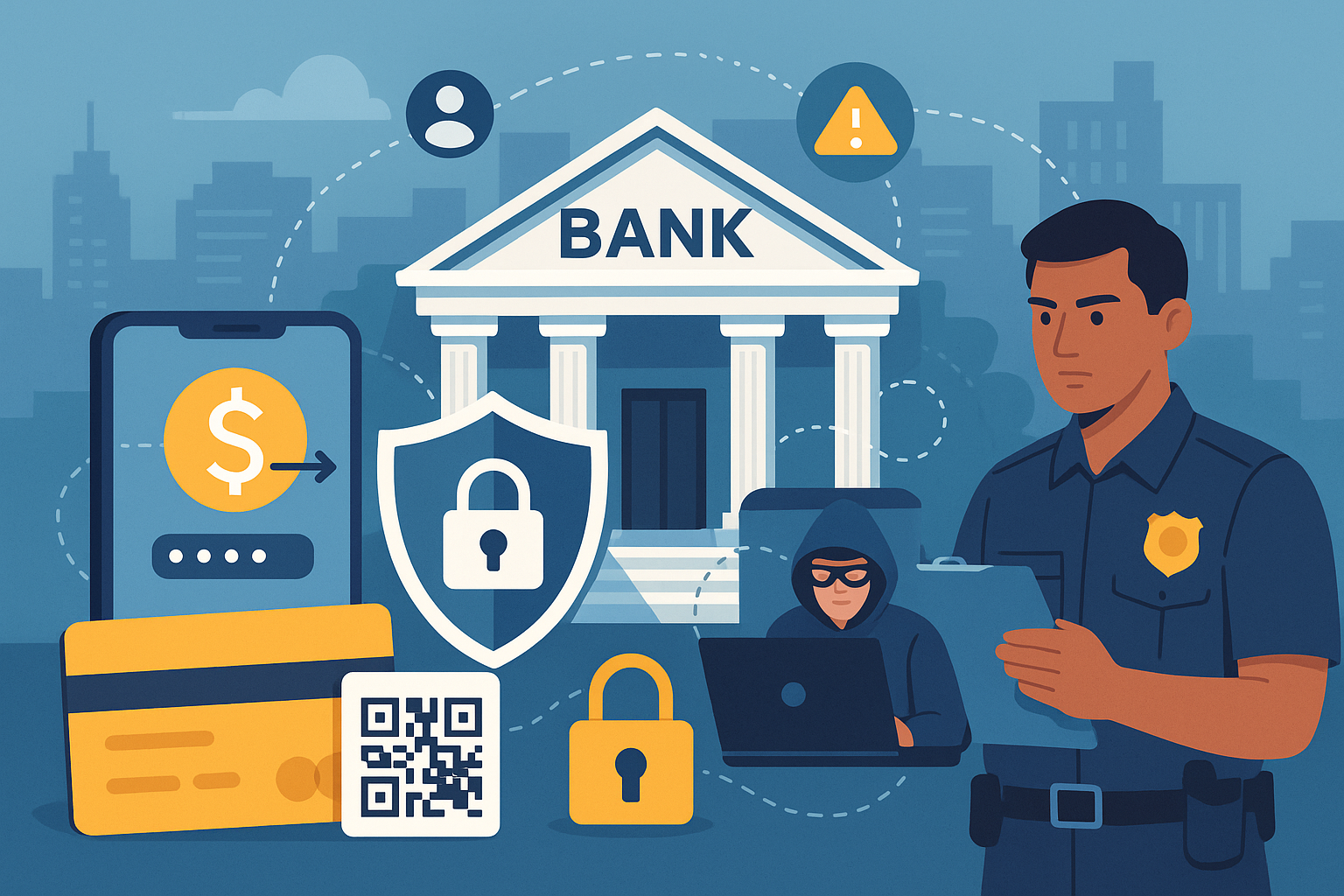
Despite its promise, mobile banking faces important challenges. Digital literacy remains uneven, and some users are wary of using apps for money due to fears of fraud or technical mistakes. Network coverage is still weak in certain remote areas, and the cost of smartphones or data can be a barrier for the poorest households. Cybersecurity, consumer protection, and clear dispute resolution mechanisms are essential to sustain trust in these services.
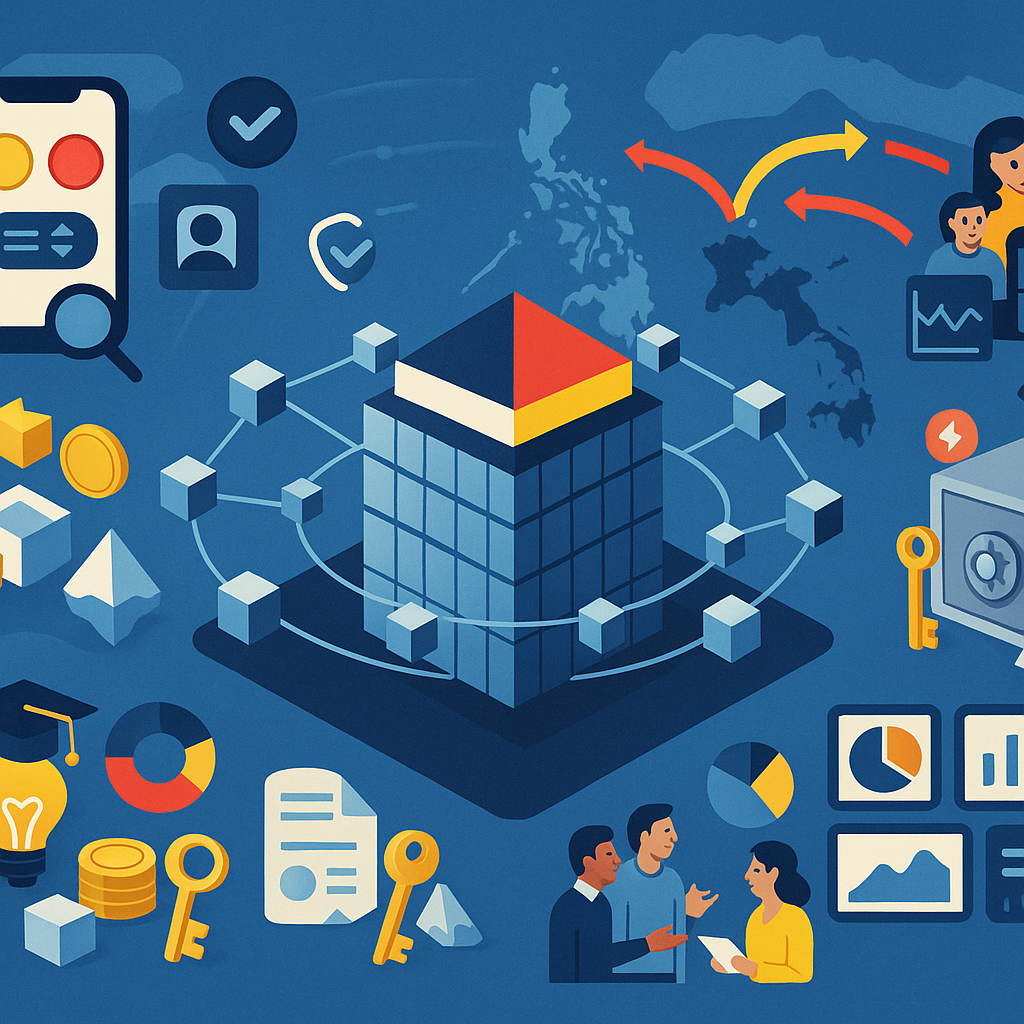
Regulators and policymakers play a central role in shaping this ecosystem. By encouraging interoperability between providers, supporting agent networks, and setting risk-based customer due diligence rules, they can help mobile banking grow in a safe and inclusive way. Combined with financial education campaigns and investment in digital infrastructure, mobile banking services have the potential to significantly accelerate financial inclusion in the Philippines and bring more citizens into a resilient, modern financial system.