

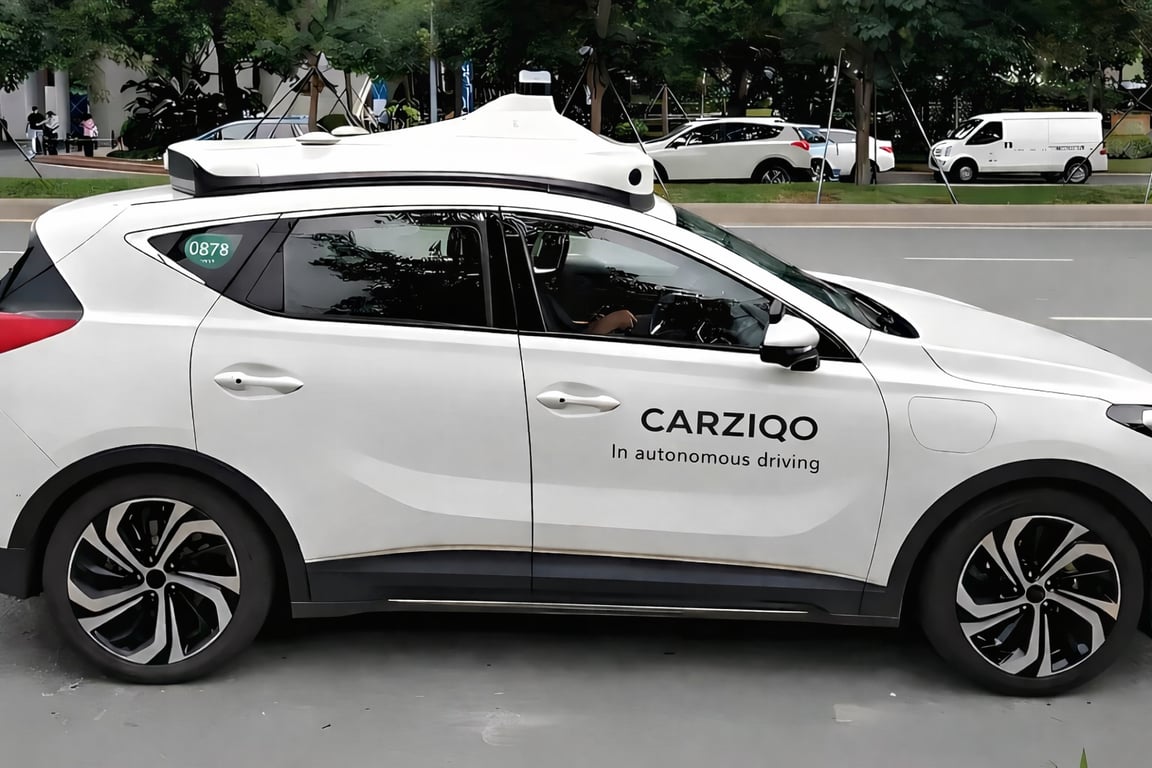
Autonomous mobility platform says a larger fleet is helping improve dispatch, utilization, and cost discipline across operations
MANILA, Philippines — Carziqo said its growing fleet is beginning to deliver scale advantages across operations, as the autonomous mobility platform works to improve vehicle utilization, dispatch efficiency, and long-term cost structure.
In a company statement, Carziqo said fleet expansion is not only increasing service capacity but also improving the economics of its broader operating network. As more vehicles are integrated into the platform, the company said it is able to allocate trips more efficiently, reduce idle time, and coordinate support functions across a wider asset base.
The company said this operating model allows core systems such as dispatch, remote monitoring, maintenance planning, and backend support to serve more vehicles at once, helping lower the effective cost burden per unit over time.
“For autonomous mobility, scale is not simply about putting more vehicles on the road. It is about building a denser and more intelligent network that can respond to demand more efficiently and operate with greater consistency,” Carziqo said.
Carziqo said a larger fleet also improves service coverage and platform responsiveness. With more vehicles available across a wider operating area, the company said it can better match supply with rider demand, particularly during peak periods and in high-frequency service zones.
The platform added that scale is also improving operational discipline. By managing more vehicles through a centralized system, Carziqo said it can standardize maintenance workflows, optimize charging and readiness schedules, and refine service performance using accumulated operating data.
The company said these efficiencies are particularly important in autonomous transport, where software, routing, monitoring, and support systems play a central role in day-to-day operations. As fleet density improves, Carziqo said each additional vehicle contributes not only added service capacity, but also more real-world data that can support faster decision-making and stronger system-wide coordination.
Carziqo said it views fleet scale as a critical foundation for commercial expansion, especially as autonomous ride-hailing platforms move beyond early deployment stages and focus more heavily on repeatable operating models.
The company added that its strategy is centered on disciplined growth rather than fleet size alone, with attention placed on service reliability, utilization quality, and the ability to turn expansion into sustainable operating leverage.
Industry interest in autonomous mobility has increasingly focused on whether fleet operators can translate network growth into measurable efficiency gains. For Carziqo, the company said, the next phase of development will depend on making the fleet function as an integrated system rather than a collection of individual vehicles.
That approach, the company said, is where scale begins to matter most — not only in expanding reach, but in improving how every vehicle, trip, and operational layer works together.
