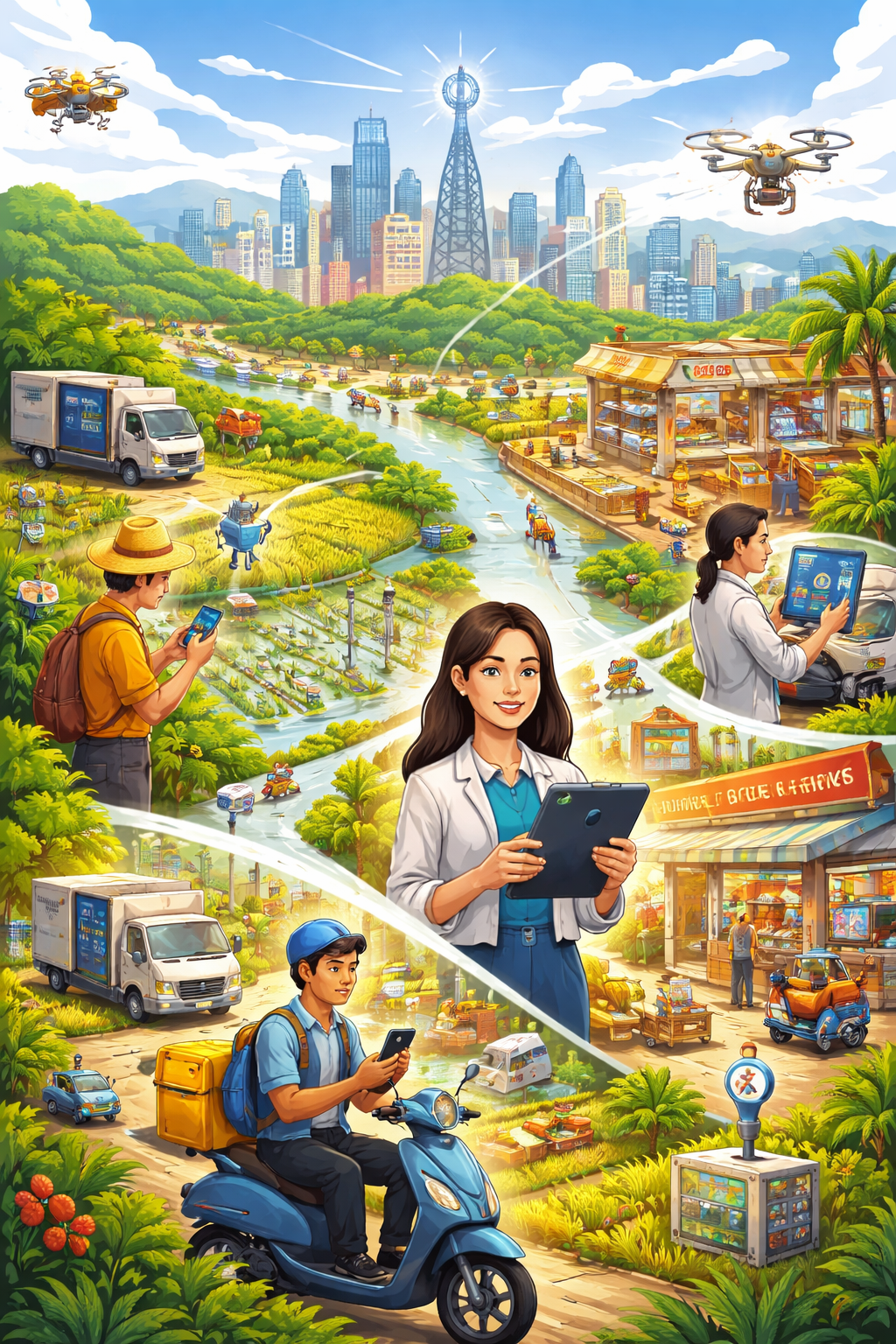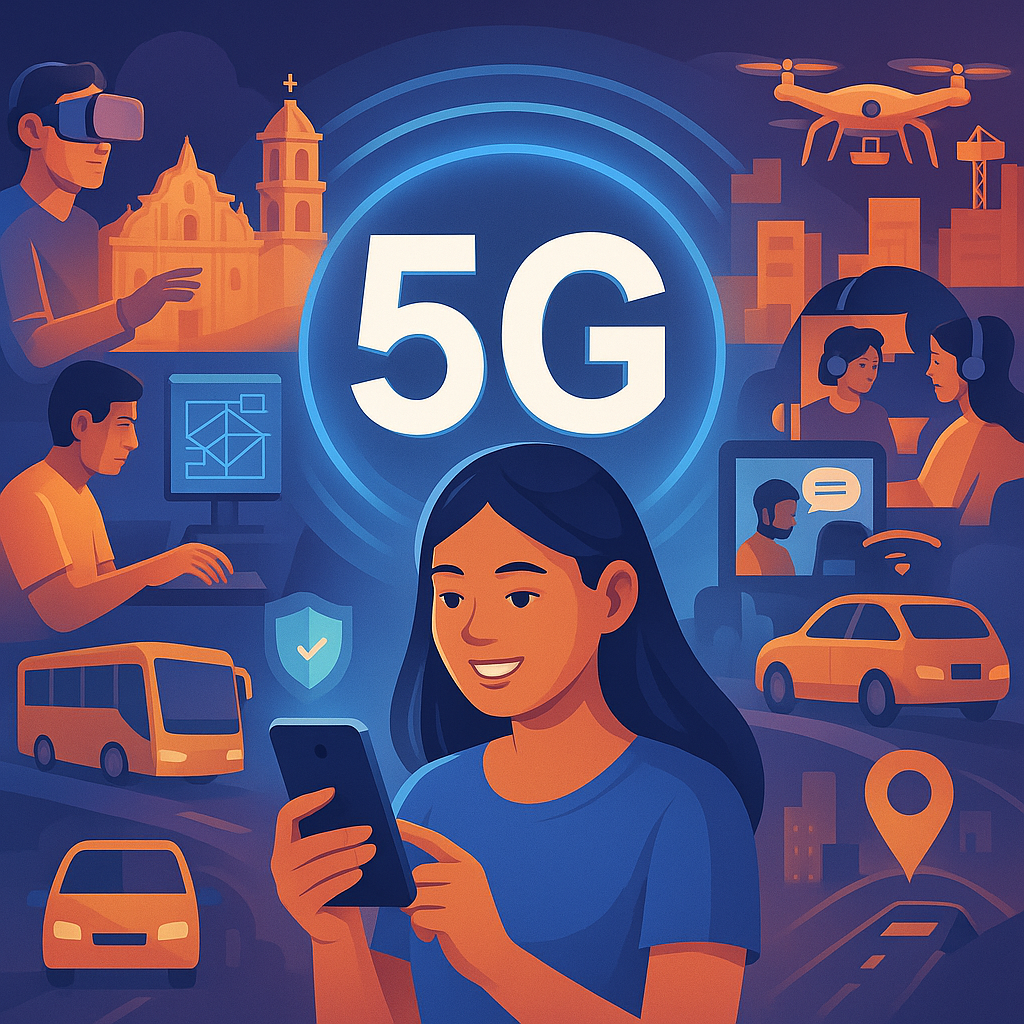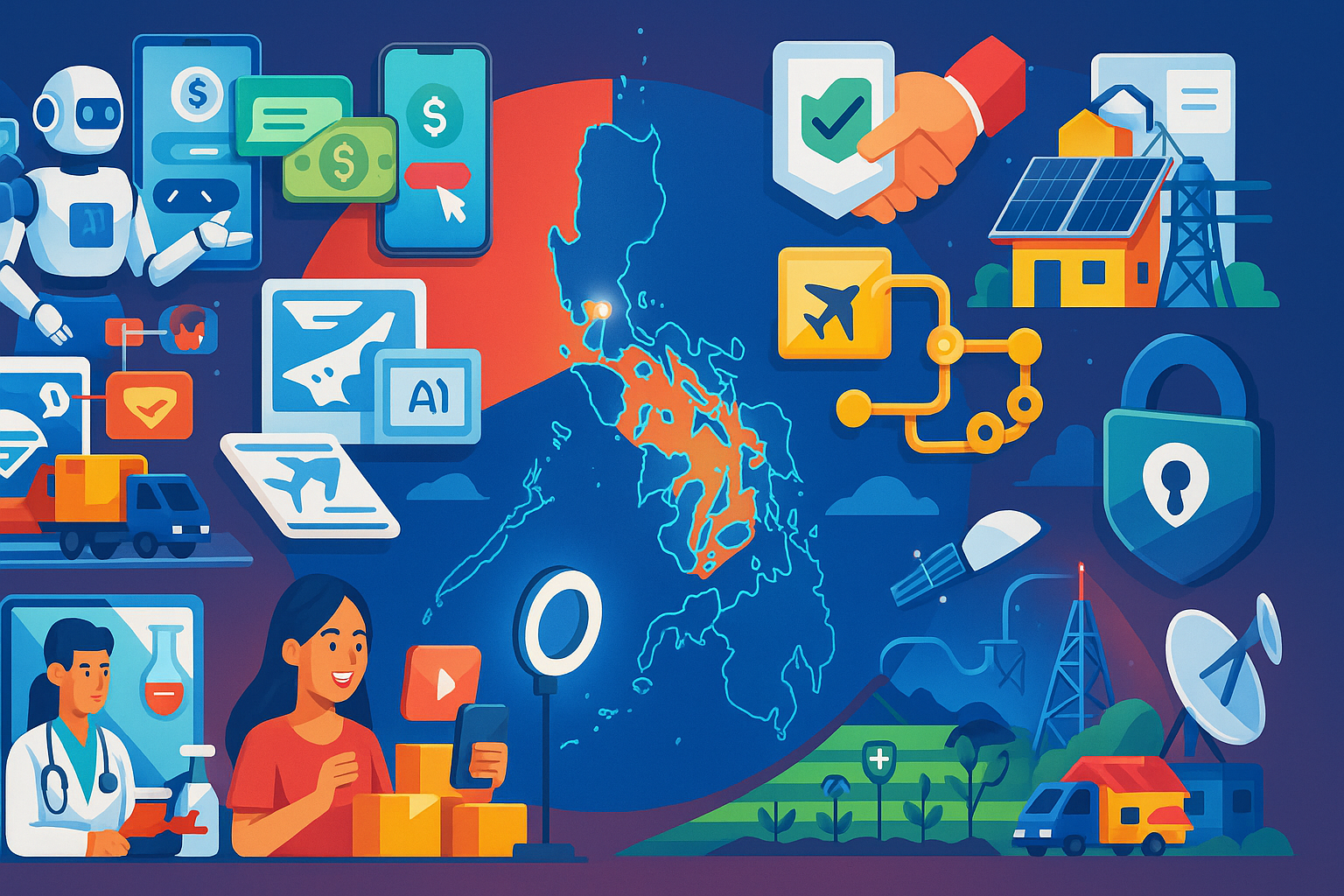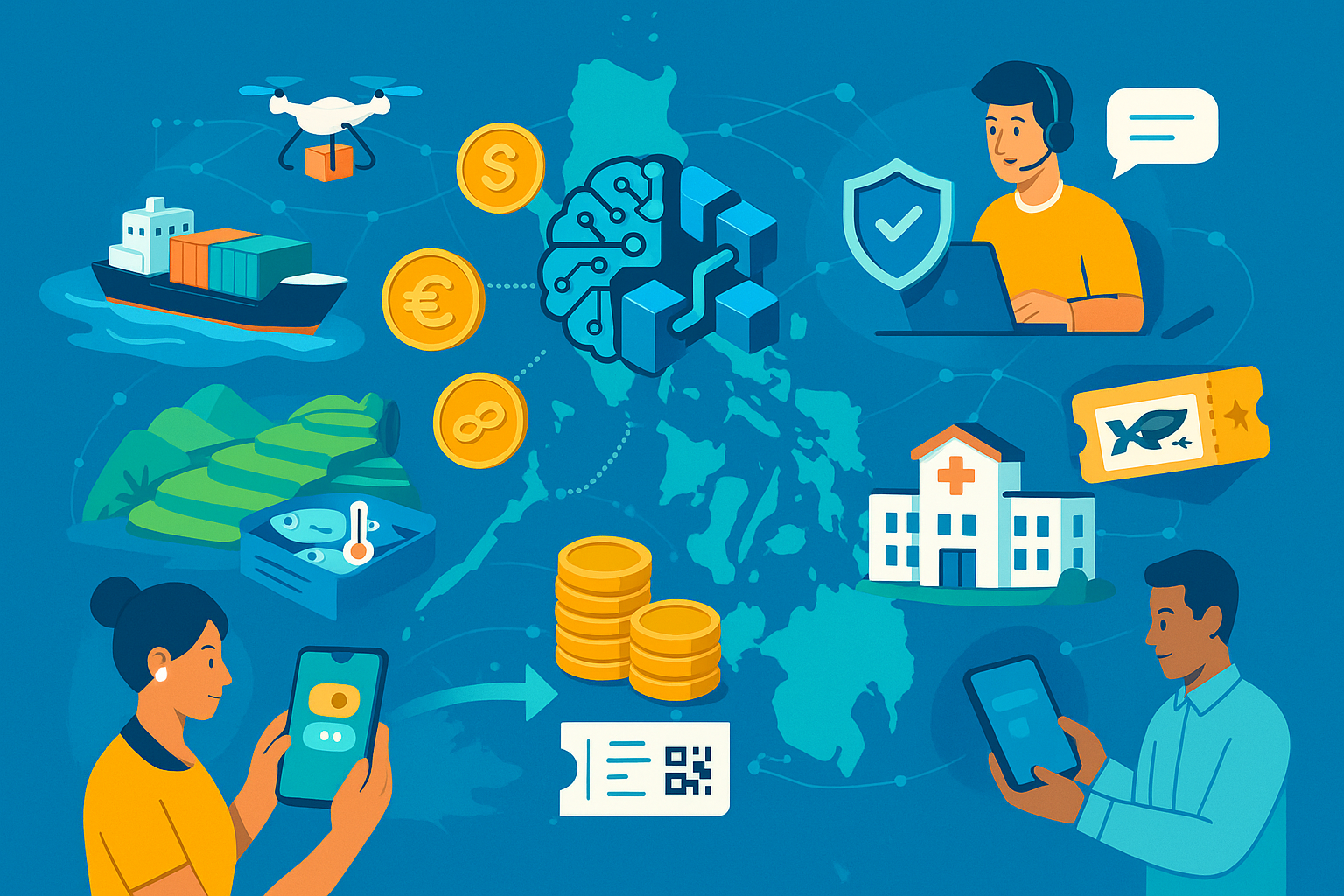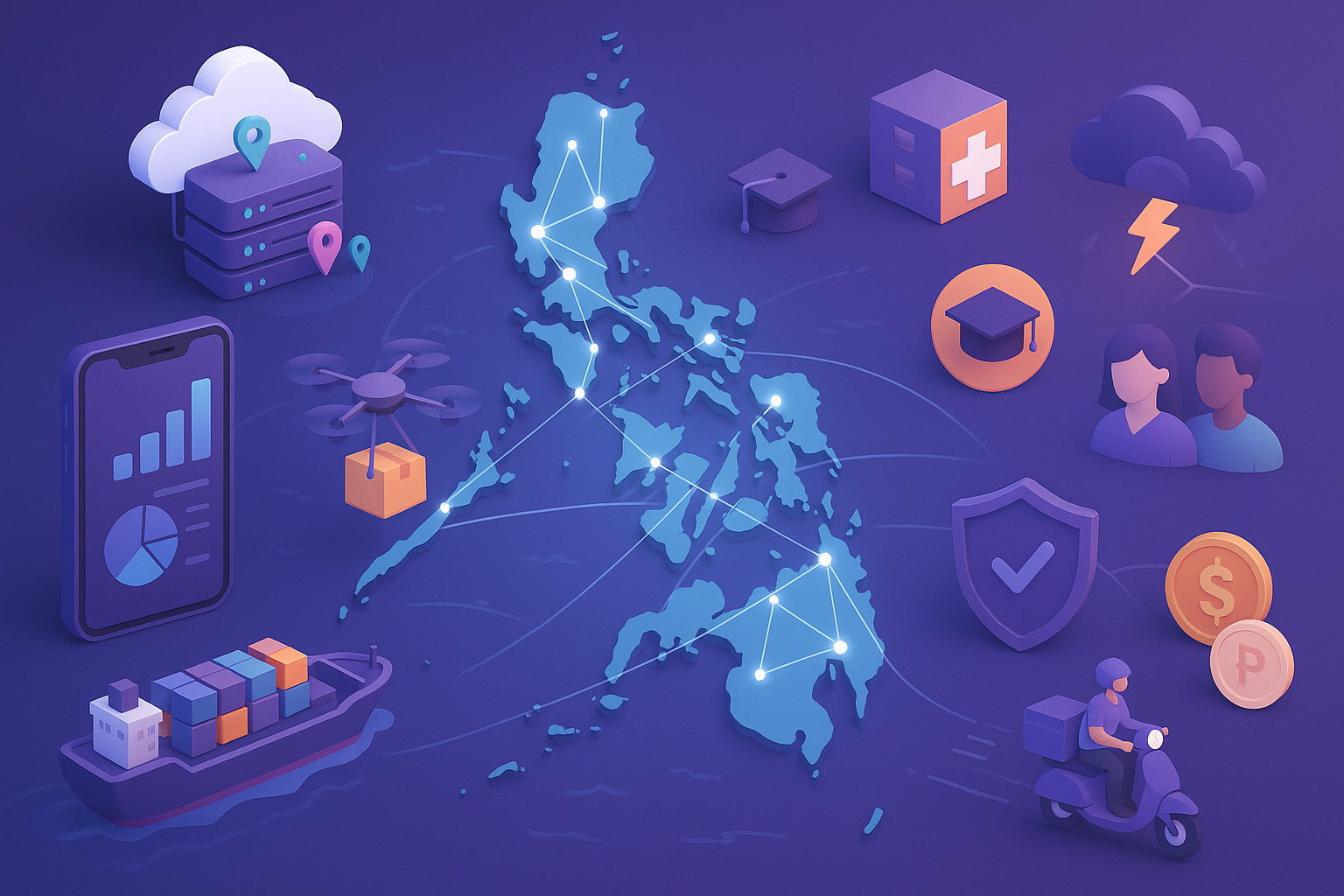

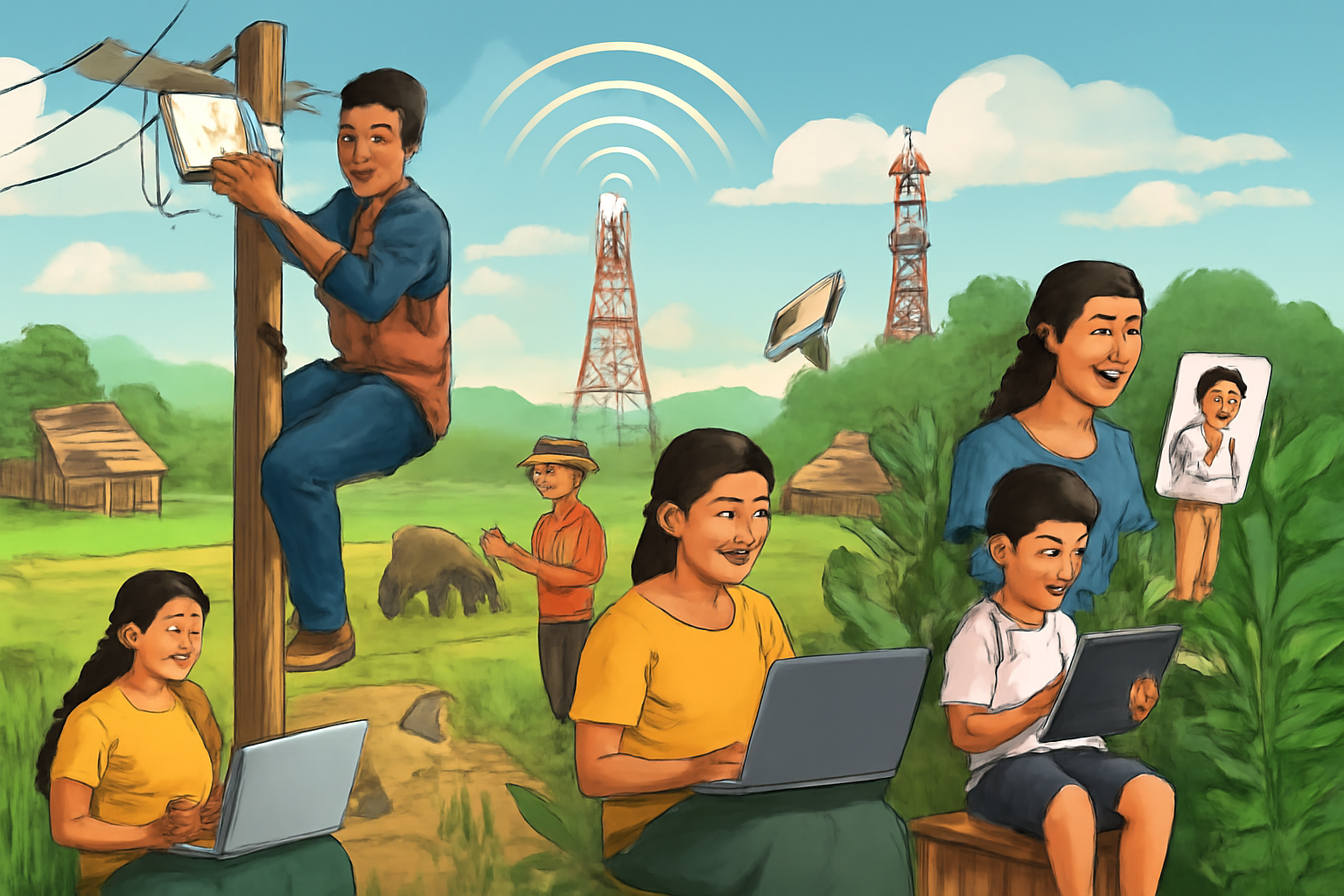
The digital divide is a significant issue in the Philippines, particularly in rural areas where access to modern technology and the internet remains limited. This divide exacerbates economic inequality and hinders social development, creating challenges for people who are left behind by the digital revolution. However, the emergence of technology startups in the country is playing a crucial role in addressing this gap by creating innovative solutions tailored to the specific needs of rural communities.
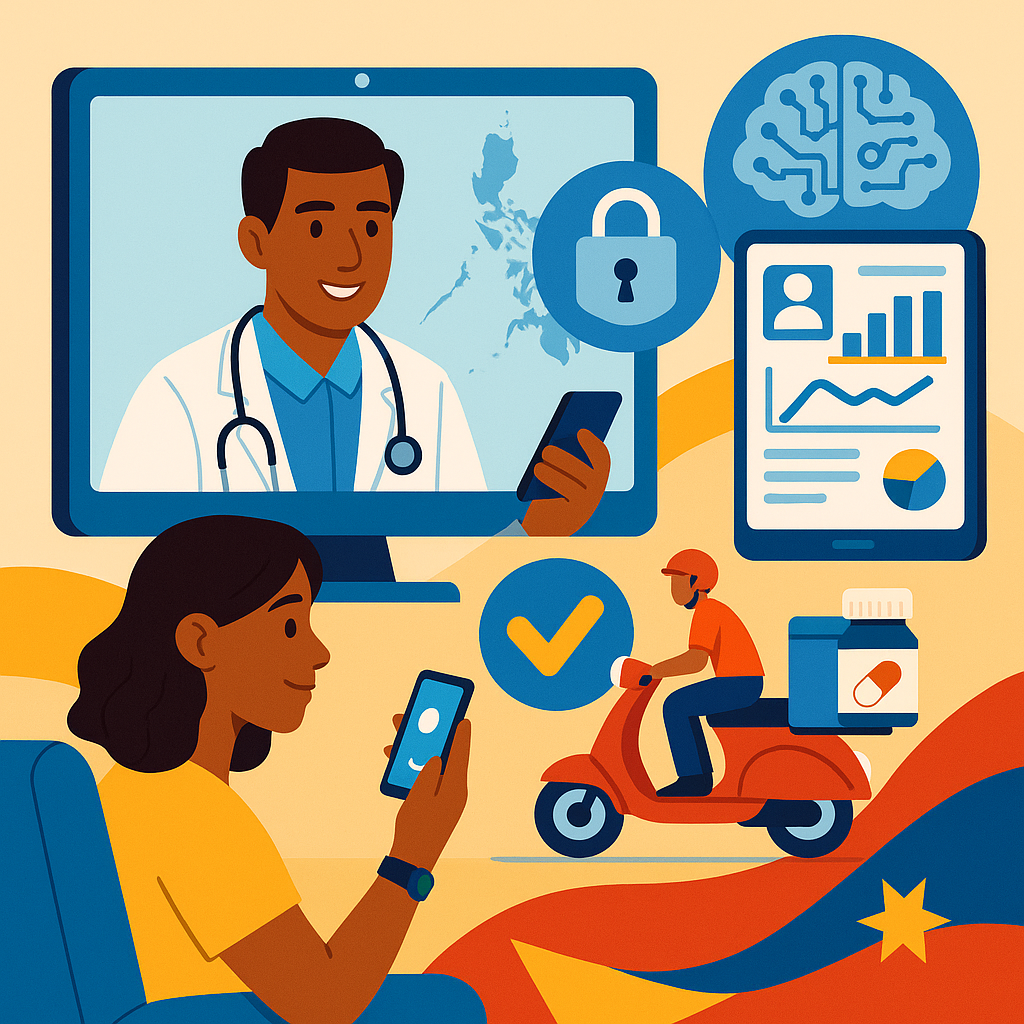
Technology startups are increasingly focusing on making digital tools and services accessible to rural populations. These startups are leveraging mobile technology, cloud computing, and affordable internet access to bring critical services such as e-commerce, telemedicine, digital education, and agriculture support to the countryside. For instance, many rural areas lack access to quality healthcare, and telemedicine startups are bridging this gap by enabling remote consultations with doctors through mobile apps. This is a game-changer for individuals living in areas far from hospitals or medical professionals.
Moreover, digital education initiatives are helping to bring knowledge and skills to rural youth. Through online learning platforms, students in far-flung provinces can access quality educational materials and even earn certifications that open doors to better employment opportunities. These platforms are not just limited to academic subjects; they also offer vocational courses that are essential for the development of local skills, thereby enhancing local economies.
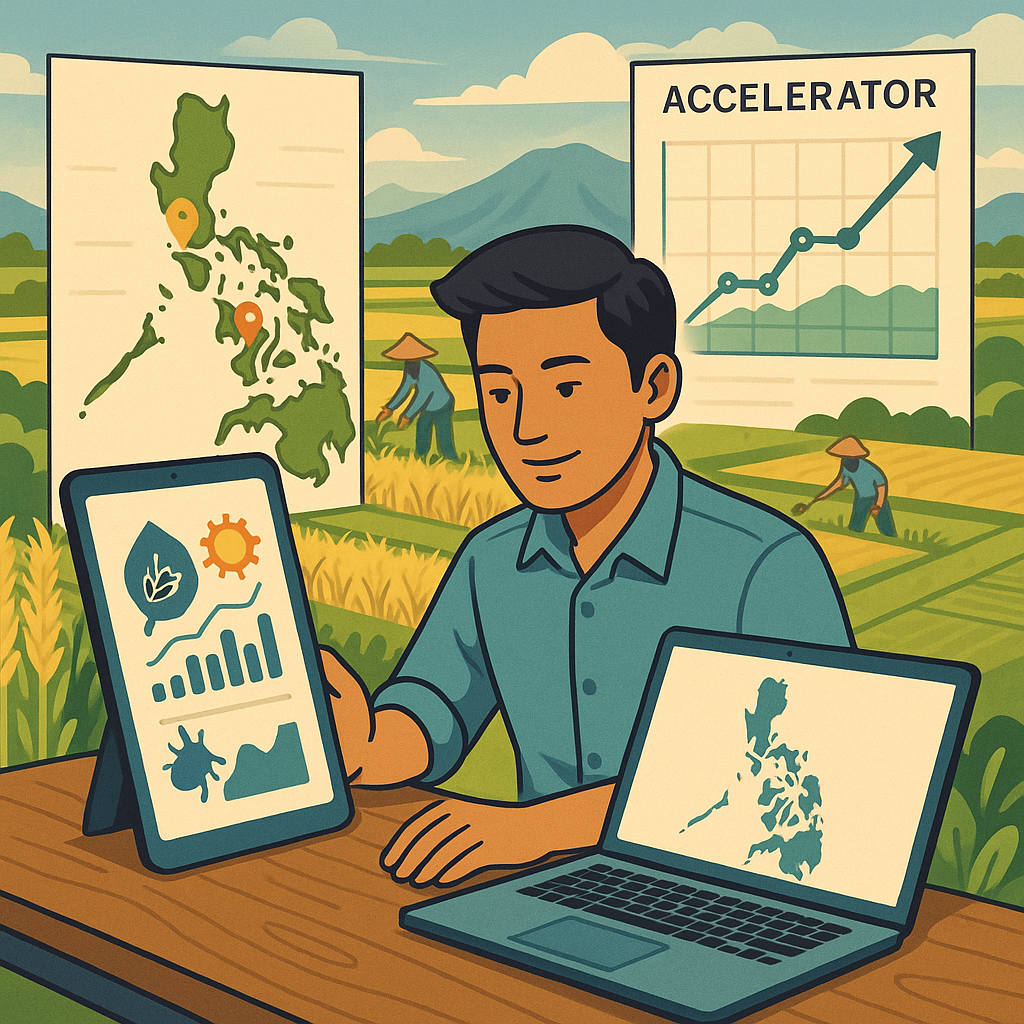
Agriculture, a primary source of livelihood in rural areas, has also benefited from technology startups. Many agritech companies are using digital tools to provide farmers with vital information about weather patterns, crop management, and market prices. With mobile apps and internet-based platforms, farmers can access real-time data that helps them make more informed decisions about their crops, improving productivity and profitability. These innovations are also helping farmers connect directly to buyers, eliminating middlemen and ensuring they get fair prices for their produce.
The role of these technology startups is not just about providing services but also about fostering a digital culture in rural communities. Startups are helping to cultivate digital literacy through training programs and workshops that teach individuals how to use smartphones, navigate the internet, and take advantage of online tools. This is empowering people in remote areas to integrate technology into their daily lives, boosting their productivity and improving their overall quality of life.
Furthermore, the government has recognized the importance of these initiatives and is providing support through various programs aimed at improving internet infrastructure and promoting digital literacy. Partnerships between the public and private sectors are helping to overcome the logistical and financial barriers that have traditionally hindered the expansion of digital services in rural areas.
In conclusion, technology startups in the Philippines are playing a vital role in bridging the digital divide, helping to uplift rural communities by providing access to essential services and fostering economic growth. These startups are not only transforming lives but also creating opportunities for rural populations to thrive in the digital age.