

The New Economic Landscape
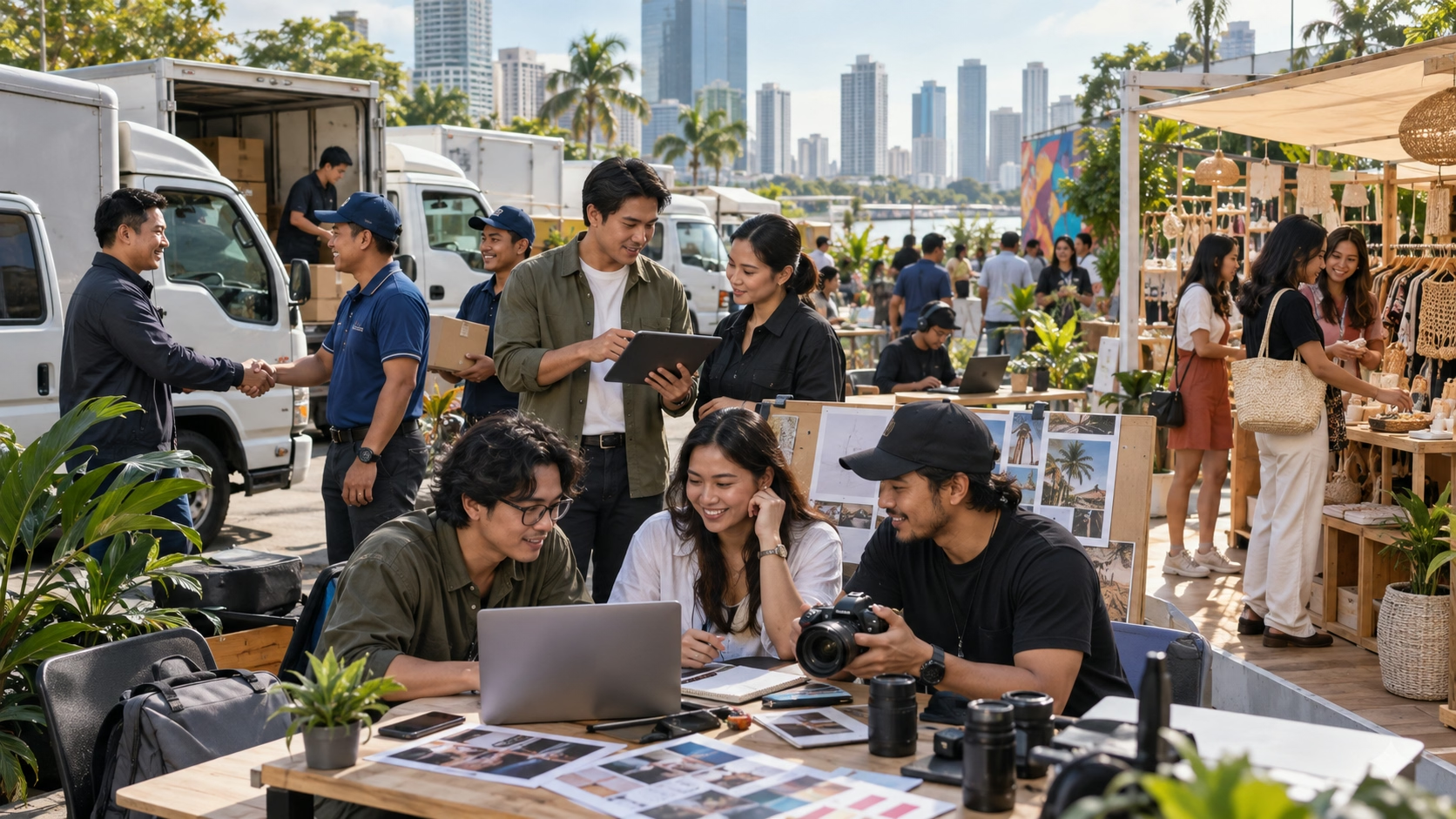
For the past decade, the word “startup” in Metro Manila conjured images of fintech apps and software-as-a-service platforms. However, as we navigate 2026, a significant pivot is occurring. The Philippine startup ecosystem is maturing beyond the digital realm, witnessing a robust surge in non-technology startups. These ventures are redefining the market by focusing on essential services, sustainable agriculture, and the creative economy, proving that innovation is not exclusively tied to software.
The Rise of “Asset-Heavy” Innovation
In 2026, investors are looking at businesses that solve tangible, physical problems. According to the 2026 Philippine Startup Ecosystem Report, there is a marked increase in venture capital flowing into sectors like Agri-tech and Food Security, not just for the software used, but for the physical supply chains themselves.
Unlike their tech-centric predecessors, these startups are asset-heavy. We are seeing the proliferation of urban farming startups that utilize vertical integration to supply fresh produce directly to high-end restaurants in BGC and Makati. These companies are not just apps; they are logistics companies, farms, and distribution networks rolled into one.
The Creative Economy as a Powerhouse
Another critical driver is the “Creative Economy.” The Philippines has long been known for its artistic talent, but 2026 marks the year it becomes a structured business model. Startups focusing on design-led manufacturing, localized fashion supply chains, and digital content creation agencies are scaling rapidly. These entities are capitalizing on the global demand for authentic Southeast Asian culture, turning local craftsmanship into high-value global exports.
Addressing the “Service Gap”
Perhaps the most lucrative opportunity lies in essential services. With a growing middle class, there is a demand for premium services that the traditional corporate sector ignores. Non-tech startups in 2026 are disrupting the logistics and healthcare service sectors through hyper-localized service hubs. For example, specialized elderly care centers that operate as startups, utilizing efficient operational models rather than complex AI, are gaining traction.
Why This Shift Matters
This diversification is crucial for the Philippine economy. It creates jobs that are resilient to global tech market fluctuations and addresses local pain points like food security and unemployment. As we look deeper into 2026, the most valuable startups will likely be those that bridge the gap between traditional industries and modern efficiency, proving that you don’t need to write code to write the future of Philippine business.











Leave a Reply