


Ayala Corporation is no longer just a property developer, bank owner, or telecommunications shareholder. In 2026, the Philippines’ oldest conglomerate is repositioning itself as an integrated digital infrastructure player, and its most ambitious move yet is unfolding in Makati—the country’s premier financial district.
The Tokyo MOUs That Signal a Strategic Pivot
On May 28, 2026, Ayala Group signed a series of strategic memoranda of understanding with leading Japanese partners in Tokyo, witnessed by President Ferdinand R. Marcos Jr. The agreements bring together Ayala Corporation, Globe Telecom, Mynt—the parent company of GCash—Mitsubishi Corporation, MUFG, and KDDI to pursue what Ayala describes as high-impact collaboration across intelligent cities, digital finance, and data-driven ecosystems.
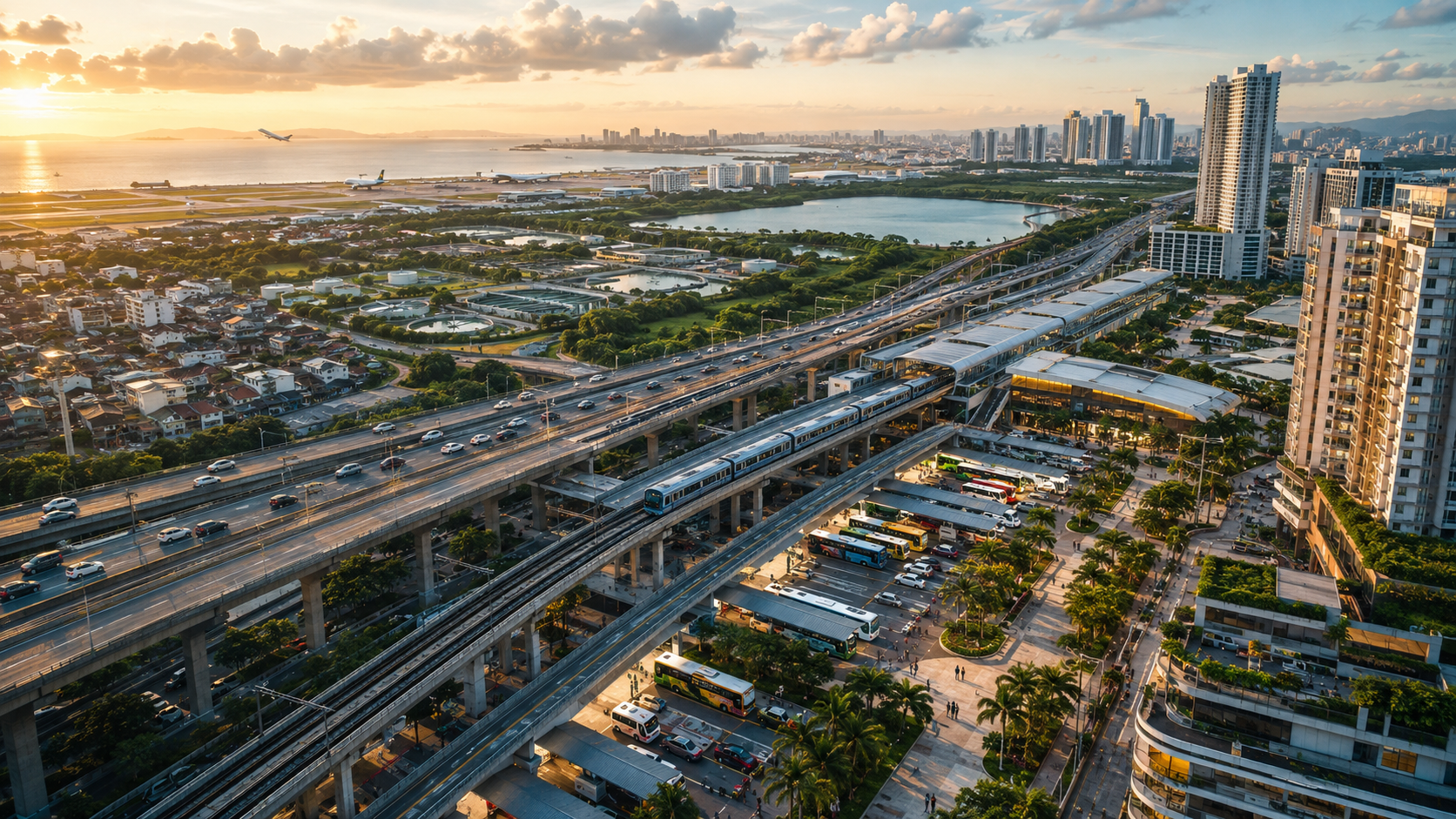
The centerpiece is an “Intelligent City” initiative that will pilot in Makati City. The partners will explore data-driven urban platforms using artificial intelligence, Internet of Things, and advanced connectivity, supported by Globe’s network infrastructure. The scope covers mobility, retail, energy, and infrastructure—sectors where Ayala already has deep operational exposure through Ayala Land and Globe.
From Property to Platform
What makes this different from a typical smart-city pilot is the conglomerate’s vertical integration. Ayala Land controls large swaths of Makati’s commercial real estate. Globe owns the connectivity layer. Mynt operates GCash, the country’s dominant e-wallet. Mitsubishi and KDDI bring Japanese smart-city expertise and cross-border capital. MUFG adds financial muscle for digital finance expansion.
The second agreement focuses on “Smart Life” digital services developed by Ayala, Mynt, and Mitsubishi, covering rewards programs, ticketing, online payment platforms, and digital marketing solutions. A third track leverages Ayala, MUFG, and Mitsubishi to expand financial inclusion, deepen ecosystem integration, and enable cross-border digital finance opportunities.
Cezar P. Consing, Ayala Corporation President and CEO, framed the partnerships as nation-building: “We are creating more connected cities, more inclusive financial systems, and more opportunities for Filipinos to participate in and benefit from the digital economy”.
The Conglomerate Advantage—and the Execution Risk
Ayala’s digital ecosystem strategy rests on a simple but powerful logic: customers who live in Ayala Land developments, use Globe connectivity, pay through GCash, and bank with BPI can be served across multiple touchpoints. The intelligent city initiative adds a physical-digital layer—sensors, mobility platforms, and data analytics—that could make the conglomerate’s urban footprint a living laboratory for digital services.
The execution challenge is equally clear. Smart-city projects globally have struggled with data governance, interoperability, and commercial viability. Ayala must coordinate six partners with different incentives, regulatory frameworks, and technology stacks. The 2026 timeline is early-stage—MOUs, not binding construction contracts—but the direction is unmistakable. Ayala is betting that its century-old portfolio can be rewired into a platform business, and Makati is the test bed.







Leave a Reply