

Corporate social responsibility in the Philippines is evolving beyond traditional donations and one-time outreach activities. Large companies are increasingly connecting their social programs with long-term national challenges, including unequal access to education, rural poverty, food insecurity, disaster vulnerability, and the digital divide.
This approach is particularly relevant in a country where communities regularly face typhoons, floods, livelihood disruptions, and uneven access to essential services. Companies with established networks, financial resources, logistics systems, and technical expertise can often respond faster than smaller organizations operating independently.
Why CSR Has Become Strategically Important
For many Philippine corporations, CSR is no longer treated as a separate charitable activity. It is increasingly integrated into sustainability strategies, employee engagement, supply-chain development, and environmental management.
An effective CSR program creates measurable value for communities while supporting responsible business growth. Education programs can help develop future workers. Farmer-development initiatives can strengthen local supply chains. Digital-literacy projects can expand participation in the online economy.
Ayala Corporation: Education and Community Development
Ayala Corporation and its affiliated foundations have supported programs related to education, youth leadership, community development, and social entrepreneurship.
One notable strength of the Ayala model is its ability to connect different businesses—including telecommunications, banking, property development, healthcare, and infrastructure—to broader sustainability priorities. This creates opportunities for CSR programs to benefit from the expertise of multiple subsidiaries rather than operating as isolated charity projects.
Information about the group’s sustainability direction can be reviewed through the official Ayala sustainability platform.
SM Group: Scholarships, Healthcare, and Disaster Support
SM Foundation is widely associated with college scholarships, school-building projects, medical missions, and community-based health services. Its programs are especially relevant to low-income families who may struggle to afford higher education or regular medical care.
The company’s nationwide network of malls also gives it a practical advantage during emergencies. Commercial spaces can serve as collection points, coordination centers, or temporary support locations when disasters affect nearby communities.
Jollibee Group: Strengthening Farmers and Food Security
The Jollibee Group Foundation has developed initiatives that connect smallholder farmers with institutional buyers. Its Farmer Entrepreneurship Program is designed to help farmers improve production planning, business skills, quality standards, and market access.
This model is more sustainable than a purely donation-based approach because participating farmers gain opportunities to become reliable suppliers.
San Miguel Corporation: Infrastructure and Community Resilience
San Miguel Corporation supports programs involving livelihood development, environmental protection, disaster response, housing assistance, and community infrastructure. Its scale allows the company to mobilize products, transportation resources, engineering expertise, and employee volunteers.
However, large infrastructure-linked companies are also expected to demonstrate transparency, environmental accountability, and meaningful consultation with affected communities.
PLDT and Smart: Digital Inclusion
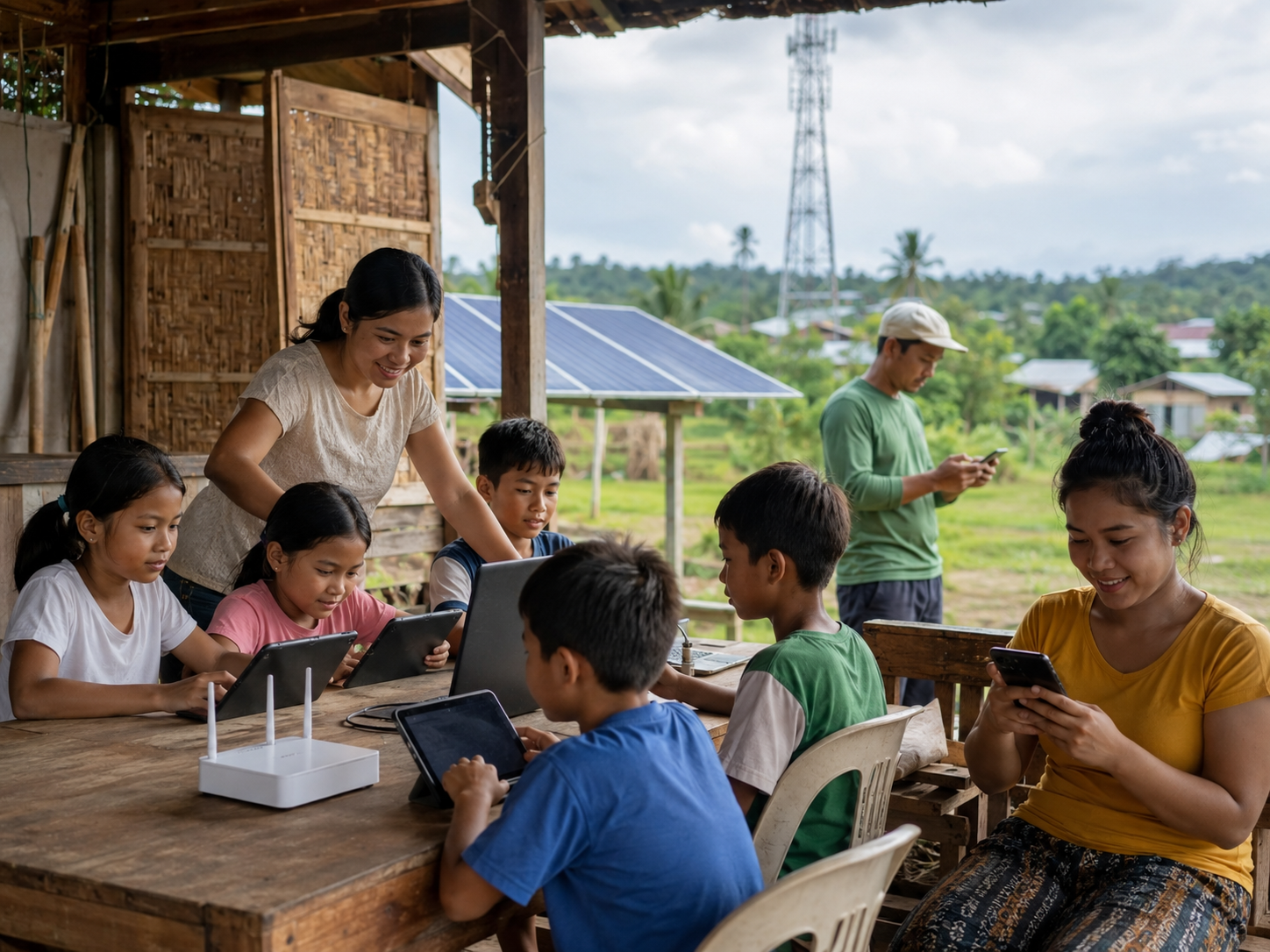
PLDT and Smart have focused parts of their social-impact strategy on connectivity, digital education, online safety, and disaster communications. Programs that provide devices, learning materials, and connectivity can be especially valuable in geographically isolated areas.
What Makes a Philippine CSR Program Credible?
Strong CSR programs are not measured only by the amount of money donated. Companies must disclose who benefited, how projects were selected, what outcomes were achieved, and whether communities can sustain the results.
The most credible Philippine CSR initiatives combine funding with technical expertise, local partnerships, measurable targets, and public reporting. As stakeholder expectations rise, businesses that demonstrate authentic and accountable social impact are more likely to earn long-term public trust.







Leave a Reply