

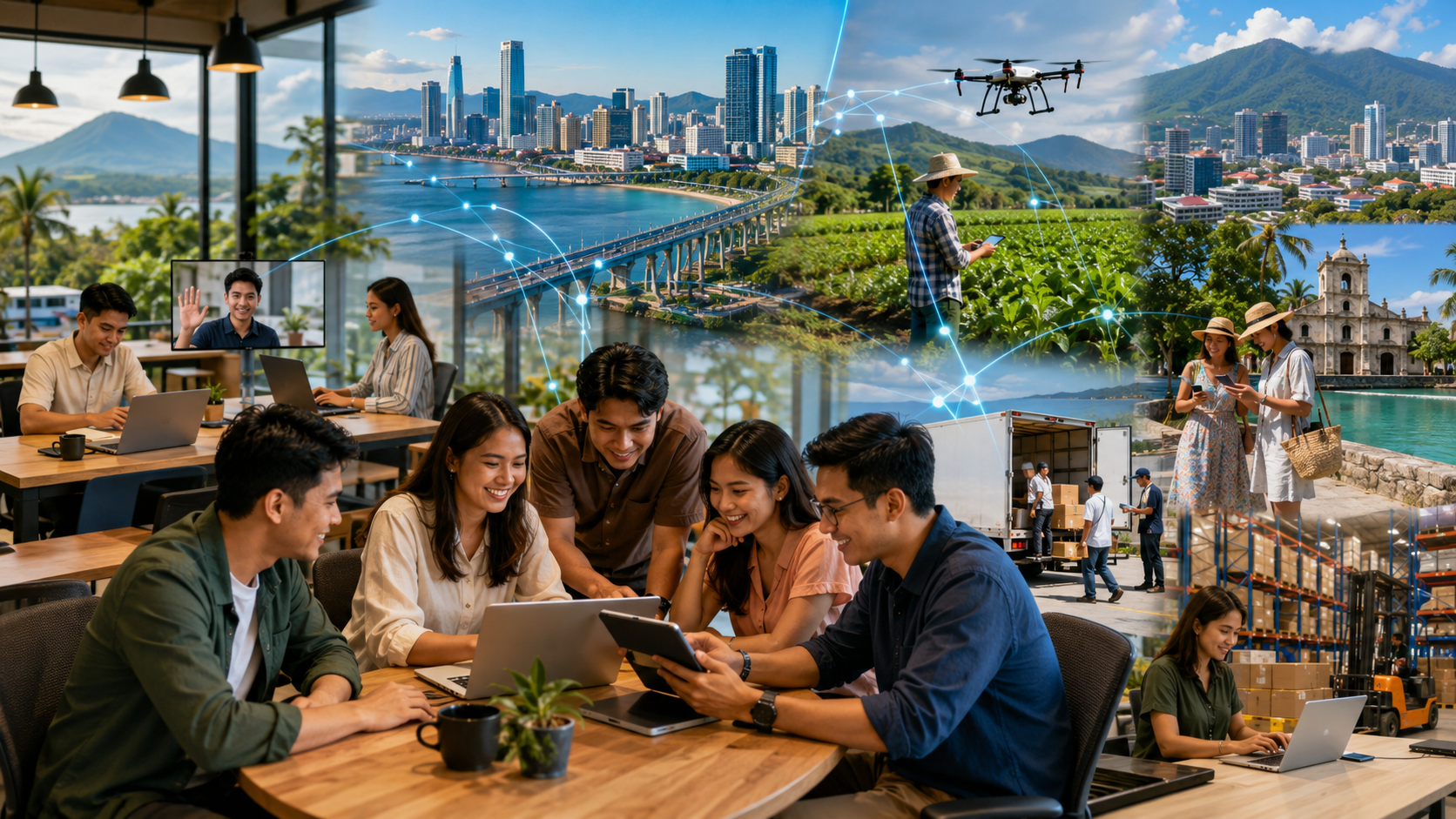
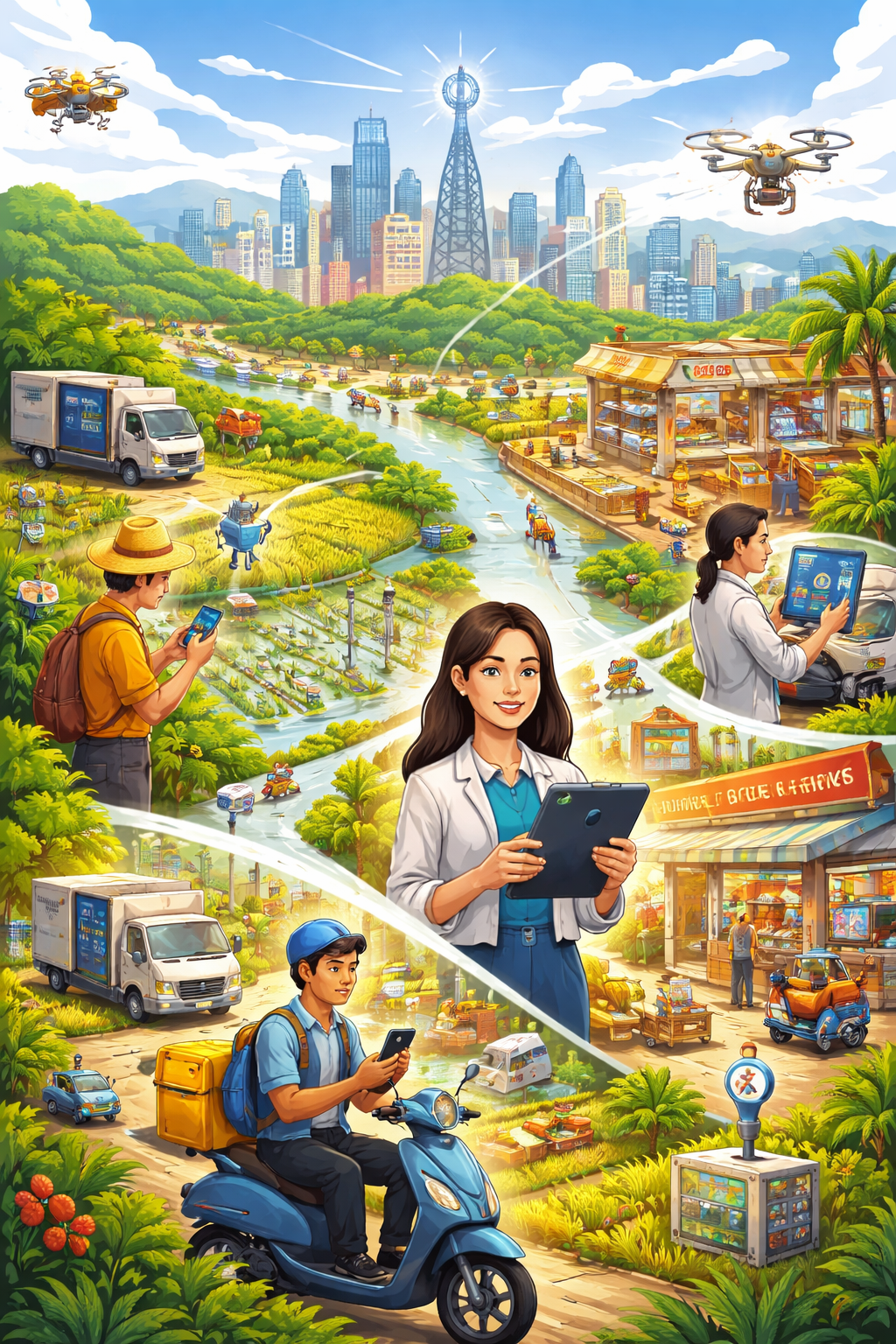
The Fourth Industrial Revolution is changing how technology startups in the Philippines develop products, attract customers, and compete across Southeast Asia. Artificial intelligence, cloud computing, big-data analytics, automation, and connected digital platforms are allowing young companies to operate with capabilities that were once available only to large corporations.
For Philippine entrepreneurs, Industry 4.0 is not simply a transition toward more advanced machines. It represents a broader economic shift in which information, software, and real-time data become essential business assets. This transformation is particularly significant in a country characterized by a young population, widespread smartphone use, an established business-process-outsourcing sector, and persistent gaps in financial and logistical services.
Cloud Technology Is Lowering Startup Barriers
Cloud computing has substantially reduced the cost of launching a technology company. Startups no longer need to purchase expensive servers or build large internal information-technology departments before releasing a product.
Through cloud-based infrastructure, Philippine founders can test applications, store customer information, process transactions, and expand their services according to demand. A startup serving several hundred users can gradually increase its computing capacity as the business grows rather than making a large investment at the beginning.
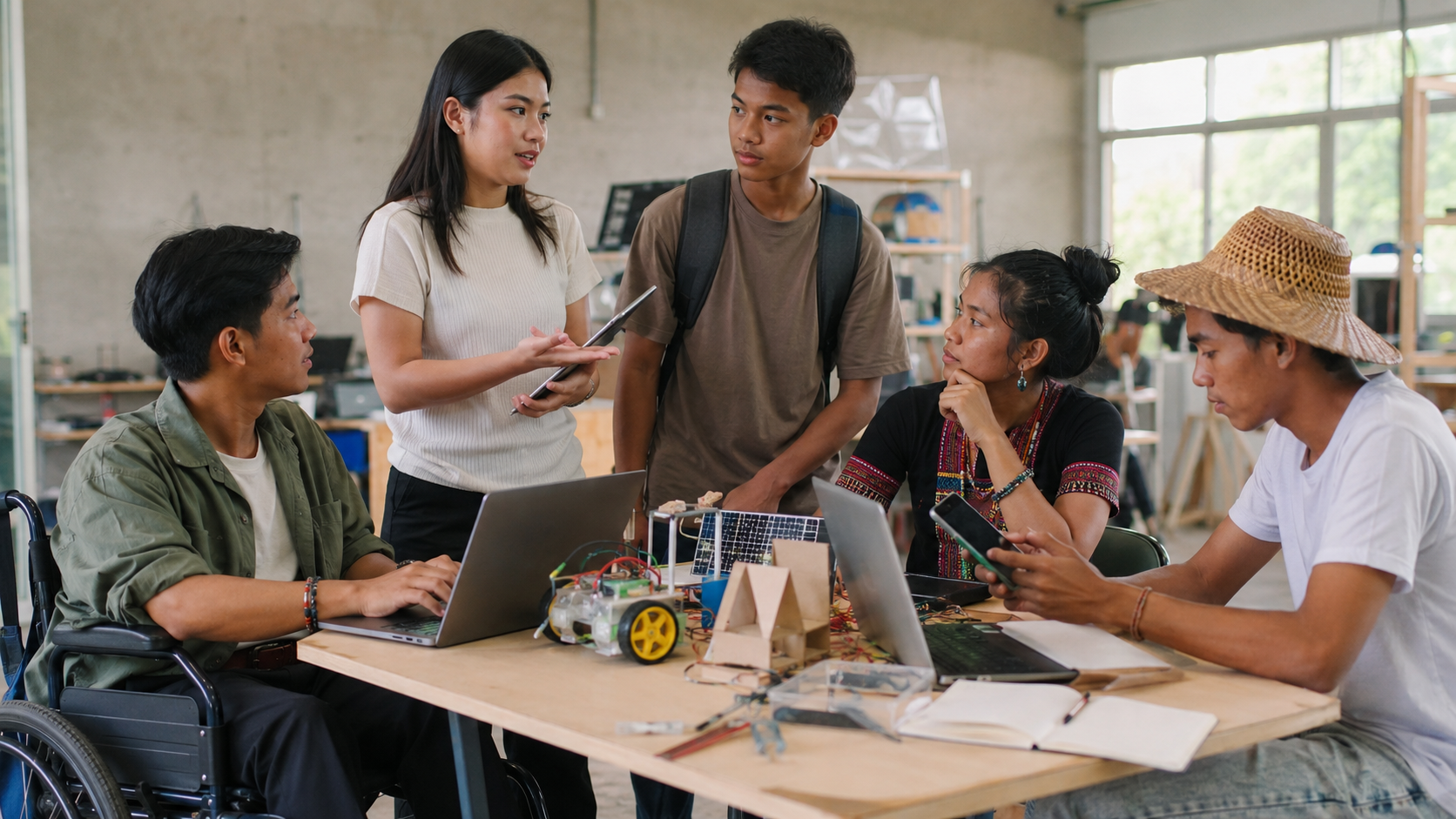
This model has encouraged the development of software-as-a-service companies serving retailers, restaurants, human-resources departments, logistics providers, and small businesses. It has also made remote collaboration easier, enabling startups to recruit engineers and specialists beyond Metro Manila.
Artificial Intelligence Is Creating New Business Models
Artificial intelligence is becoming a practical tool rather than an experimental technology. Philippine startups are using AI-powered systems for customer support, fraud detection, credit assessment, marketing automation, demand forecasting, and language processing.
Fintech and alternative credit scoring
Financial-technology companies can analyze transaction histories, mobile activity, and business-performance data to evaluate customers who may not possess conventional credit records. This approach can expand access to financing for microenterprises and independent workers, although startups must manage data privacy and algorithmic bias carefully.
Retail and operational intelligence
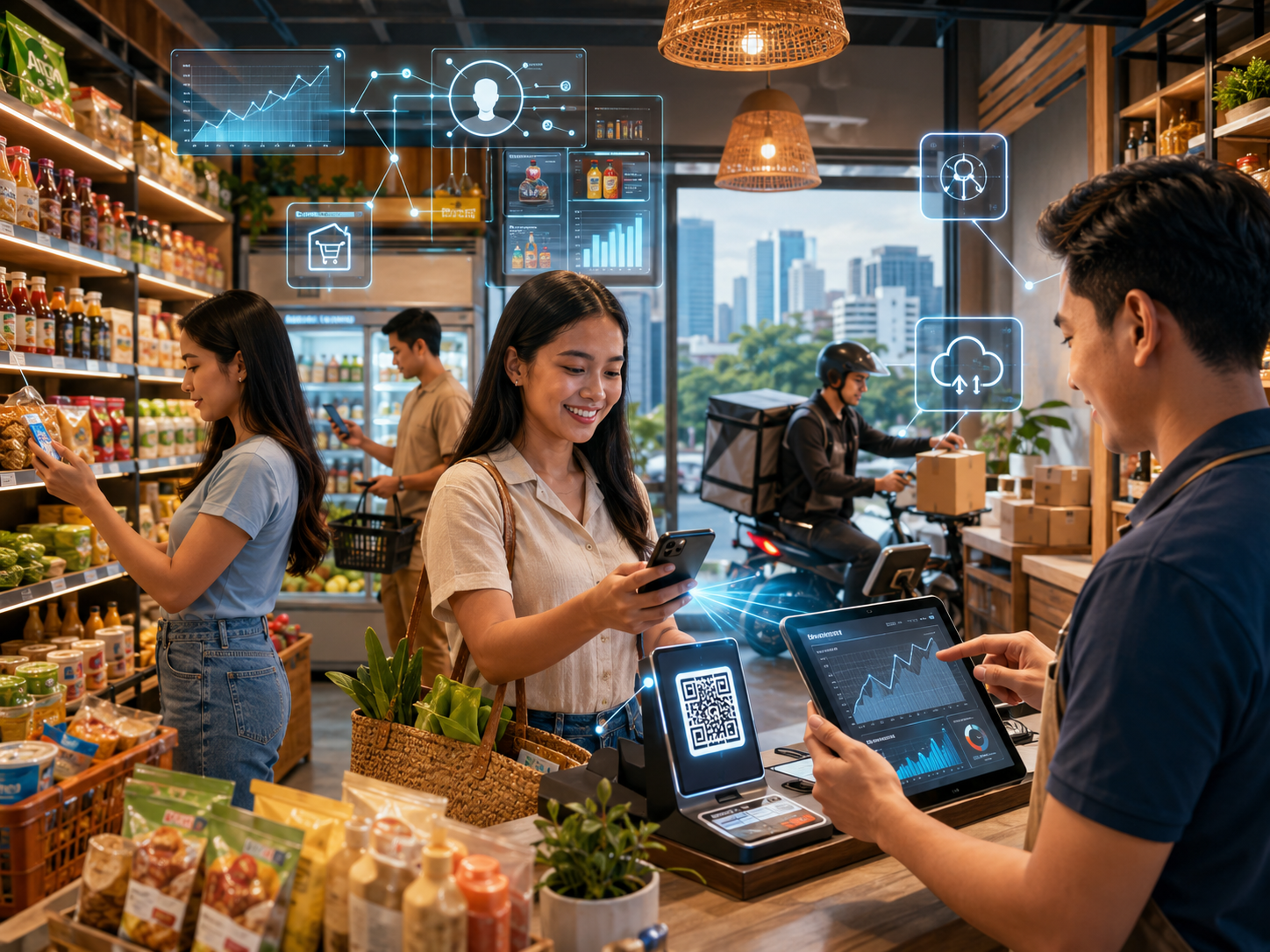
Retail-technology platforms can help neighborhood stores monitor inventory, forecast demand, and understand buying patterns. Packworks, for example, has built digital tools around the operational needs of small community retailers, demonstrating how data technology can address a distinctly Philippine market.
Digital Finance Is Accelerating Startup Adoption
The expansion of electronic payments has created a foundation for many other startup services. Digital wallets and mobile banking platforms make it easier for consumers to purchase products online, pay bills, subscribe to applications, and receive funds without visiting a bank branch.
Companies such as GCash, Maya, and newer digital banks have helped normalize app-based financial activity. Their growth also creates opportunities for startups offering merchant software, cybersecurity, identity verification, lending infrastructure, insurance technology, and personal-finance tools.
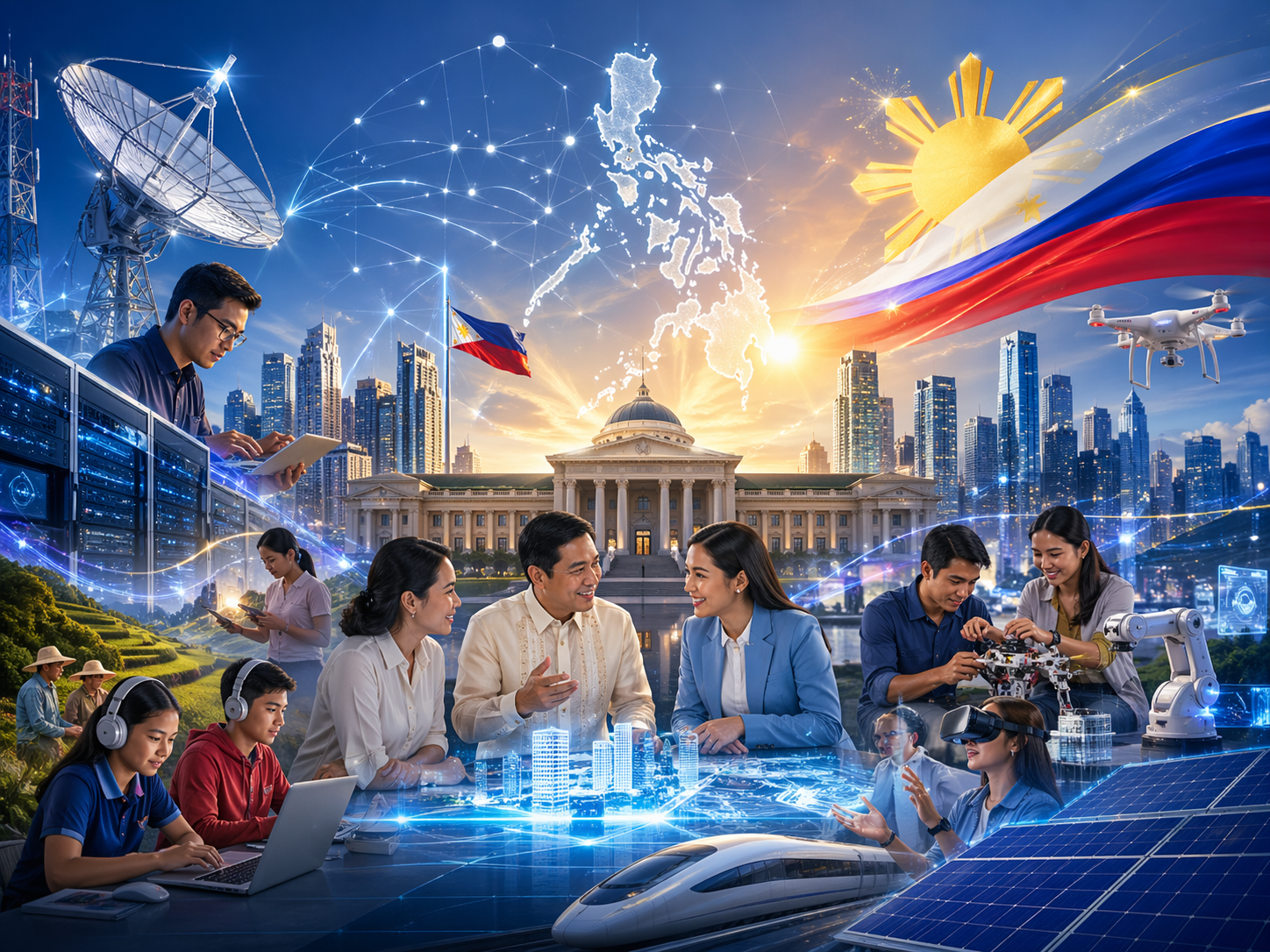
Government support is another important factor. The Philippine Innovative Startup Act, officially known as Republic Act No. 11337, established a policy framework for startup incentives, development programs, and collaboration among public institutions. The law can be reviewed through the Official Gazette of the Republic of the Philippines.
Growth Also Brings New Risks
Industry 4.0 does not automatically guarantee startup success. Companies must address cybersecurity threats, shortages of experienced technical talent, inconsistent internet quality, and regulatory uncertainty. Startups that collect financial, medical, or behavioral data face especially high expectations regarding security and consent.
The most competitive Philippine startups will be those that combine advanced technology with a clear understanding of local conditions. Solutions designed for unreliable connectivity, fragmented supply chains, cash-dependent communities, and geographically dispersed customers may have stronger long-term value than products copied directly from more developed markets.









Leave a Reply