

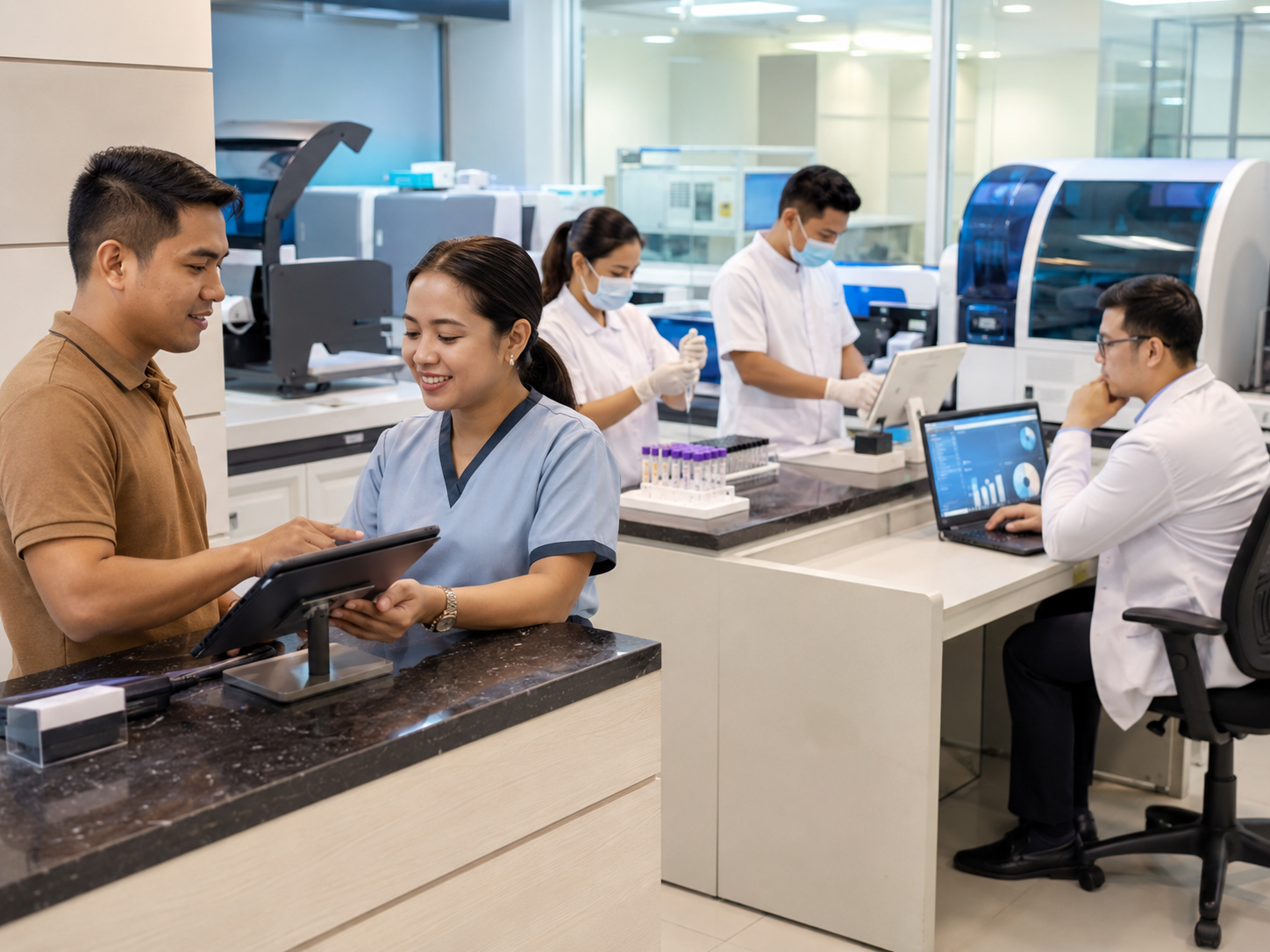
Telemedicine in the Philippines is no longer viewed only as an emergency alternative to clinic visits. Philippine healthcare companies are transforming it into a broader primary-care system that connects online consultations with medicine delivery, laboratory testing, mental health support, and long-term patient monitoring.
This transition is particularly relevant in an archipelagic country where patients may need to travel for hours to reach a specialist. Traffic congestion in major cities, uneven distribution of medical professionals, and the cost of face-to-face consultations have also encouraged healthcare providers to develop more accessible digital services.
One of the most visible examples is KonsultaMD, a health technology platform developed within the Globe Group ecosystem. Its official platform, available at https://konsulta.md/, presents a service model that connects users with licensed doctors through digital consultations while offering access to additional healthcare support.
From One-Time Consultations to Connected Services
Integrating Different Stages of Patient Care
The first generation of telemedicine platforms primarily focused on telephone or video consultations. Newer platforms aim to manage more of the patient journey.
A patient experiencing recurring headaches, for example, may begin with an online consultation. The doctor can recommend laboratory testing, issue an electronic prescription, or refer the patient to a specialist. Medicine and diagnostic services may then be arranged through connected providers.
This integrated structure reduces the need for patients to search separately for doctors, pharmacies, laboratories, and follow-up care. It also allows healthcare platforms to maintain more organized records of previous consultations, prescriptions, and treatment recommendations.
For patients with hypertension, diabetes, asthma, or other chronic conditions, continuity is especially important. Digital platforms can support regular consultations and reminders instead of limiting treatment to occasional visits when symptoms become severe.
The Business Case for Philippine Companies
Telemedicine platforms are also developing subscription-based healthcare packages for individuals, families, and corporate employees. These arrangements provide companies with recurring revenue while giving users predictable access to medical advice.
Employers are increasingly interested in digital health benefits because online consultations may reduce employee absences and make healthcare support available outside standard clinic hours. For small businesses without dedicated medical facilities, telehealth subscriptions can provide a practical alternative.
However, the success of this model depends on more than the number of doctors available online. Companies must protect patient information, maintain reliable response times, establish clear referral protocols, and ensure that users understand when physical examinations are necessary.
Challenges That Technology Cannot Solve Alone
Telemedicine cannot replace every form of medical care. Emergency cases, complex diagnostic procedures, surgery, and conditions requiring physical examination still need in-person treatment.
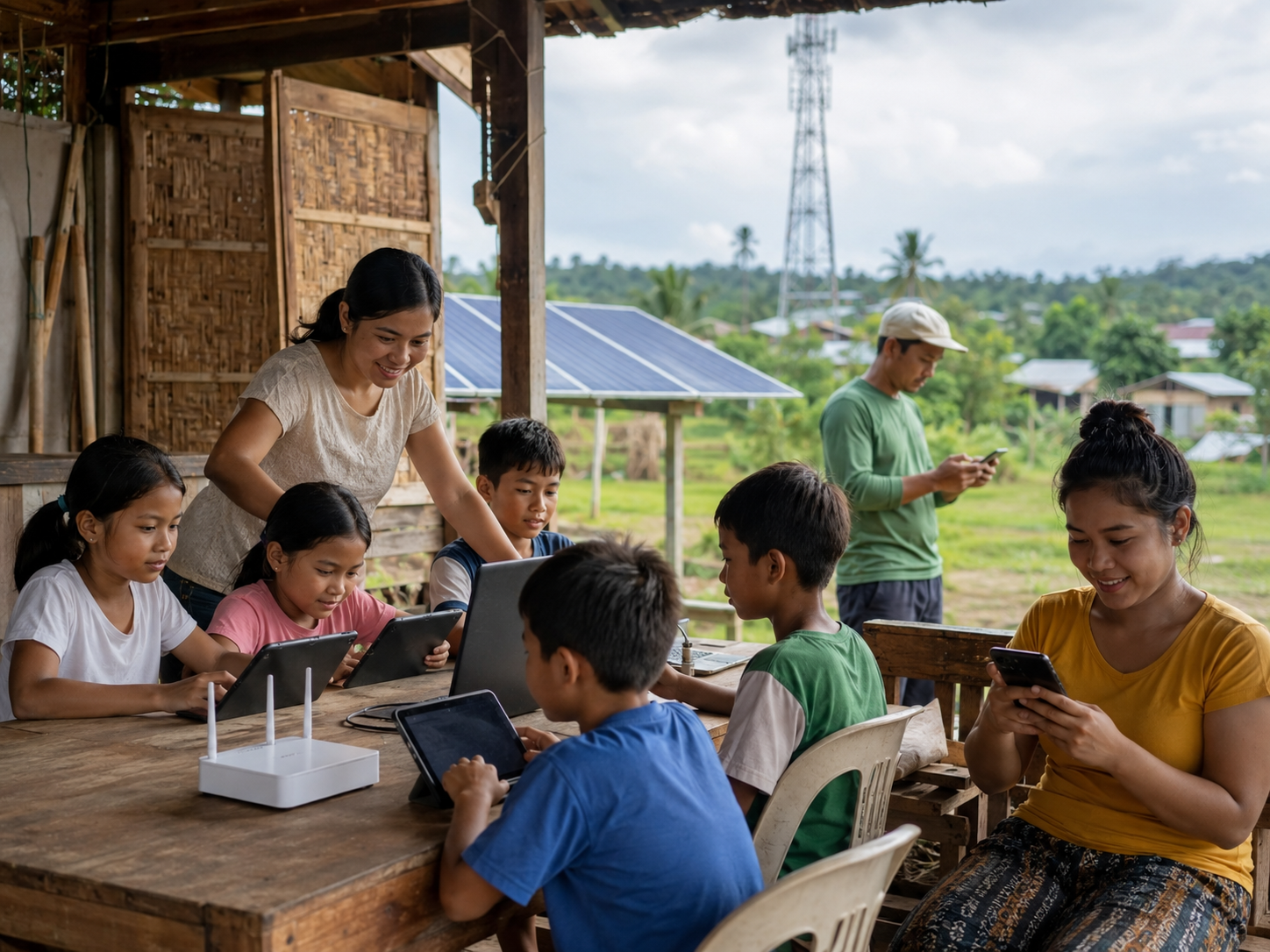
Internet quality and digital literacy also remain significant barriers. Older adults and patients in remote communities may find healthcare applications difficult to navigate. Platforms therefore need simplified interfaces, multilingual assistance, and alternative access through telephone-based services.
Trust is another major factor. Patients must be confident that online doctors are properly licensed and that personal medical records will not be misused.
What the Next Stage May Look Like
The most competitive Philippine telemedicine companies are likely to evolve into healthcare coordination platforms rather than standalone consultation applications. Their value will come from connecting doctors, hospitals, laboratories, pharmacies, insurers, and patients within one digital environment.
For consumers, the most meaningful improvement will not simply be faster video calls. It will be the ability to move smoothly from initial consultation to diagnosis, treatment, and follow-up care without repeatedly rebuilding their medical history.











Leave a Reply