

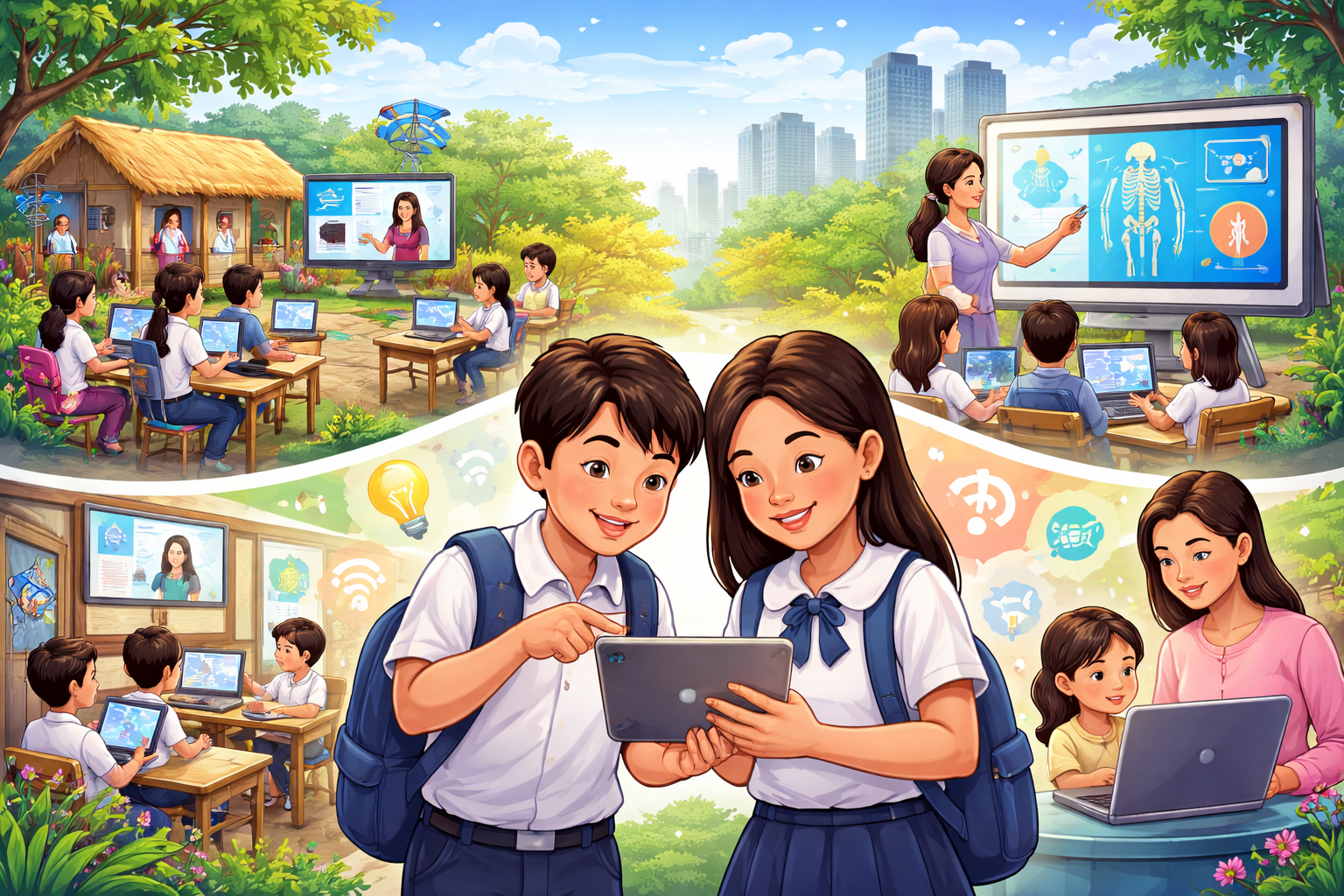
In the Philippines, the integration of technology in the education sector is increasingly shaping the future of learning. Over the years, various technological advancements have played a significant role in addressing the challenges faced by educators, students, and institutions, improving the quality of education, and making learning more accessible.
A major area where technology has proven beneficial is in bridging the gap between rural and urban education. The country has long struggled with educational inequality, where remote areas lack proper resources, qualified teachers, and adequate infrastructure. With the help of online learning platforms and digital tools, students in far-flung areas can access quality education materials and even participate in virtual classrooms, regardless of their location.
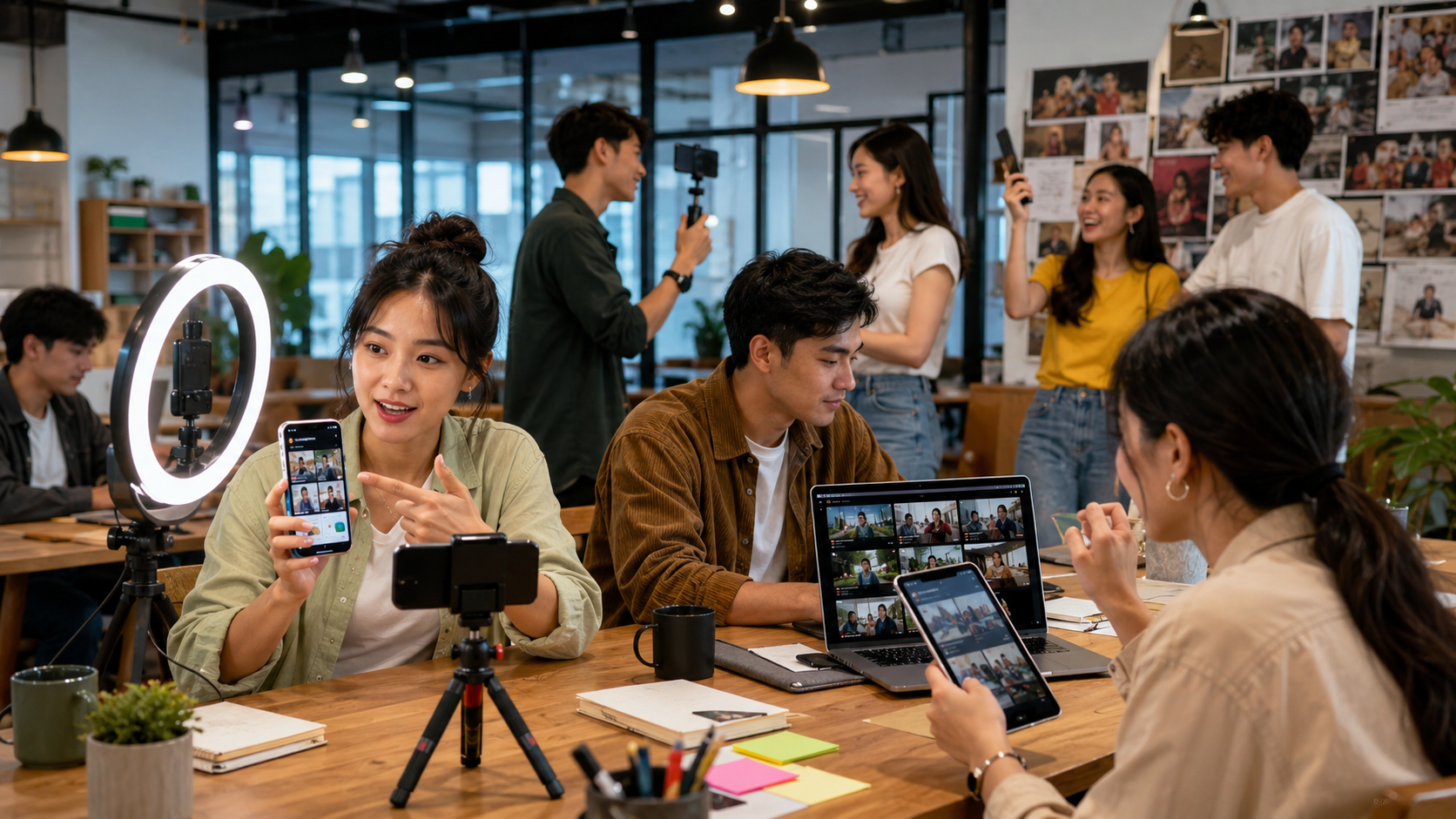
One of the most significant technological tools used in the Philippines’ education sector is the internet. The widespread availability of smartphones and mobile internet allows students from diverse backgrounds to access learning resources. E-learning platforms such as Google Classroom, Moodle, and others have revolutionized the way lessons are delivered, making it possible for both teachers and students to engage in a more interactive and collaborative learning environment.
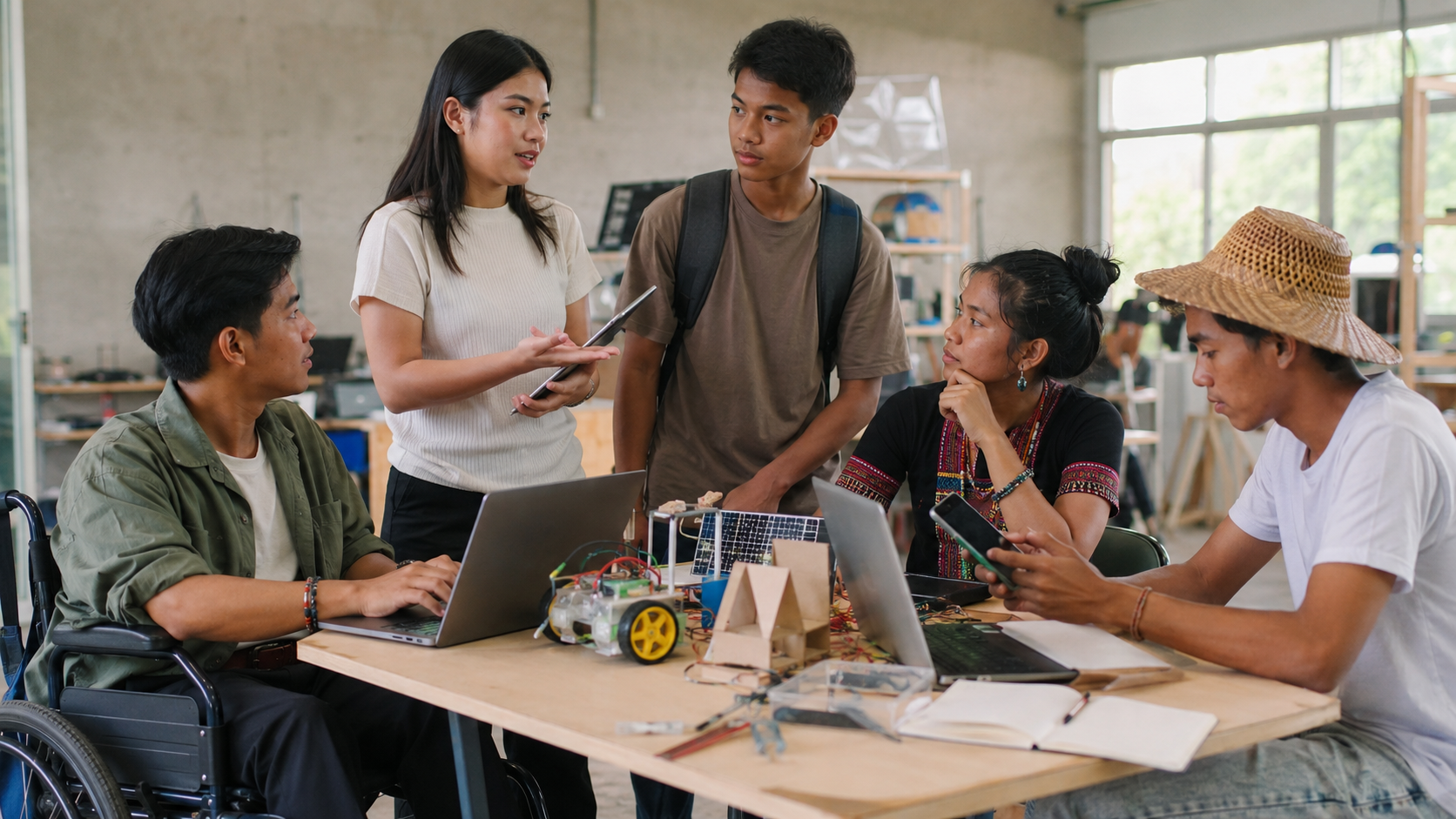
In addition, interactive whiteboards, multimedia tools, and educational software have made lessons more engaging, allowing students to learn at their own pace. This is particularly useful for students with learning disabilities or those who need extra assistance. The integration of technologies such as virtual reality (VR) and augmented reality (AR) also offers unique opportunities for immersive learning experiences, making complex subjects like science and history more tangible and engaging.
Furthermore, technology has facilitated the professional development of educators in the Philippines. Online training programs and webinars have enabled teachers to improve their skills and knowledge, keeping them updated with the latest educational trends and tools. Digital platforms also allow for peer collaboration, where educators can share resources, discuss best practices, and learn from one another.
Despite these advantages, challenges remain in fully integrating technology into the Philippine education system. A major hurdle is the country’s inconsistent internet connectivity, particularly in rural areas. While the urban centers have relatively good internet access, remote regions still face challenges with slow or unreliable connections. The government has recognized this issue and is working on projects to expand internet infrastructure in underserved areas, but progress has been slow.
Moreover, the affordability of technology remains a concern for many students and educators. While smartphones and laptops have become more affordable, many families and schools still struggle to equip students with the necessary devices to fully participate in online learning. This digital divide creates disparities in access to quality education.
Despite these challenges, the overall impact of technology on education in the Philippines cannot be understated. As the country continues to invest in digital infrastructure and address the challenges of affordability and access, the role of technology in transforming the education system will only grow stronger. It holds the potential to provide inclusive, engaging, and effective learning experiences for all Filipinos, ensuring that future generations are better equipped for the rapidly changing world.






Leave a Reply