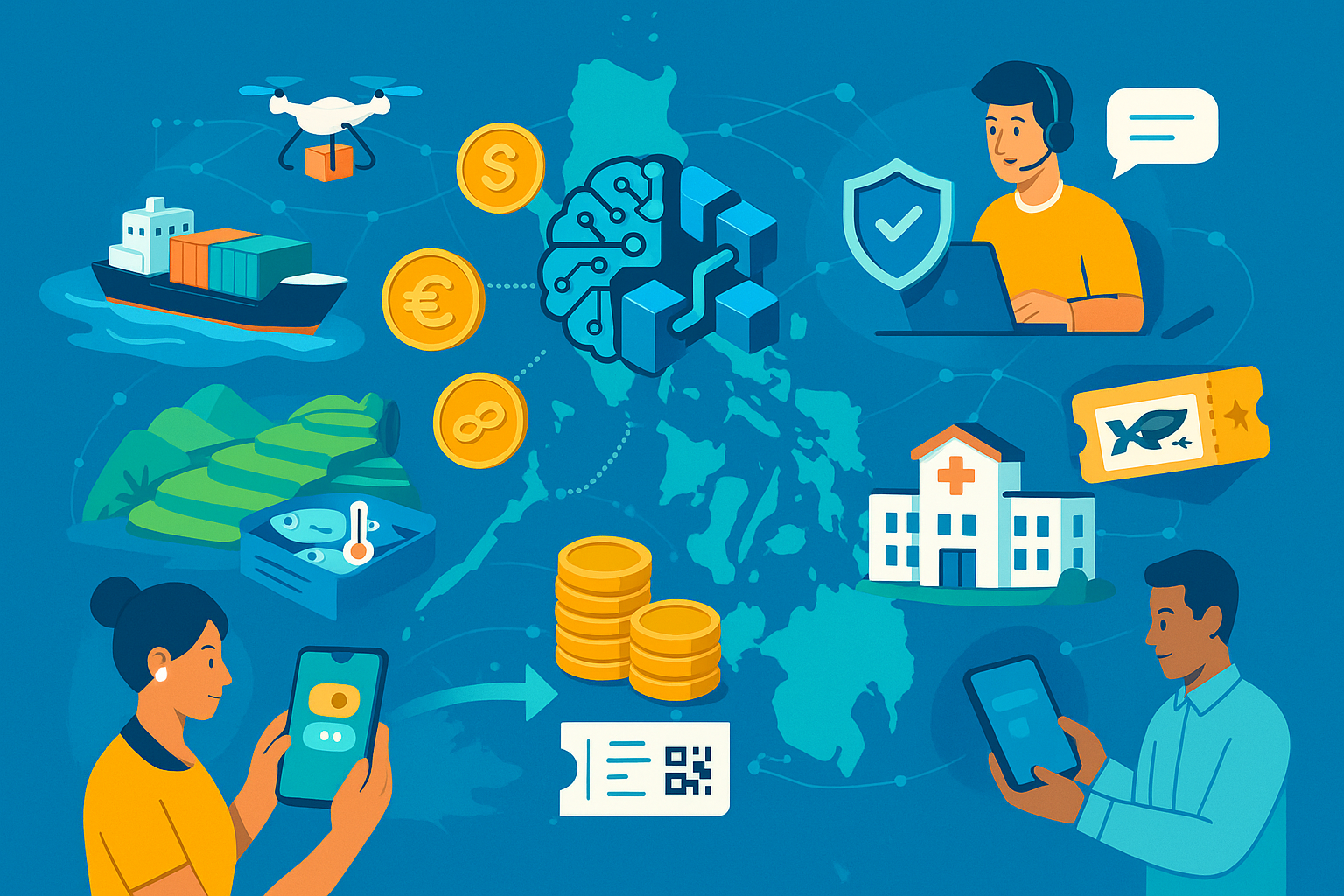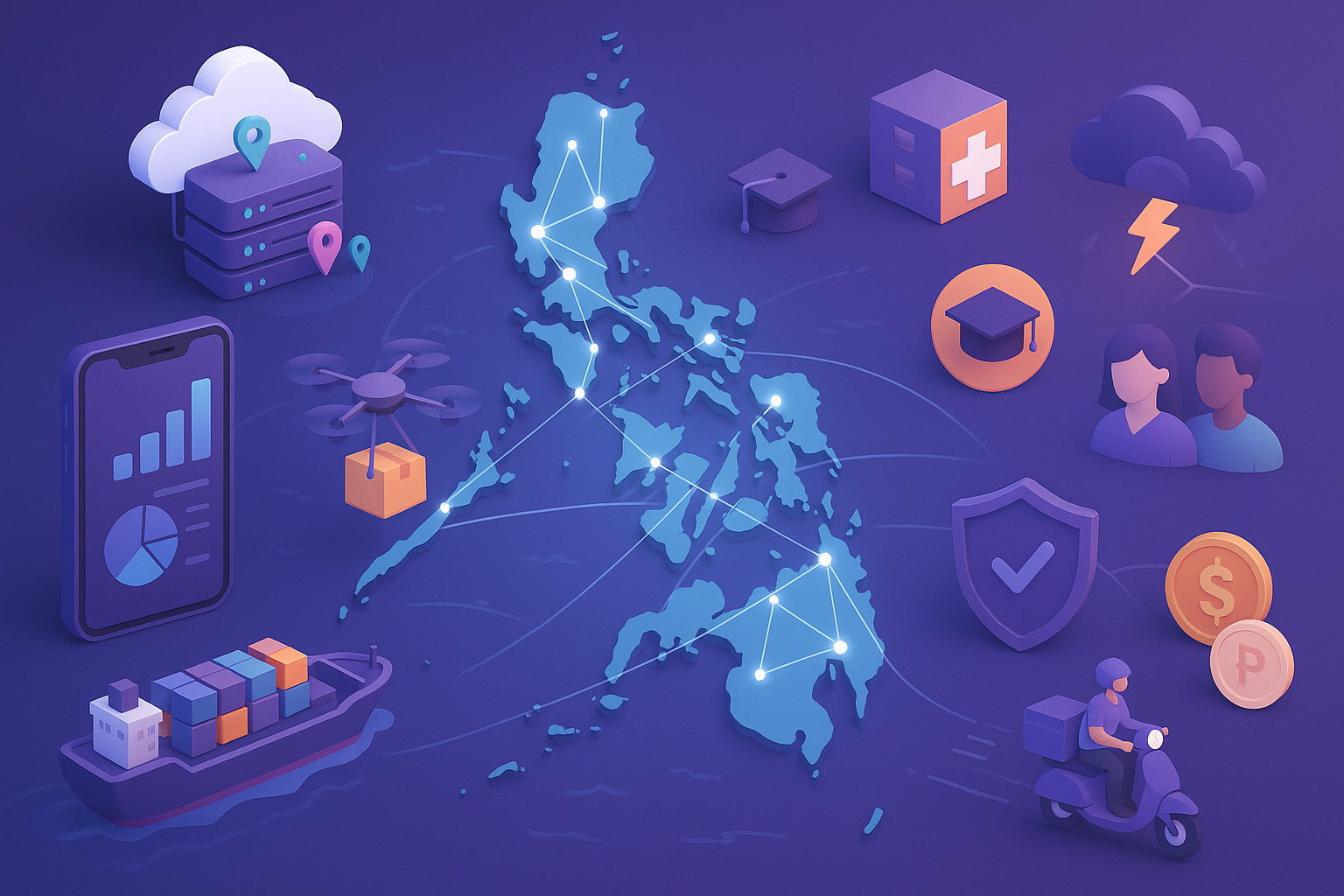

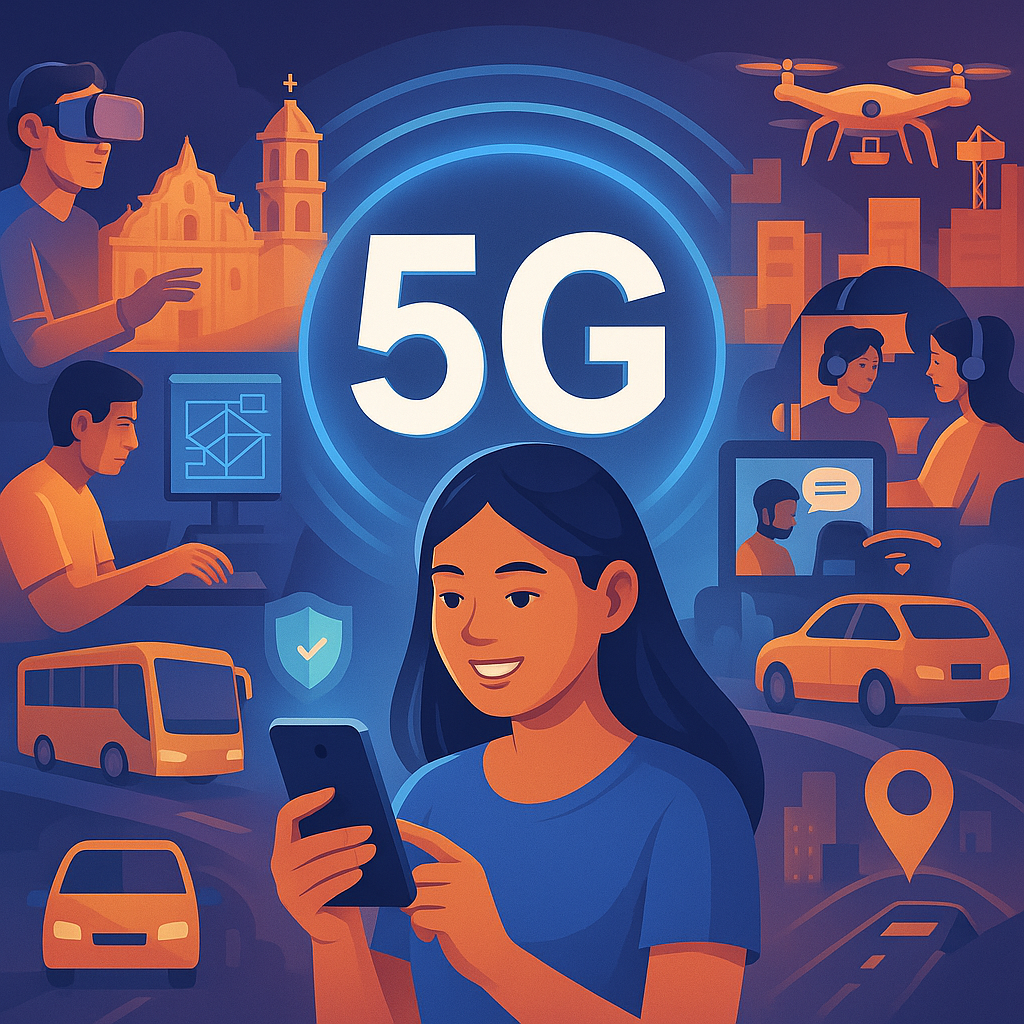
The rollout of 5G networks in the Philippines is more than just a technical upgrade; it is a structural shift in how young companies can build and scale products. With faster speeds, ultra-low latency, and the ability to connect massive numbers of devices, 5G is creating a digital environment where Filipino startups can test ideas that were previously too slow, too expensive, or simply impossible.
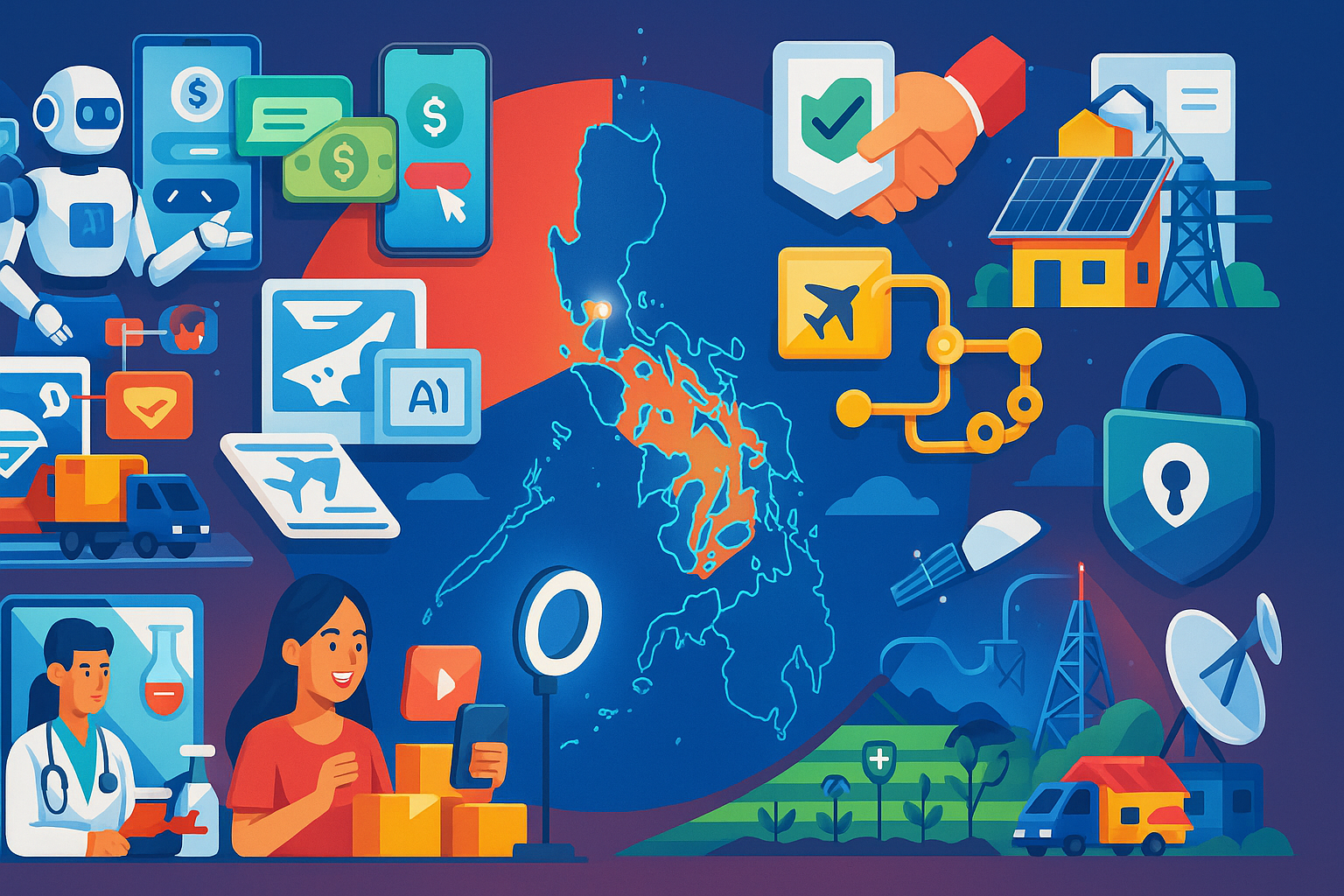
One of the biggest advantages for startups is the way 5G makes real-time services practical. In fintech, for instance, faster and more reliable mobile connections mean payment apps, digital wallets, and lending platforms can serve customers in crowded urban centers without lag or frequent disconnections. For micro-entrepreneurs using these apps to run online shops or accept cashless payments, that reliability translates into trust, higher transaction volumes, and better financial inclusion.
Healthcare and education startups are also set to benefit. Telemedicine platforms can use 5G to support high-quality video consultations and remote diagnostics, even in areas where infrastructure has traditionally been weak. For edtech ventures, 5G allows smoother live classes, interactive content, and virtual labs that require higher bandwidth. This is particularly important in an archipelagic nation, where reaching learners scattered across islands has always been a challenge.
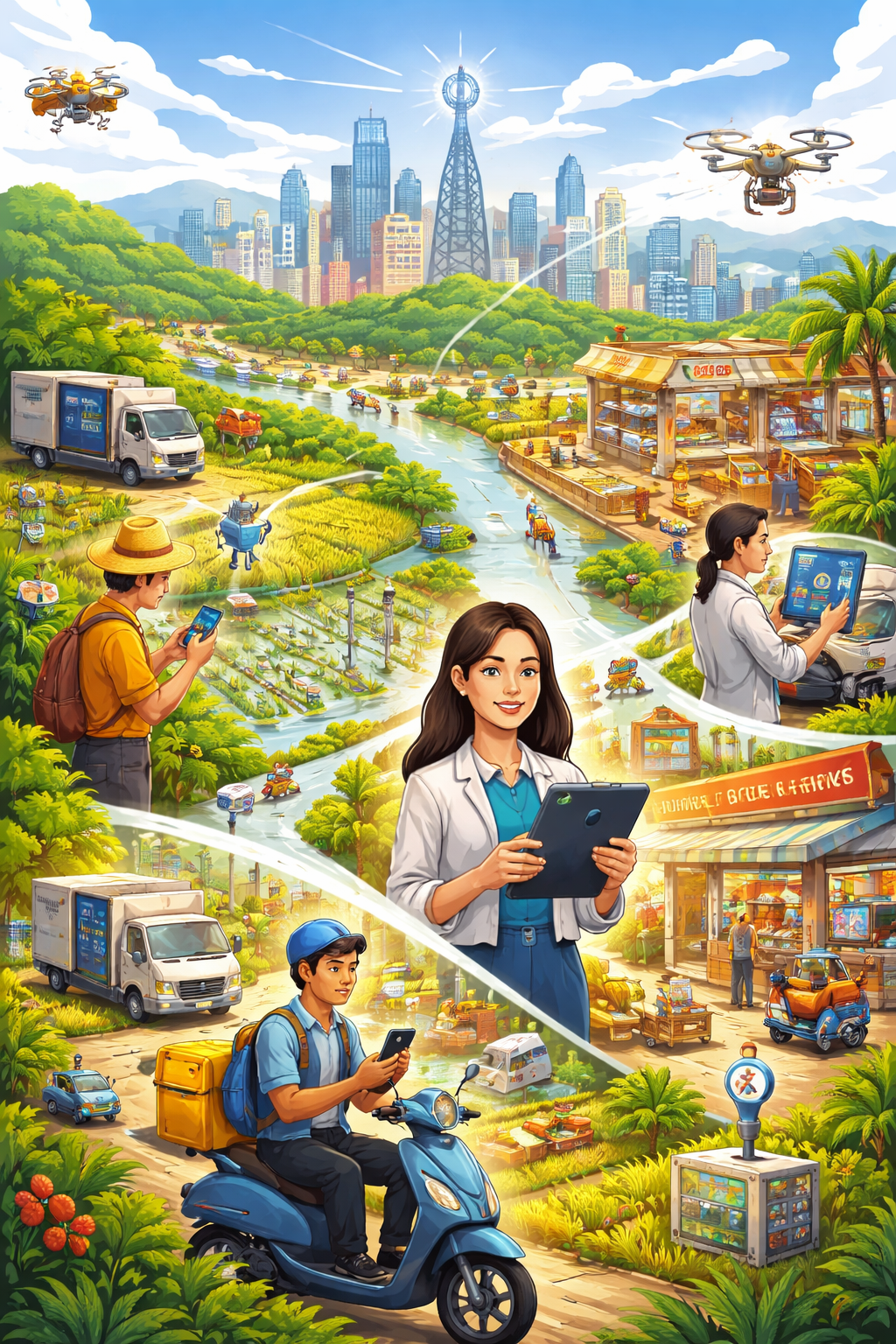
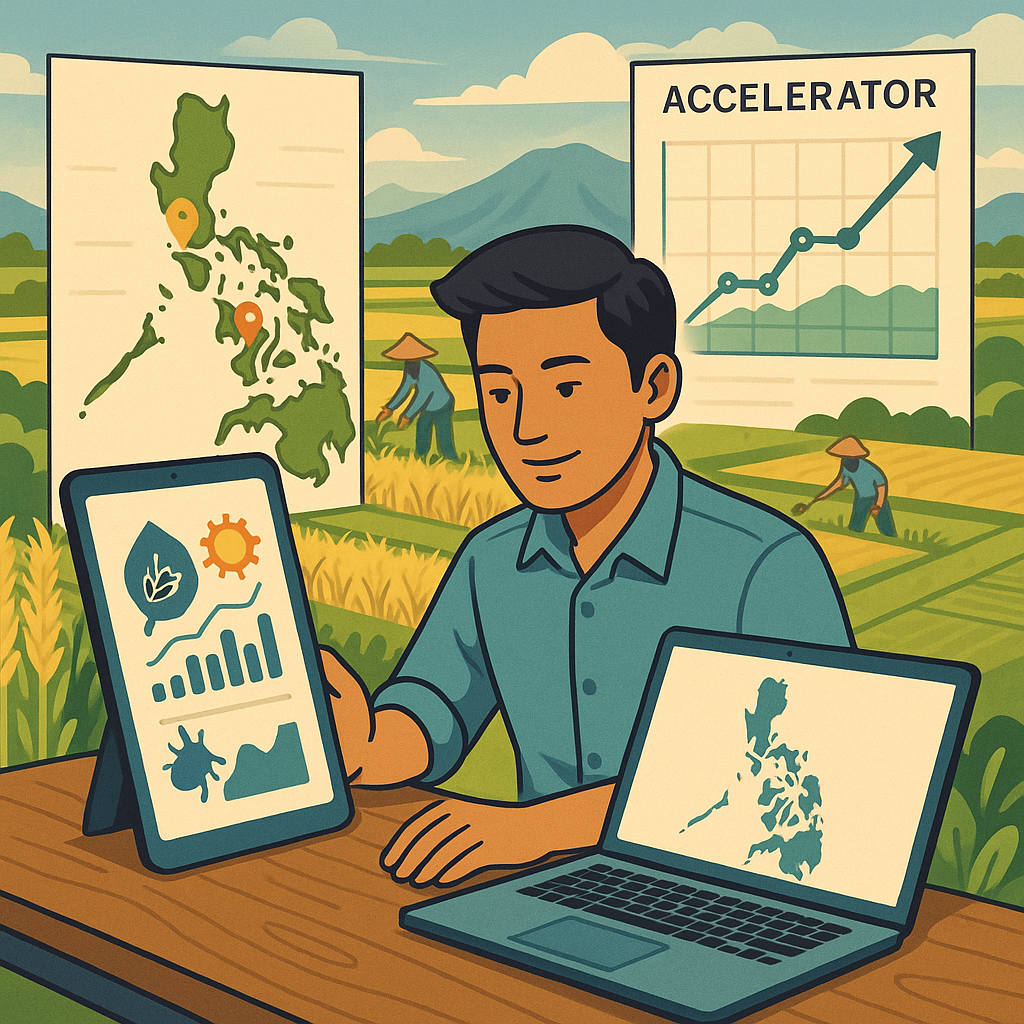
Another major impact lies in the growing Internet of Things (IoT) ecosystem. 5G networks are designed to handle huge numbers of connected devices, which opens the door for startups working on smart farming, smart homes, and smart city projects. Agritech startups can deploy sensors on farms to monitor soil moisture, weather patterns, and crop health in real time, helping farmers make better decisions and protecting yields. Urban innovators can experiment with smart traffic systems, energy-efficient buildings, and connected public transport.
For logistics and e-commerce companies, 5G improves tracking, routing, and warehouse automation. Startups can integrate real-time location data, predictive analytics, and even autonomous drones or delivery robots in controlled environments. In a country where traffic congestion and fragmented geography can make deliveries expensive and slow, these improvements directly affect profitability and customer satisfaction.
The creative and entertainment sectors are not left behind. 5G supports seamless streaming, cloud gaming, and immersive AR/VR experiences. Filipino startups in media, gaming, and creative tech can build products that compete globally, offering virtual concerts, interactive storytelling, and augmented tourism experiences that showcase local culture. These ideas require both high bandwidth and low latency, something older networks struggled to provide consistently.
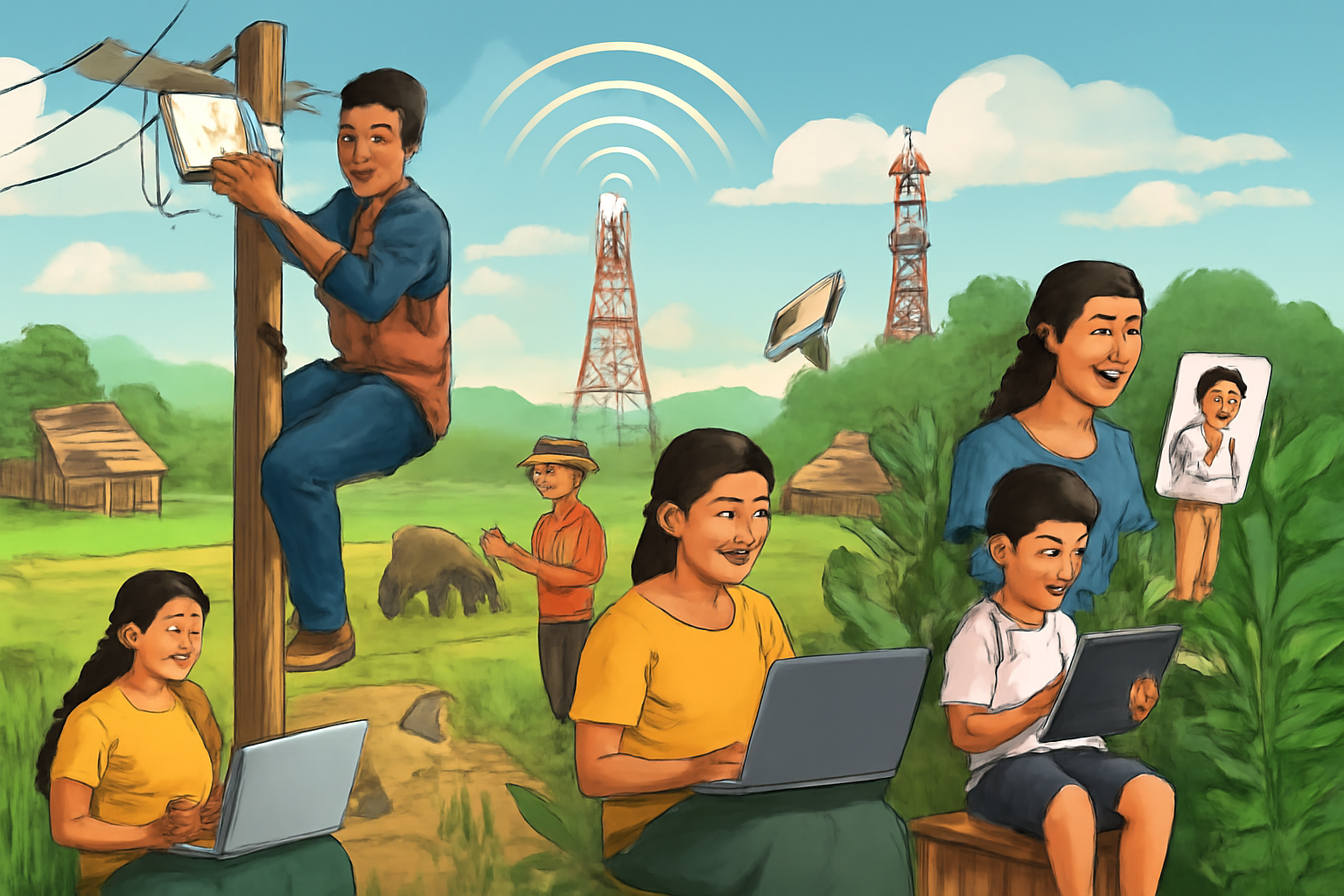
Of course, there are challenges. 5G infrastructure is still being deployed, and coverage is stronger in major cities than in rural areas. Startups also need talent skilled in cloud computing, cybersecurity, data analytics, and network engineering. However, these obstacles also create niches for startups offering training, cybersecurity services, and tools that help businesses transition to a 5G-first world.
Overall, 5G is giving Filipino founders a new technical foundation on which to build. Those who understand how to combine connectivity, data, and local insight can create products tailored to the country’s unique geography, demographics, and culture—while still reaching regional and global markets.