

The Persistent Paradox of Philippine Enterprise
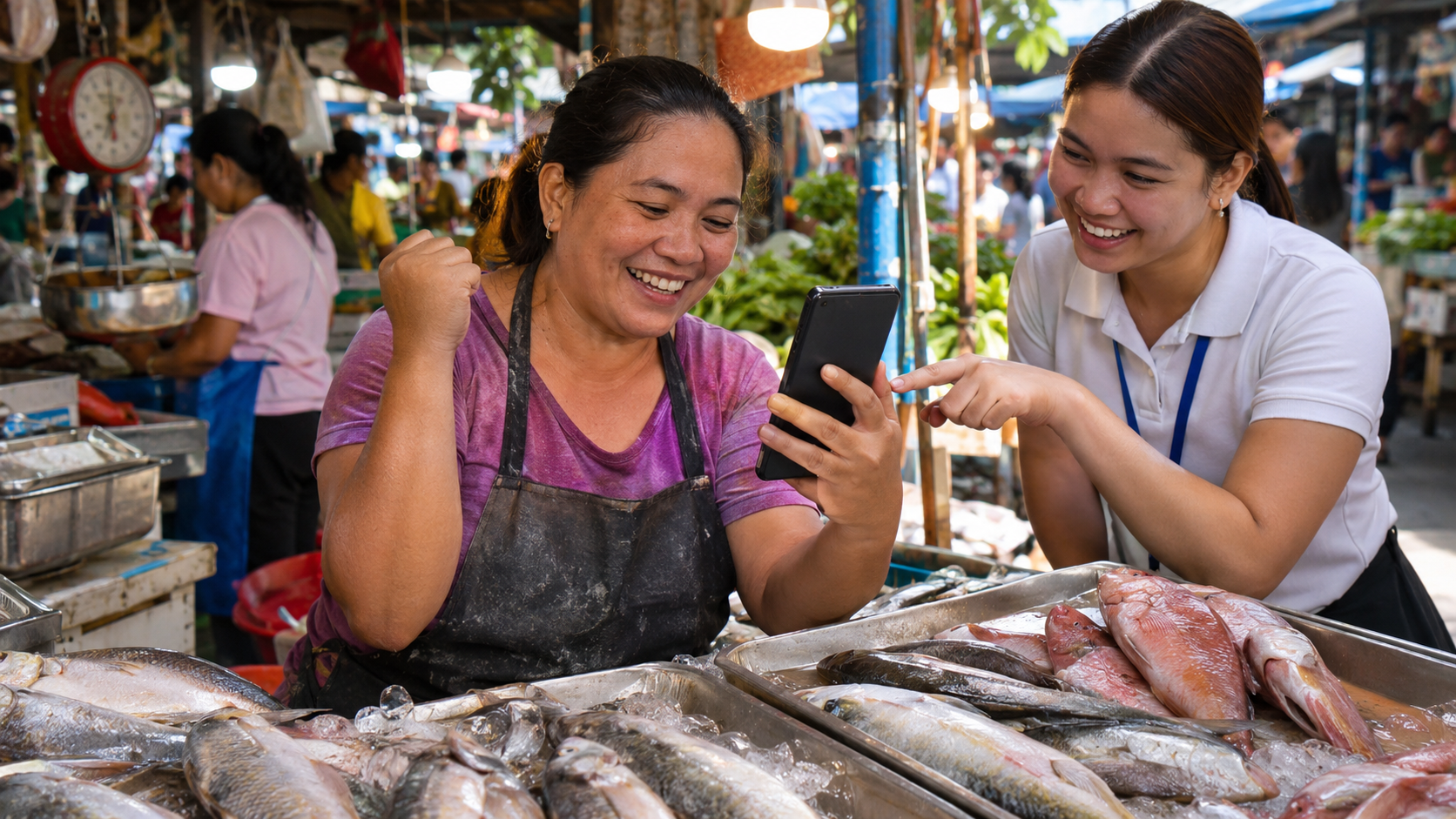
Micro, small, and medium enterprises account for 99.6% of all registered businesses in the Philippines and employ roughly two-thirds of the country’s workforce. Yet for decades, the banking system has treated this economic backbone as an afterthought. According to Bangko Sentral ng Pilipinas data, only about 4.5% of total bank lending flows to MSMEs—less than half the 10% floor once mandated under the Magna Carta for MSMEs. The resulting financing demand is estimated at $220 billion, against a formal supply of just $15 billion.
This is not a market failure born of insufficient demand. It is a structural blindness. Traditional lenders demand collateral, audited financials, and documented cash flows that sari-sari store owners and market vendors simply do not possess. A business that opened this year, by definition, has nothing for a credit officer to look up.
How Digital Lending Circumvents the Collateral Trap
The most consequential shift in Philippine MSME finance is the migration from asset-based underwriting to behavior-based underwriting. In February 2026, the Asian Development Bank extended a $30 million loan to Fuse Financing, the lending arm of GCash operator Mynt, to scale non-collateralized loans to farmers, vendors, and first-time borrowers. The facility allocates 60% of proceeds to women-owned enterprises and targets provinces with high poverty incidence.
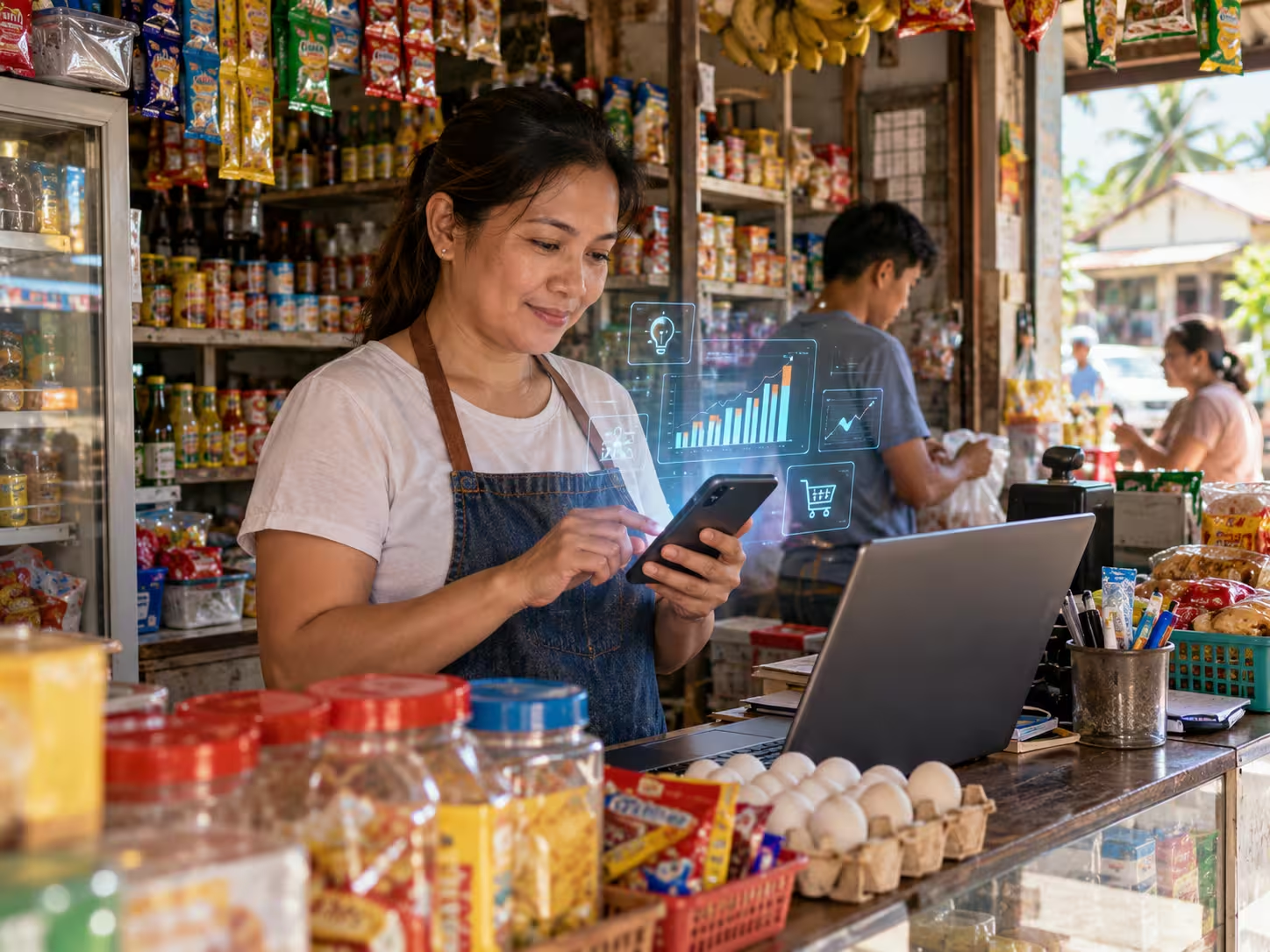
Fuse’s underwriting engine, GScore, evaluates creditworthiness through digital behavior patterns rather than bank statements. This matters because more than 60% of Fuse’s MSME clients in 2024 were first-time borrowers—entrepreneurs who had never appeared in the formal credit system. The model inverts the traditional logic: instead of asking what a borrower owns, it asks how a borrower transacts.
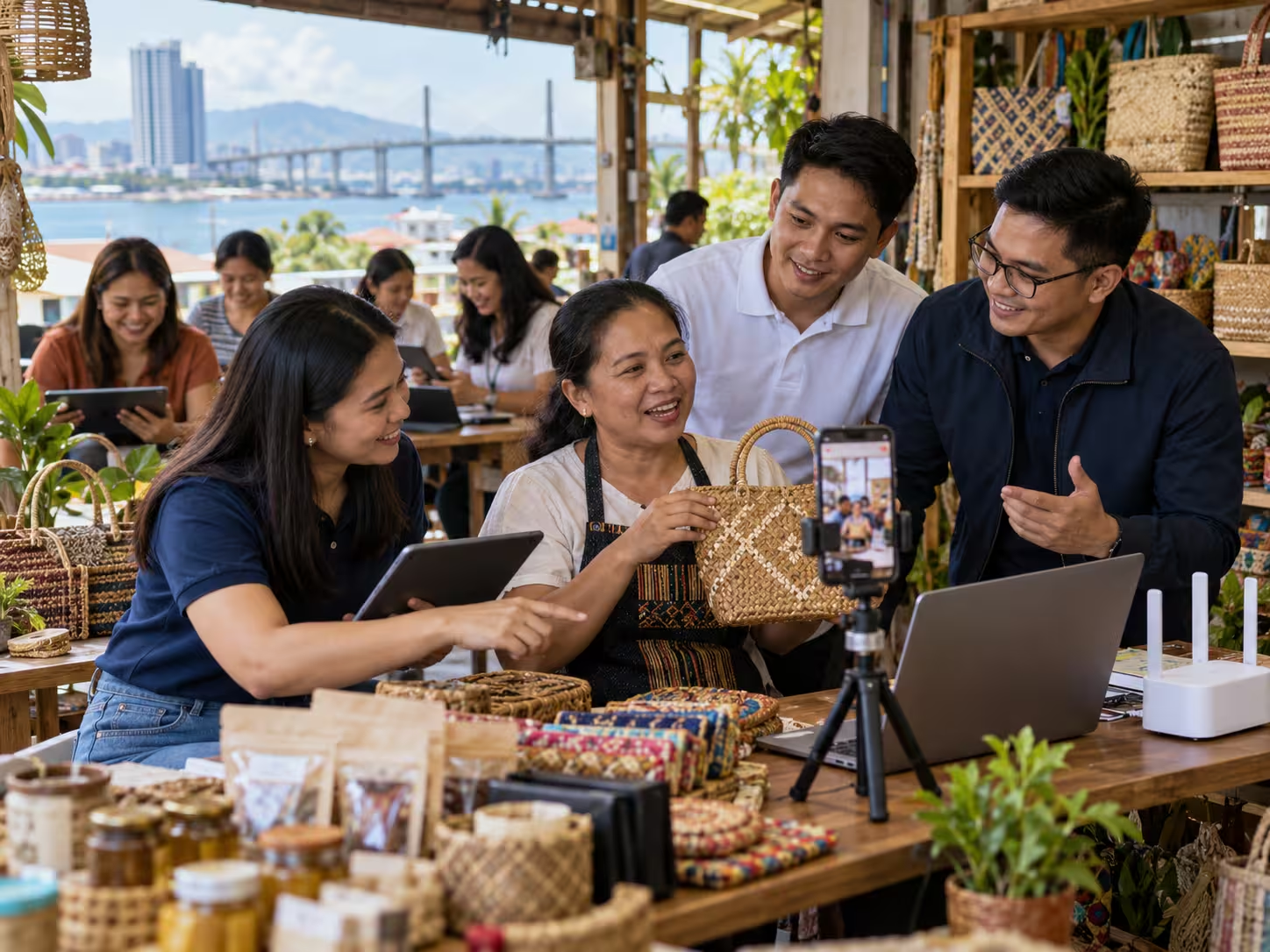
A parallel approach is emerging from Datung, an AI-native microfinance company operating in Manila and Singapore. Datung combines e-wallet cash flows, field officer observations, and alternative credit scores from Trusting Social—which has scored more than 110 million Filipinos since 2019—to underwrite informal micro-entrepreneurs. “Having no paper trail doesn’t mean someone isn’t reliable,” notes Johnny Escaler of Trusting Social Philippines.
The Regulatory Thaw
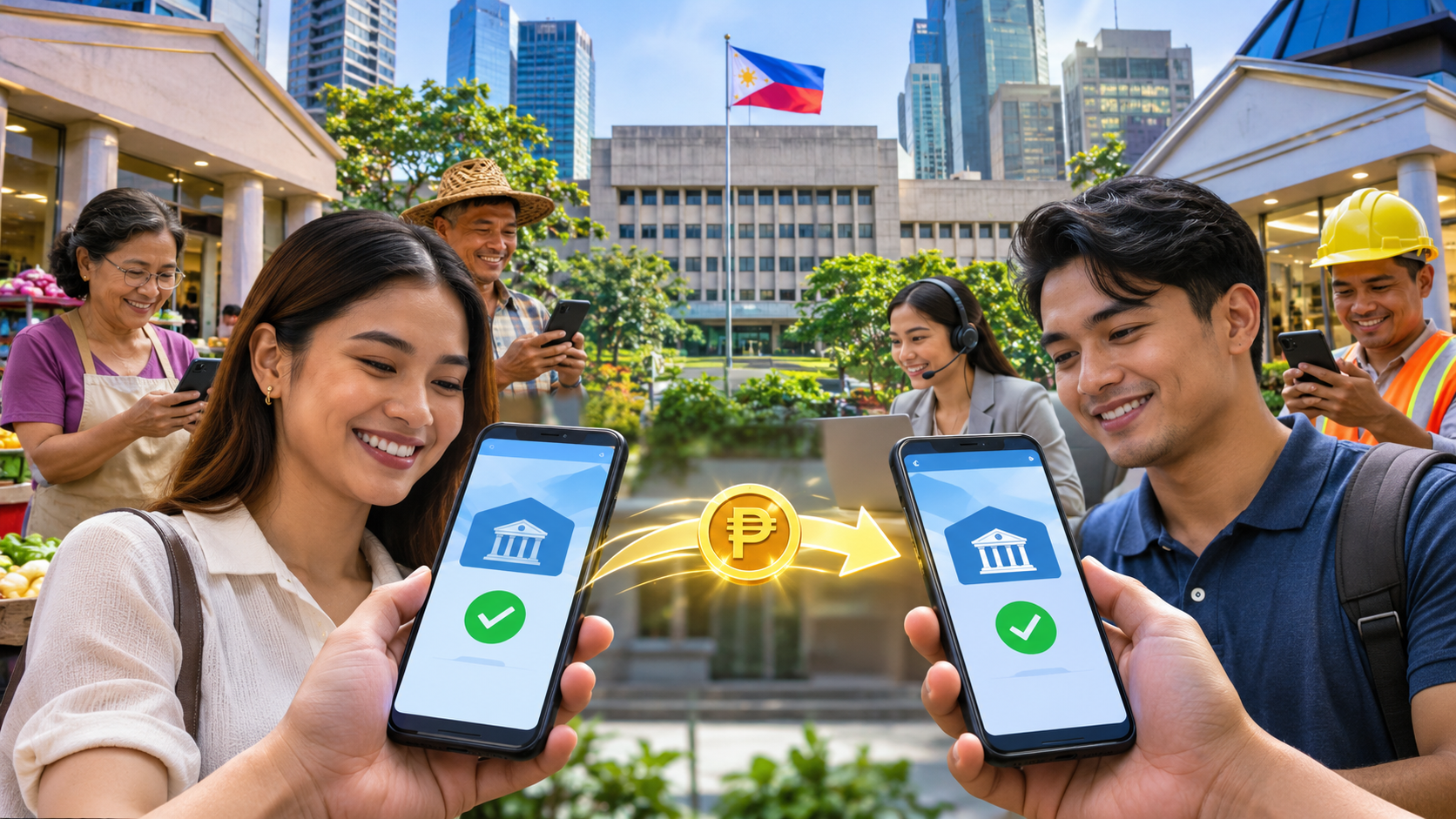
Until recently, online lending platforms operated under a regulatory moratorium imposed by the Securities and Exchange Commission in 2021. That constraint is being dismantled. A 2026 draft circular from the SEC lifts the moratorium and prescribes prudential, disclosure, and market-conduct requirements for Financing and Lending Companies operating digital platforms. The framework mandates clear disclosure of true cost of credit and prohibits coercive collection practices, creating a more predictable environment for legitimate operators while screening out predatory actors.
What remains unresolved is whether digital lenders can achieve scale without replicating the exclusionary logic of banks. The early evidence suggests they can—but only if alternative data infrastructure continues to mature. For now, the $205 billion gap between demand and supply represents both the sector’s greatest challenge and its most compelling commercial opportunity.










Leave a Reply