


The Philippine equity market is no longer a peripheral play—it is rapidly becoming a strategic allocation for global investors seeking genuine diversification. While developed markets grapple with stretched valuations and synchronized downturns, the Philippines offers a unique blend of domestic resilience, infrastructure expansion, and a consumption engine that runs independently of global supply chains.
Macroeconomic Tailwinds Fueling Market Decoupling
The country’s GDP growth is projected to hover near 6.2% in 2026, driven by the government’s “Build Better More” program, which has accelerated spending on roads, railways, and digital infrastructure. Unlike many emerging economies that rely heavily on commodity exports, the Philippines derives over 70% of its GDP from domestic consumption and services. This internal demand creates a natural buffer against global trade slowdowns, making Philippine stocks less sensitive to U.S. or Eurozone recessions.
According to the Philippine Stock Exchange’s 2026 Market Outlook Report (available at https://www.pse.com.ph/), the PSE Composite Index recorded a correlation coefficient of just 0.41 with the S&P 500 over the trailing three years. For portfolio managers, that low correlation is gold: adding Philippine equities can lower overall volatility without sacrificing expected returns.
Infrastructure and Real Estate: Concrete Diversifiers
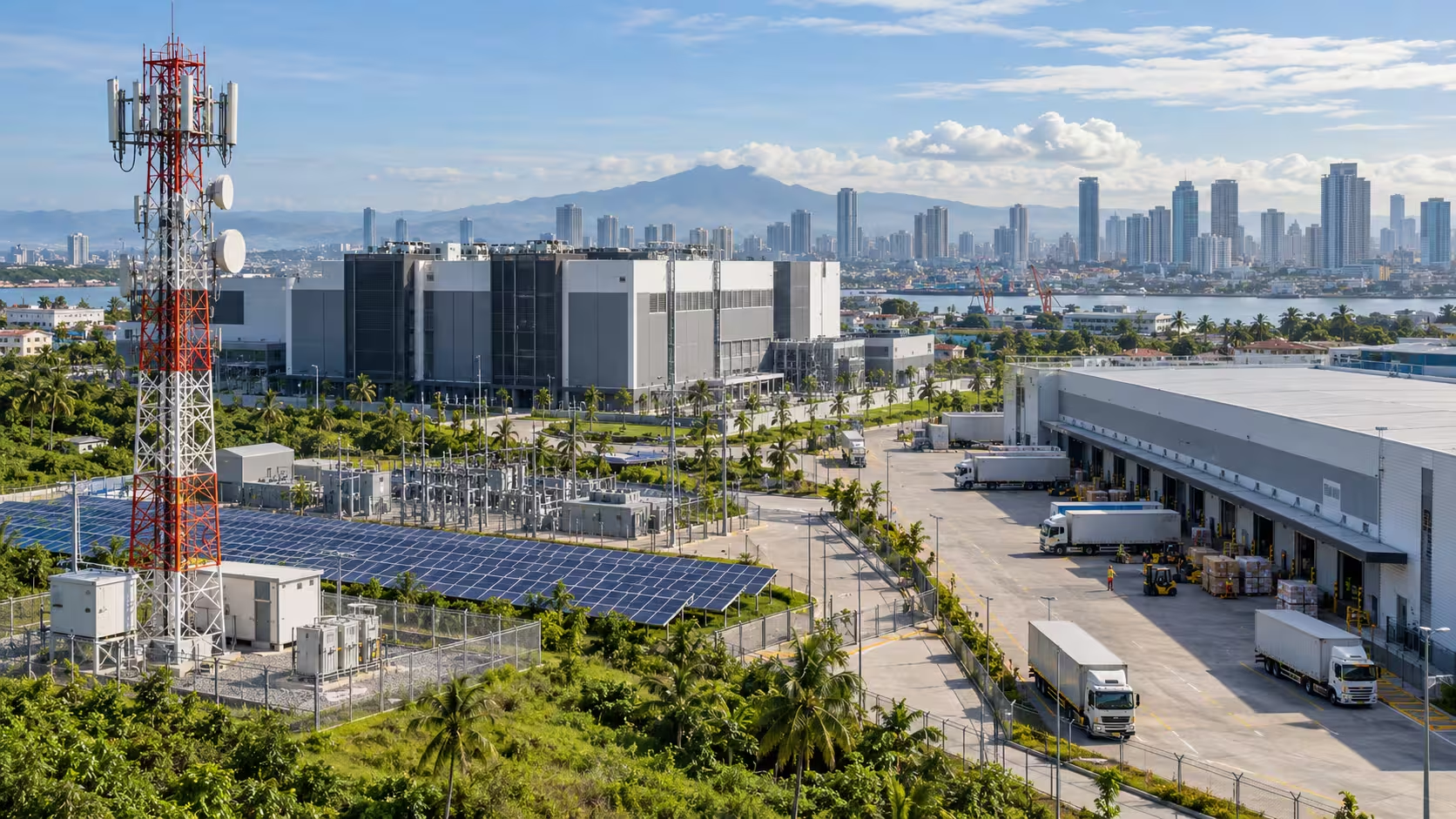
The infrastructure boom is not theoretical. Toll road operators, cement manufacturers, and power generation firms listed on the PSE have posted double-digit earnings growth for five consecutive quarters. Companies like San Miguel Corporation and Aboitiz Equity Ventures are expanding capacity to meet demand from new airports and seaports. These are not speculative tech bets—they are cash-generating utilities with predictable revenue streams, offering a defensive tilt within an emerging market.
Real estate investment trusts (REITs) listed in Manila have also matured. The Philippines now hosts over 15 REITs with a combined market capitalization exceeding $20 billion. These instruments pay stable dividends while benefiting from the country’s property cycle, which remains supported by remittances from overseas Filipino workers and a booming BPO industry. For a global portfolio, Philippine REITs provide both income and a hedge against inflation.
Digital Economy and Consumer Giants
The rapid digitization of the Philippine economy—accelerated by high smartphone penetration and a young, tech-savvy population—has created listed companies that rival regional peers. GCash’s parent, Mynt (partially owned by Globe Telecom), and digital banks are expanding financial inclusion. Meanwhile, consumer staples like Jollibee Foods Corporation continue to grow both domestically and internationally. These names add a growth component that diversifies away from cyclical sectors dominant in other emerging markets.
Investors often overlook the Philippines because it is smaller than China or India. But that size is an advantage: fewer foreign institutional players mean less crowded trades and more mispriced opportunities. By allocating even 5–10% of a global equity portfolio to Philippine stocks in 2026, you tap into a market that is structurally uncorrelated, fundamentally supported by domestic demand, and poised for a multi-year re-rating.











Leave a Reply