

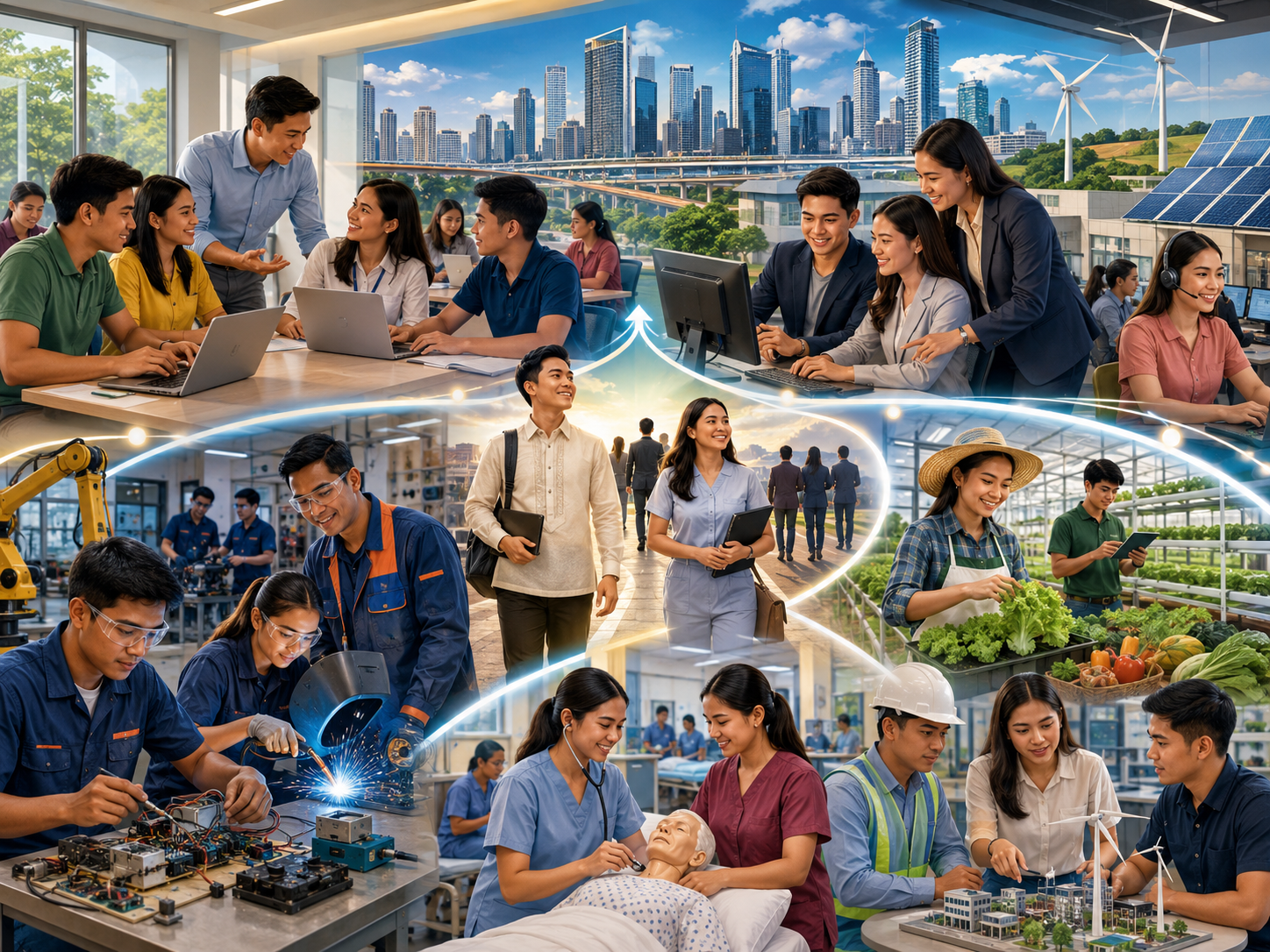
The Philippines is entering a period where workforce skills must evolve faster than traditional education systems can adapt on their own. Digital transformation, automation, artificial intelligence, climate-related industries, and the growth of service-based sectors are reshaping the country’s labor market. Because of this, collaboration between businesses and educational institutions has become essential. Schools, universities, technical-vocational institutions, and companies need to work together to ensure that graduates are not only academically prepared but also ready for real workplace demands.
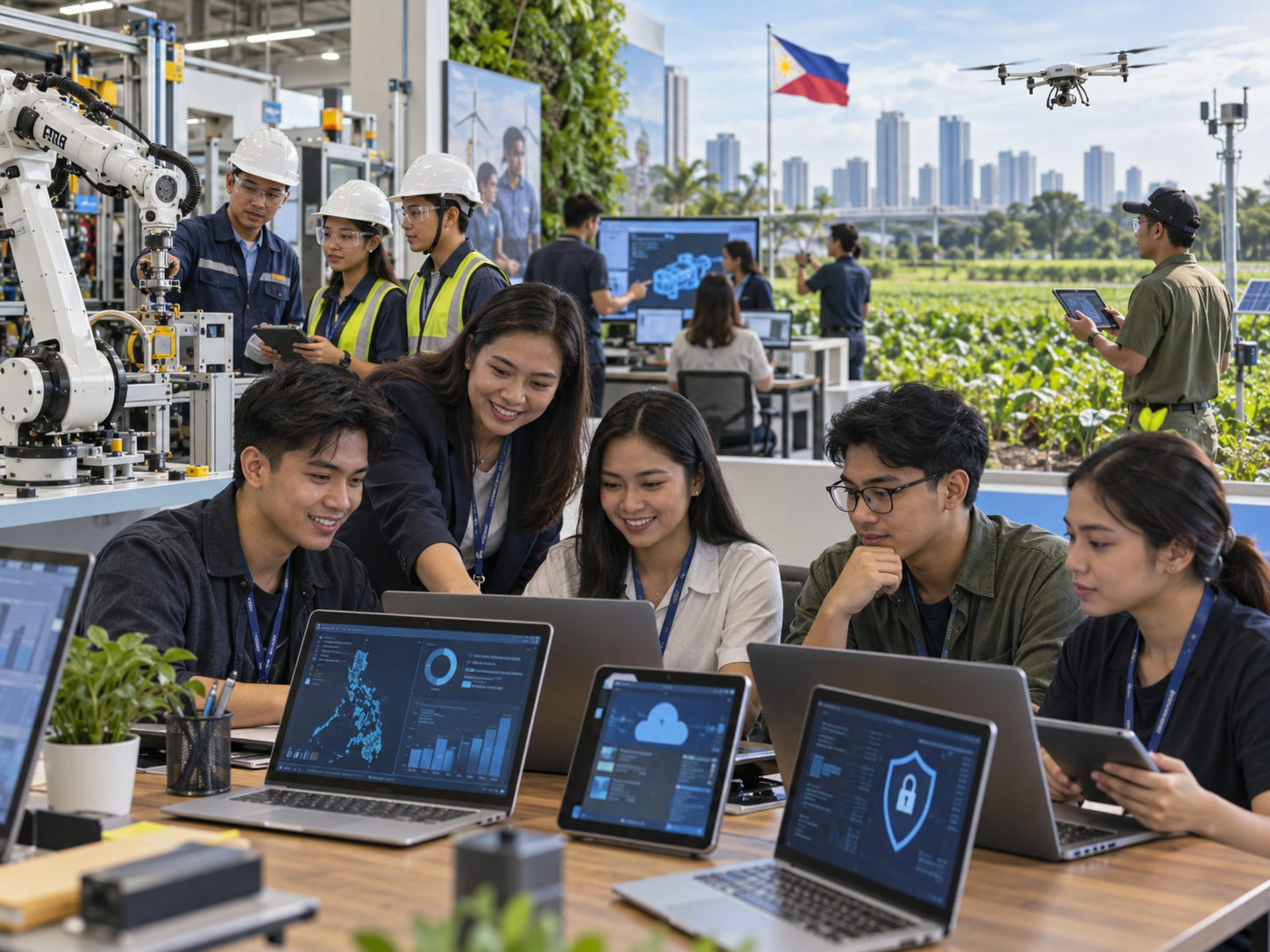
One of the biggest reasons this collaboration matters is the persistent gap between classroom learning and industry requirements. Many Filipino graduates have strong theoretical knowledge, but employers often report that new workers still need training in practical skills, communication, problem-solving, digital literacy, and adaptability. By involving companies in curriculum development, schools can design courses that reflect actual market needs. For example, information technology firms can help universities update modules on cybersecurity, cloud computing, software development, and data analytics. Manufacturing companies can advise technical schools on robotics, machine operations, quality control, and workplace safety.
The Philippines already has a strong foundation for this kind of partnership through technical and vocational education. Institutions connected with TESDA play an important role in preparing workers for sectors such as construction, hospitality, healthcare support, agriculture, electronics, and automotive services. When businesses participate in training design, provide equipment, or offer workplace immersion, learners gain a clearer understanding of professional standards. Apprenticeships, internships, and dual-training programs also allow students to apply their skills in real environments before entering full-time employment.
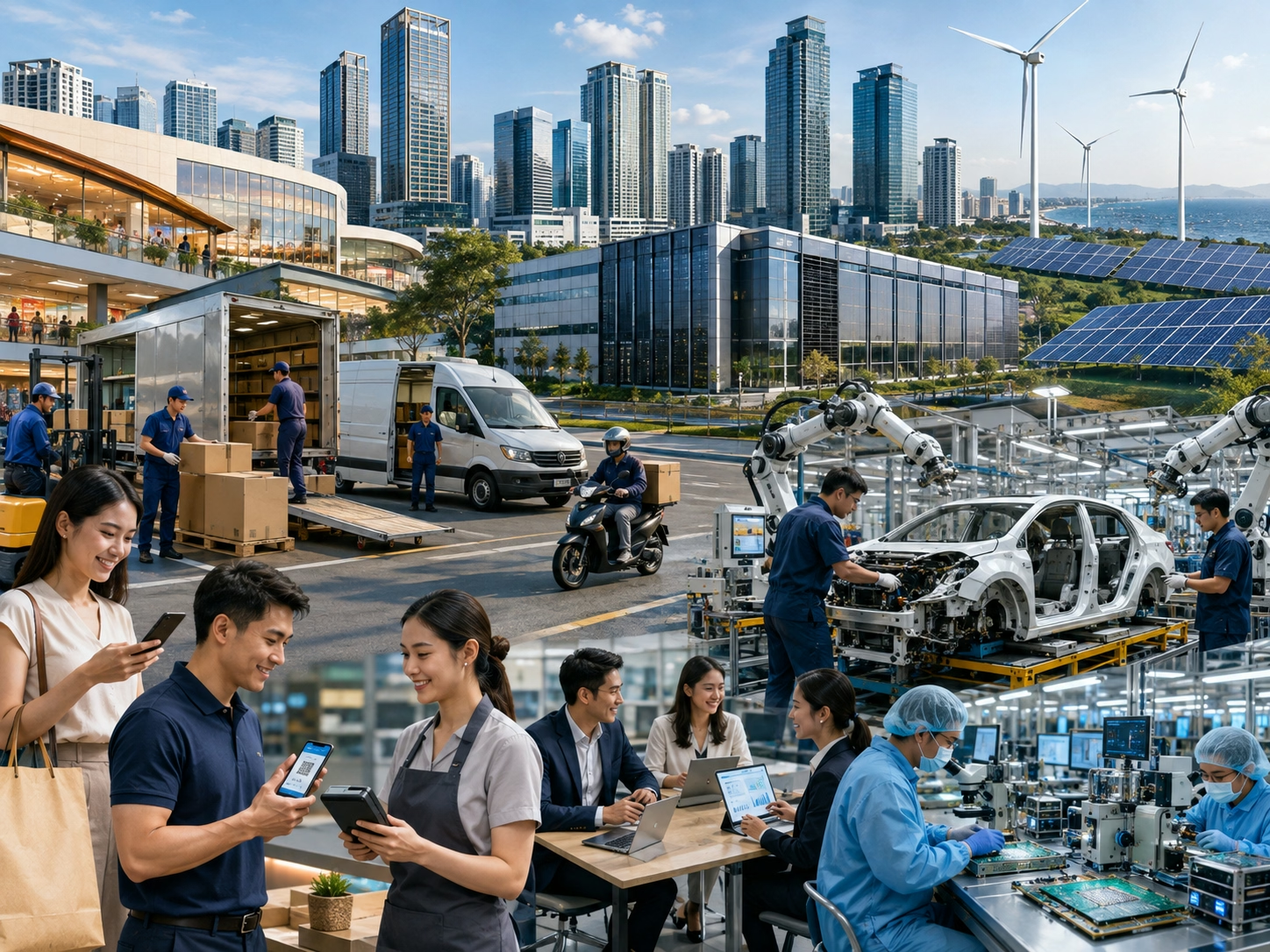
Higher education institutions also benefit from deeper engagement with industry. Universities can create advisory boards that include business leaders, entrepreneurs, technology experts, and human resource professionals. These boards can help identify emerging skill needs and recommend updates to academic programs. In fast-growing industries such as business process outsourcing, finance, logistics, digital marketing, and creative services, this type of cooperation can help graduates become more competitive. It also encourages research partnerships, where universities support innovation and businesses turn academic knowledge into practical solutions.
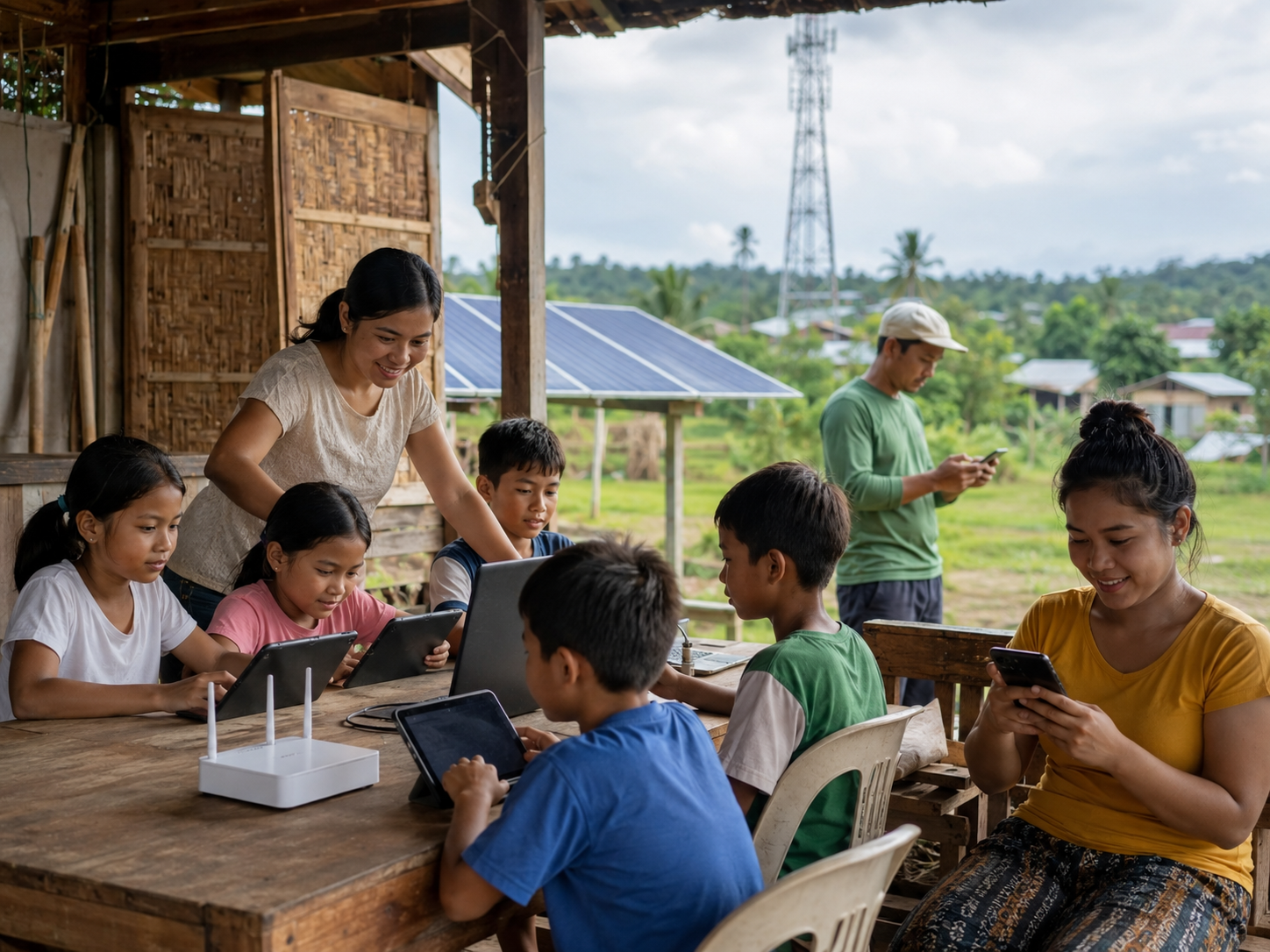
For companies, education partnerships are not merely acts of social responsibility. They are strategic investments in future talent. Businesses that help train students can reduce recruitment costs, improve employee retention, and build a workforce that understands company culture early. They can also support inclusive growth by reaching students from rural communities, low-income families, and underserved regions. Scholarship programs, mentoring, career talks, and community-based training can open opportunities for young Filipinos who might otherwise struggle to access quality employment.
However, effective collaboration requires careful planning. Schools and businesses must avoid partnerships that are too shallow or short-term. A one-time seminar is helpful, but it is not enough to transform workforce readiness. Long-term agreements, measurable learning outcomes, shared funding, teacher training, updated equipment, and regular industry feedback are needed. Educators must also ensure that training does not become too narrow. Workers of the future need technical expertise, but they also need creativity, ethics, leadership, teamwork, and lifelong learning habits.
Business and education collaboration in the Philippines can become a powerful driver of national development. When companies and schools share responsibility for skills formation, students become more employable, businesses become more productive, and communities gain access to better opportunities. The workforce of the future will not be built by education alone or by industry alone. It will be shaped by strong partnerships that connect knowledge, practice, innovation, and inclusive economic growth.









Leave a Reply