


The digital economy has emerged as a central force in global development, and the Philippines is no exception. Over recent years, companies in the country have played a crucial role in fostering and accelerating the growth of this new economic landscape. With a rapidly expanding internet infrastructure and a growing mobile penetration rate, Filipino businesses have embraced digital transformation to stay competitive and cater to the evolving needs of consumers.
One of the most significant contributions of Philippine companies to the digital economy is their investment in technology and innovation. Leading firms in sectors such as finance, retail, and telecommunications are constantly adopting new digital solutions to enhance their operations. For instance, financial institutions have launched online banking platforms, mobile payment solutions, and e-wallet services to cater to the increasing demand for cashless transactions. This has helped to promote financial inclusion, allowing people in remote areas to access banking services.
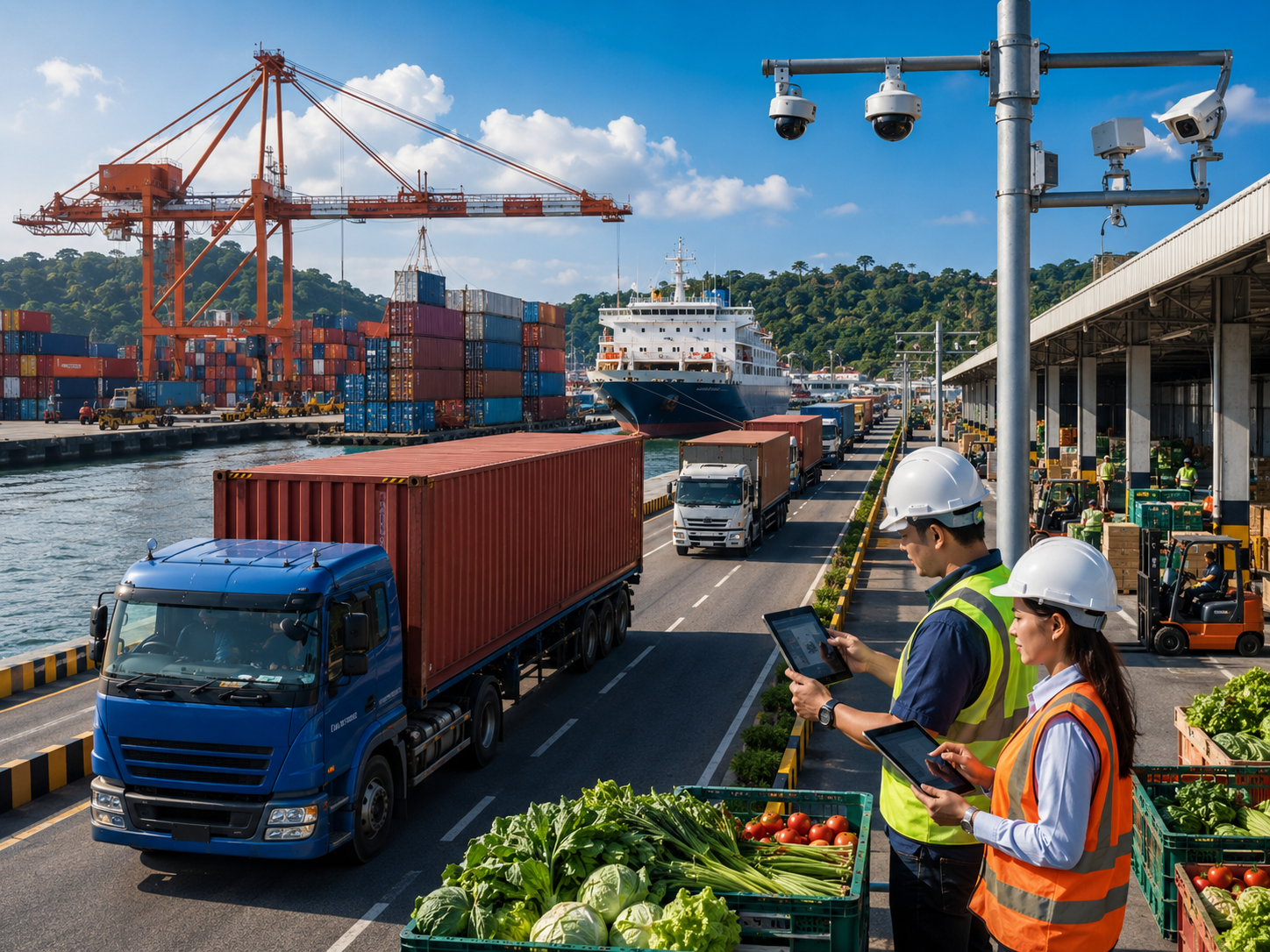
In addition to financial services, the retail industry has also benefited from the digital transformation. Companies in the retail sector have embraced e-commerce, with online stores becoming a staple for many businesses. Platforms like Lazada, Shopee, and Zalora have revolutionized the shopping experience for Filipinos, enabling them to purchase goods from anywhere at any time. This shift has also driven the growth of the logistics and supply chain industries, as companies now need to ensure efficient delivery systems to meet the rising demand for online shopping.
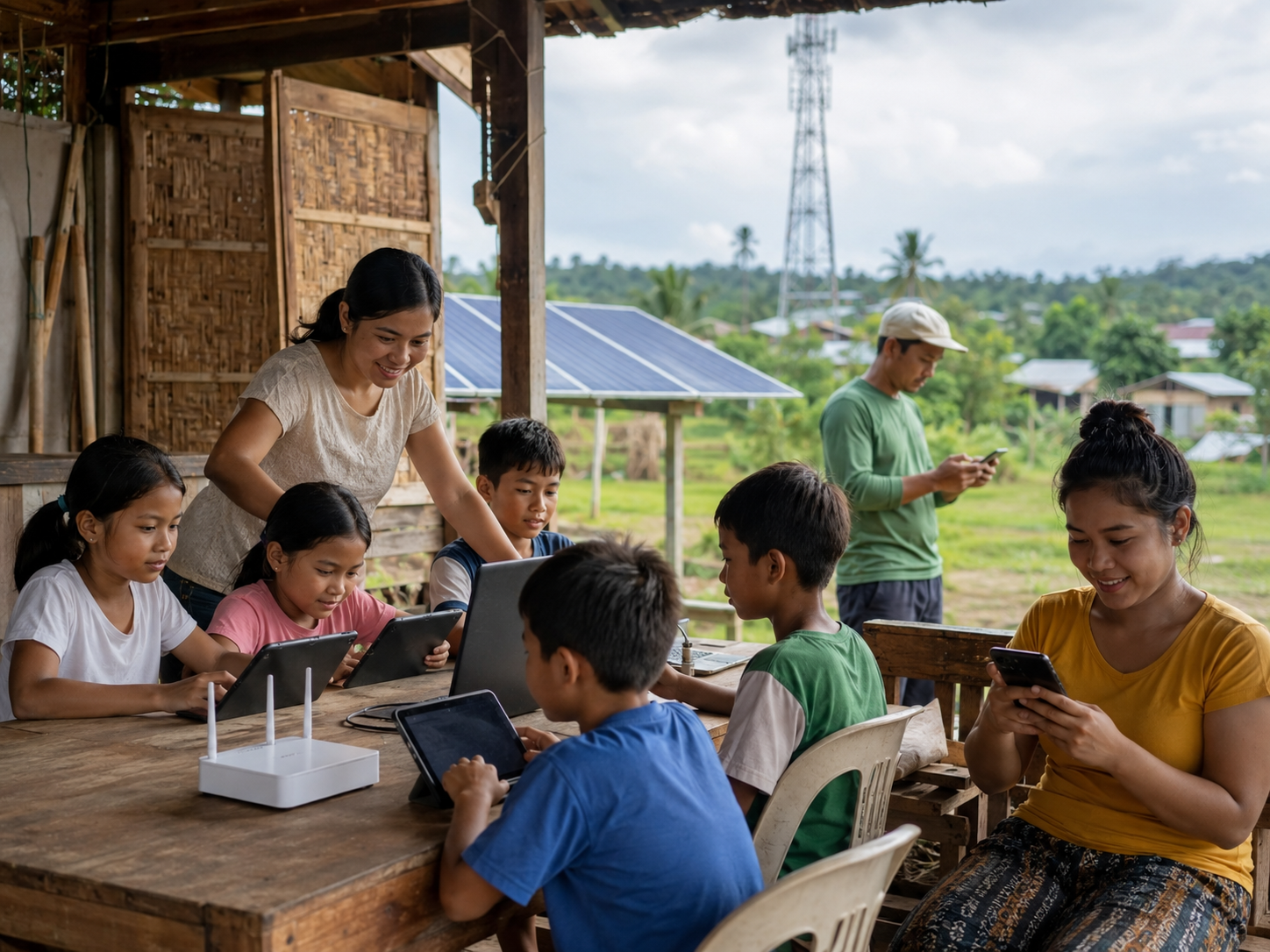
Telecommunications companies, such as PLDT and Globe, have also been instrumental in supporting the digital economy in the Philippines. By improving internet connectivity and expanding broadband coverage across the country, they have provided the necessary infrastructure to support digital business operations. These companies have also partnered with government initiatives to promote digital literacy and support small and medium-sized enterprises (SMEs) in embracing technology.
Moreover, the rise of the digital economy in the Philippines has led to the growth of new industries, such as the business process outsourcing (BPO) sector. Philippine companies have capitalized on the country’s skilled and cost-effective workforce, offering services like customer support, IT services, and digital marketing to clients around the world. The BPO sector alone contributes a significant portion to the country’s GDP, and it continues to grow as companies adopt more sophisticated digital tools to deliver services remotely.
As the digital economy expands, businesses in the Philippines are also prioritizing cybersecurity. With the increasing number of cyber threats, companies are investing heavily in protecting their data and systems from potential attacks. This has led to the emergence of cybersecurity firms in the country, which provide services ranging from threat detection to incident response. By securing the digital infrastructure, these companies are helping to ensure the long-term sustainability of the digital economy in the Philippines.
The Philippine government has also played a key role in supporting the digital economy by creating favorable policies and initiatives. Programs aimed at digital skills training, internet accessibility, and support for tech startups have further bolstered the country’s digital ecosystem. By working hand-in-hand with the private sector, the government has created an environment conducive to digital growth, which benefits businesses and consumers alike.










Leave a Reply