


The banking sector in the Philippines is undergoing a significant transformation as it embraces digitalization and seeks closer integration with the global financial system. In recent years, technological advances have radically altered how banks operate, pushing them towards adopting digital services, which are vital for remaining competitive in the global marketplace.
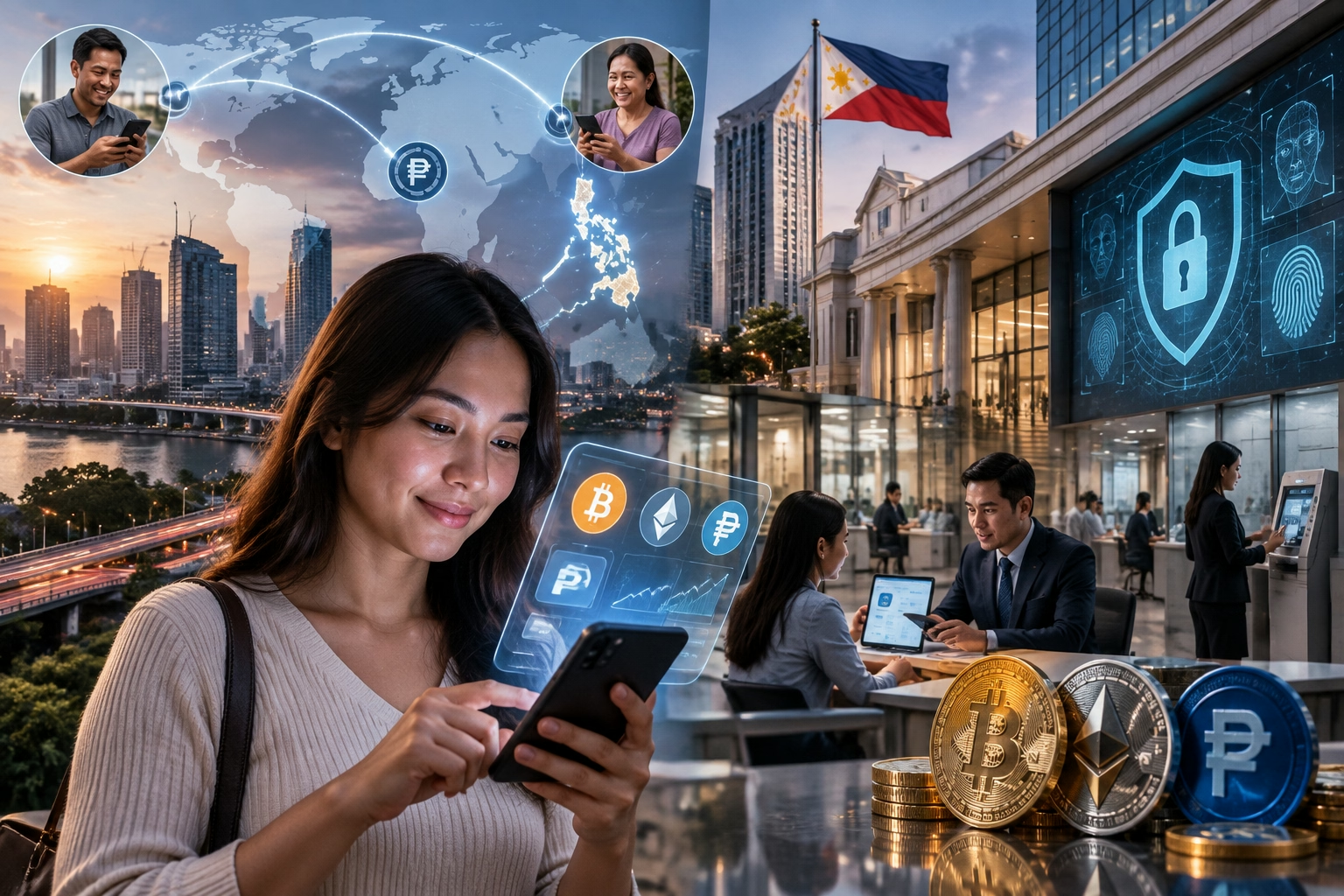
Digitalization plays a key role in enhancing banking services in the Philippines. Mobile banking, online transactions, and digital wallets are becoming mainstream, providing customers with greater convenience and accessibility. According to the Bangko Sentral ng Pilipinas (BSP), the number of digital transactions in the country has surged, as Filipinos increasingly turn to their smartphones for banking services. This trend has been accelerated by the COVID-19 pandemic, which highlighted the need for contactless financial solutions.
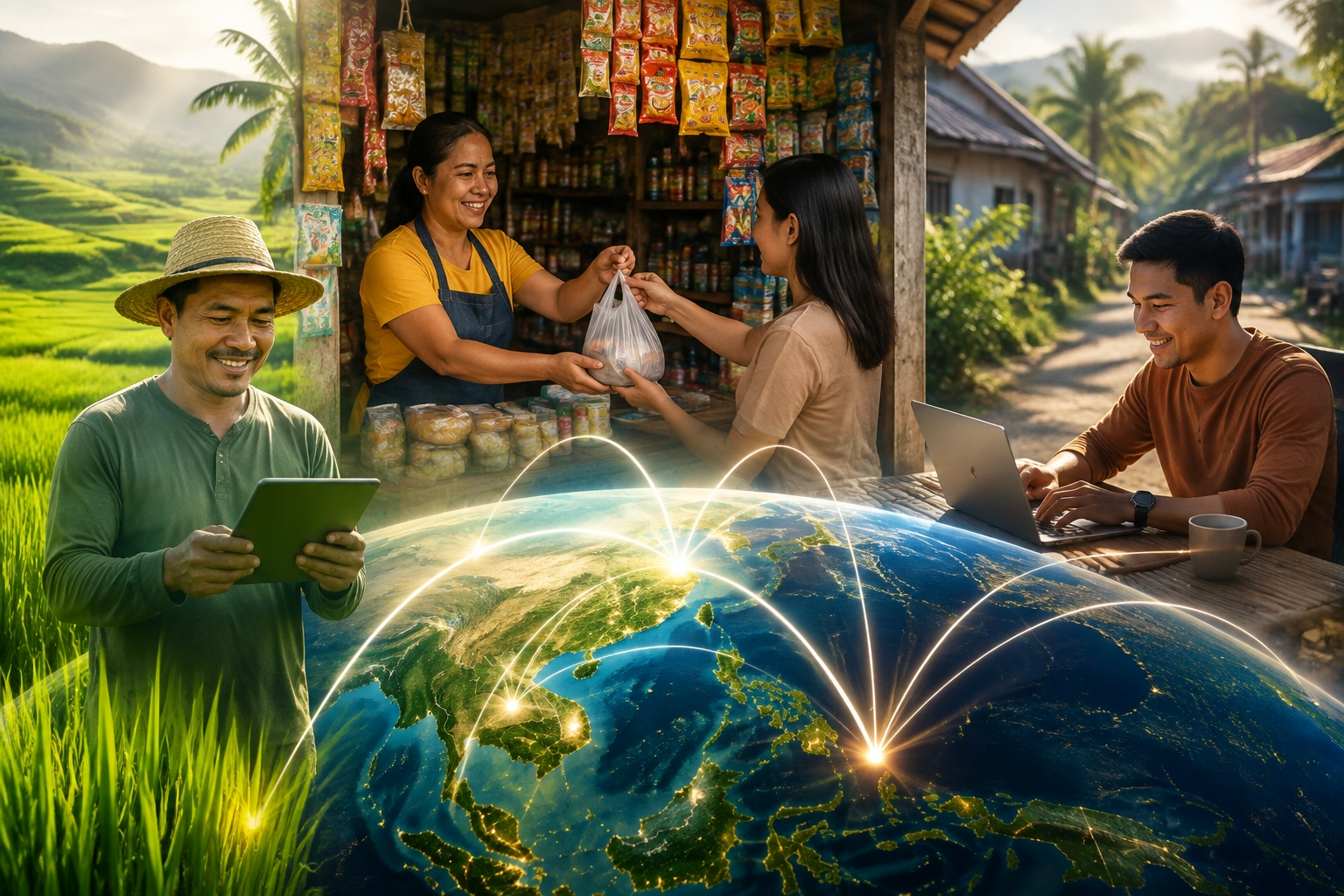
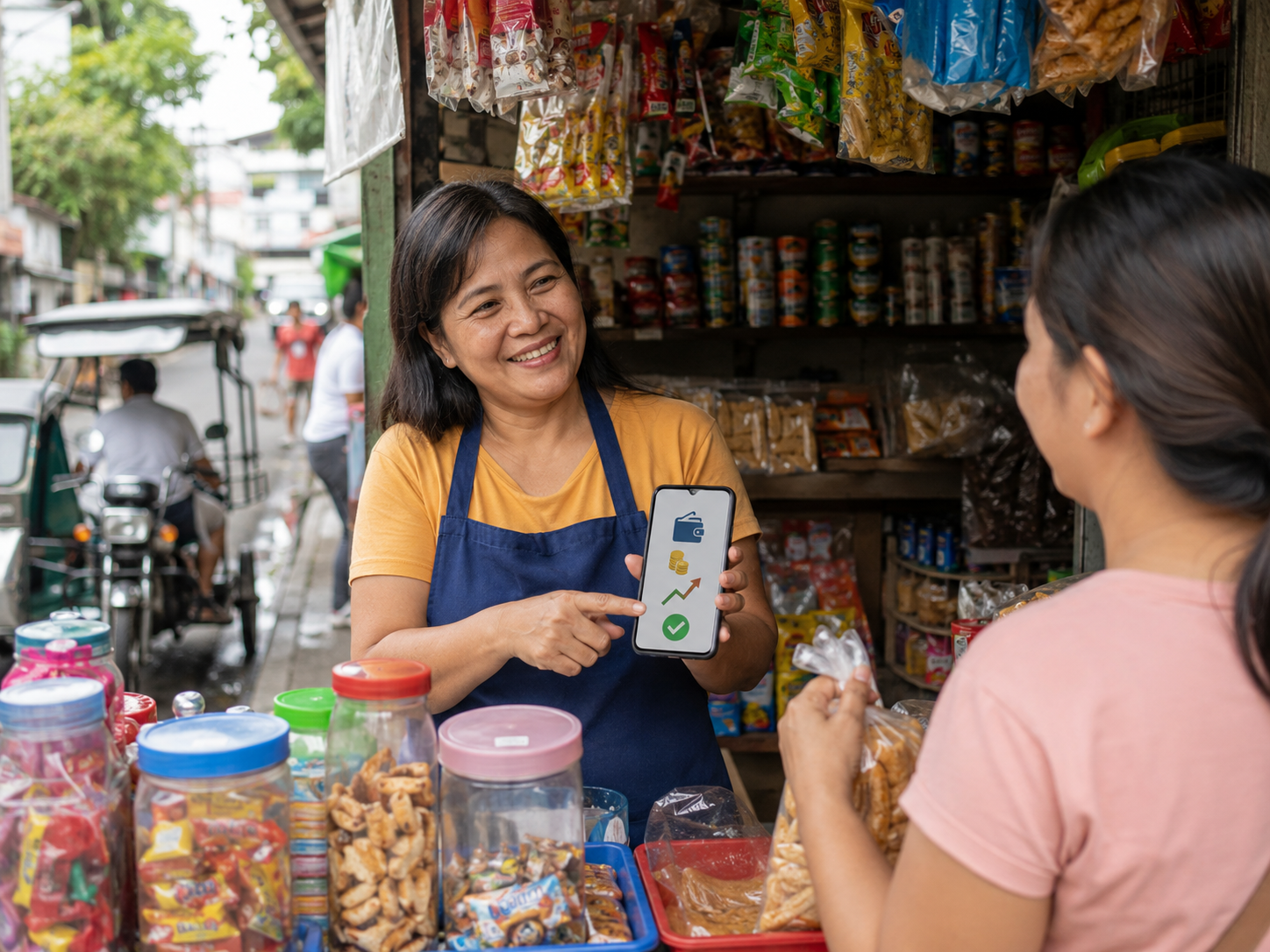
The push for digital banking is also supported by the Philippine government, which has rolled out several initiatives aimed at expanding financial inclusion. Programs like the National Retail Payment System (NRPS) and the Financial Technology (FinTech) ecosystem have paved the way for a more connected and accessible financial landscape. These efforts aim to bring more Filipinos into the formal banking system, especially in remote and underserved areas.
Global integration is another critical factor shaping the future of Philippine banking. As the world becomes more interconnected, Philippine banks are increasingly looking beyond local borders to tap into global markets. By adopting international banking standards and leveraging new technologies, banks in the Philippines are positioning themselves as regional players in the ASEAN market and even beyond. Global partnerships with international financial institutions are also enabling Filipino banks to access new financial products and services, strengthening their competitive edge.
Moreover, the rise of FinTech companies has prompted traditional banks to rethink their business models. These startups are disrupting the financial services industry by offering innovative, customer-centric solutions that challenge the conventional banking system. The Philippine government has responded by enacting regulations to strike a balance between fostering innovation and ensuring consumer protection.
One example of this trend is the increased use of blockchain technology. Philippine banks are exploring blockchain for its potential to streamline transactions, reduce fraud, and lower operational costs. The technology’s ability to offer secure and transparent processes has made it particularly attractive for cross-border payments and remittance services, a crucial aspect for the Philippine economy given its large overseas workforce.
While the digital transformation of the Philippine banking sector is promising, there are challenges to overcome. Cybersecurity remains a significant concern, as banks face increasing risks of data breaches and cyberattacks. Additionally, there is a need for greater digital literacy among the Filipino population to ensure that all segments of society can benefit from these technological advancements.
In summary, the future of Philippine banking lies in the successful integration of digitalization and global financial standards. The sector’s ability to embrace these changes while ensuring secure, inclusive, and customer-centric services will determine its success in the coming years.









Leave a Reply