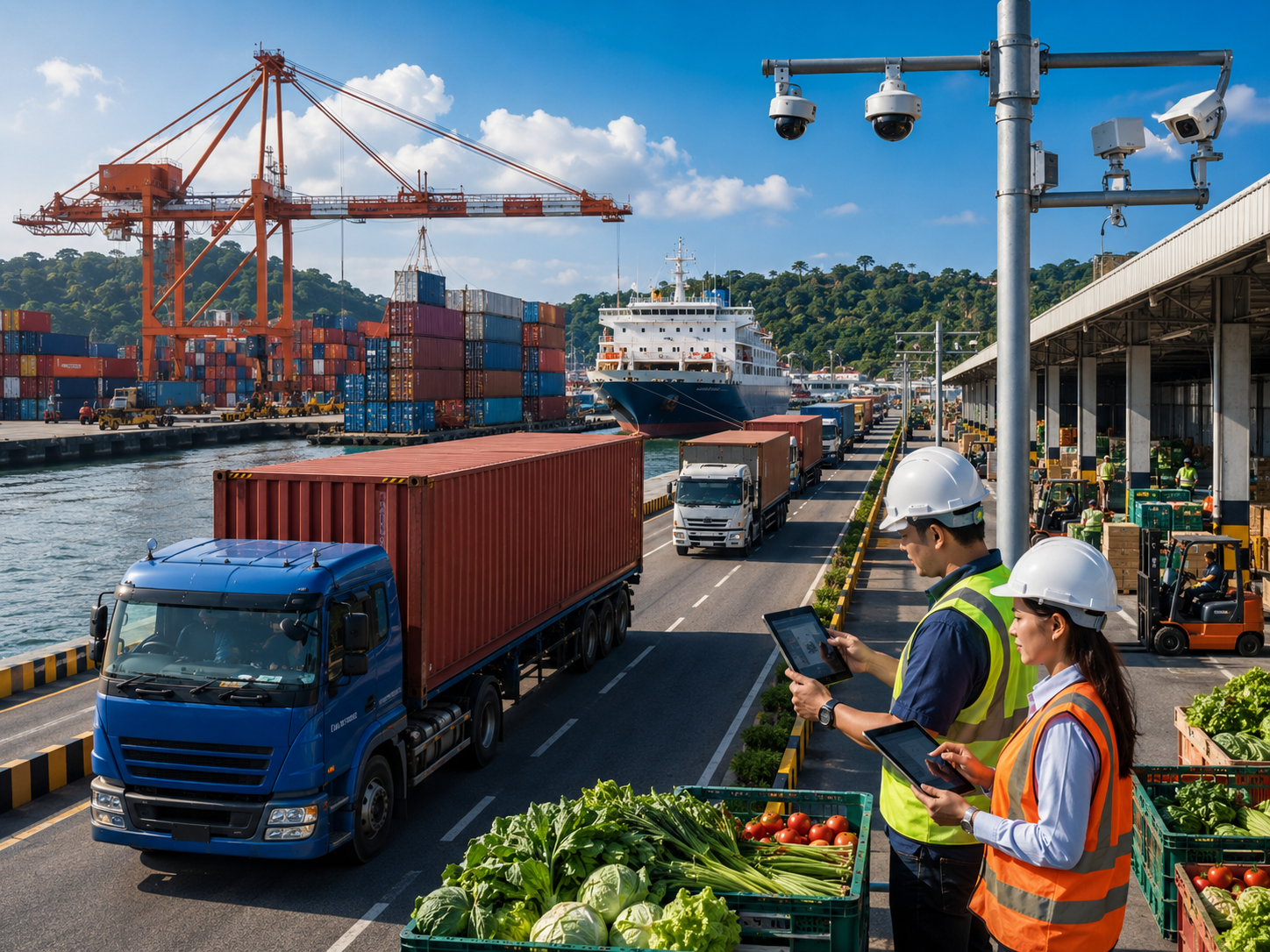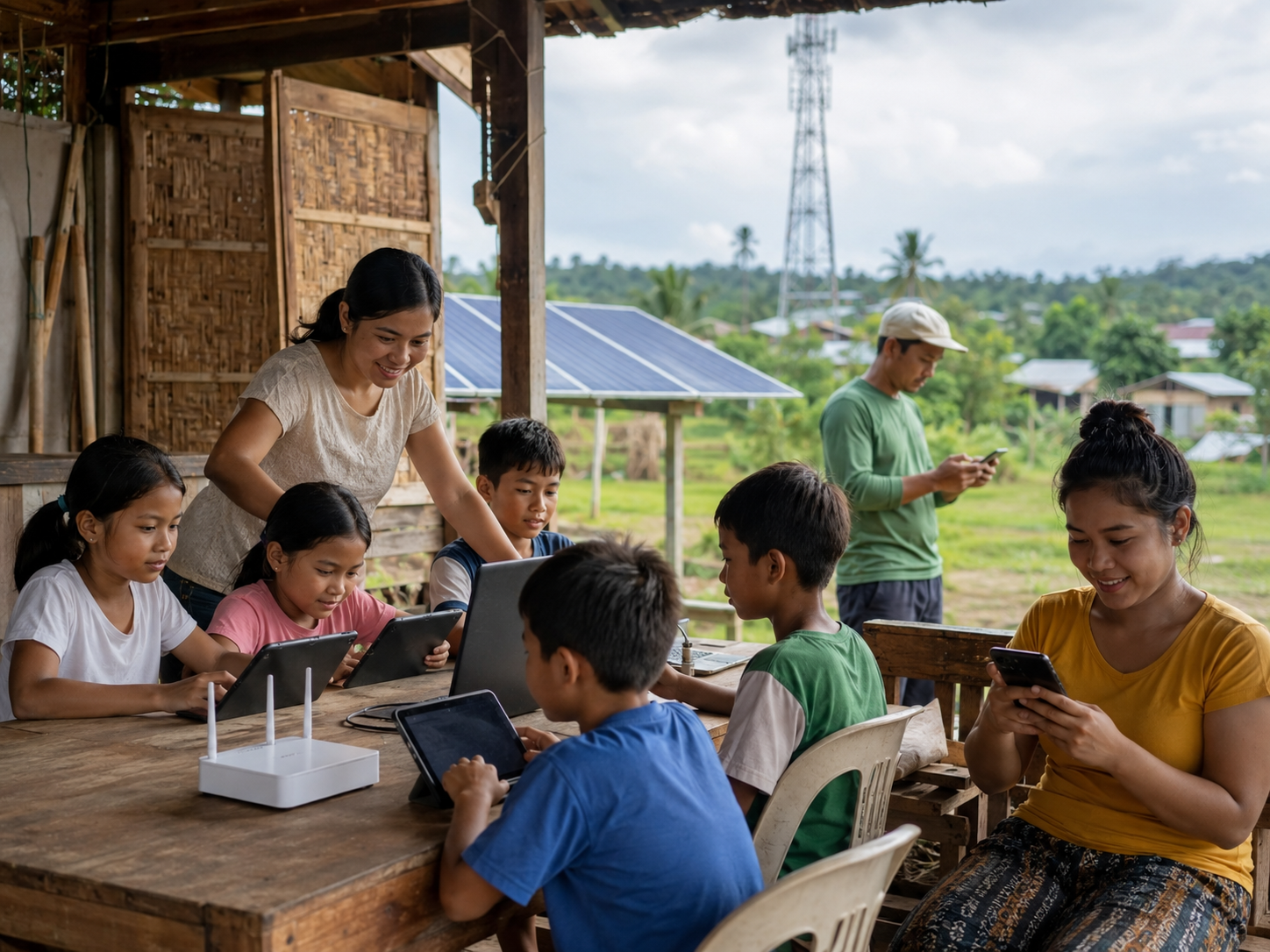


The Philippines, a country known for its youthful population and dynamic labor force, has seen substantial growth in its workforce over recent decades. One of the main factors contributing to this development is the emphasis placed on education and professional training. In a world where global competition is intensifying, education systems and professional development programs are more critical than ever for shaping a competitive workforce.
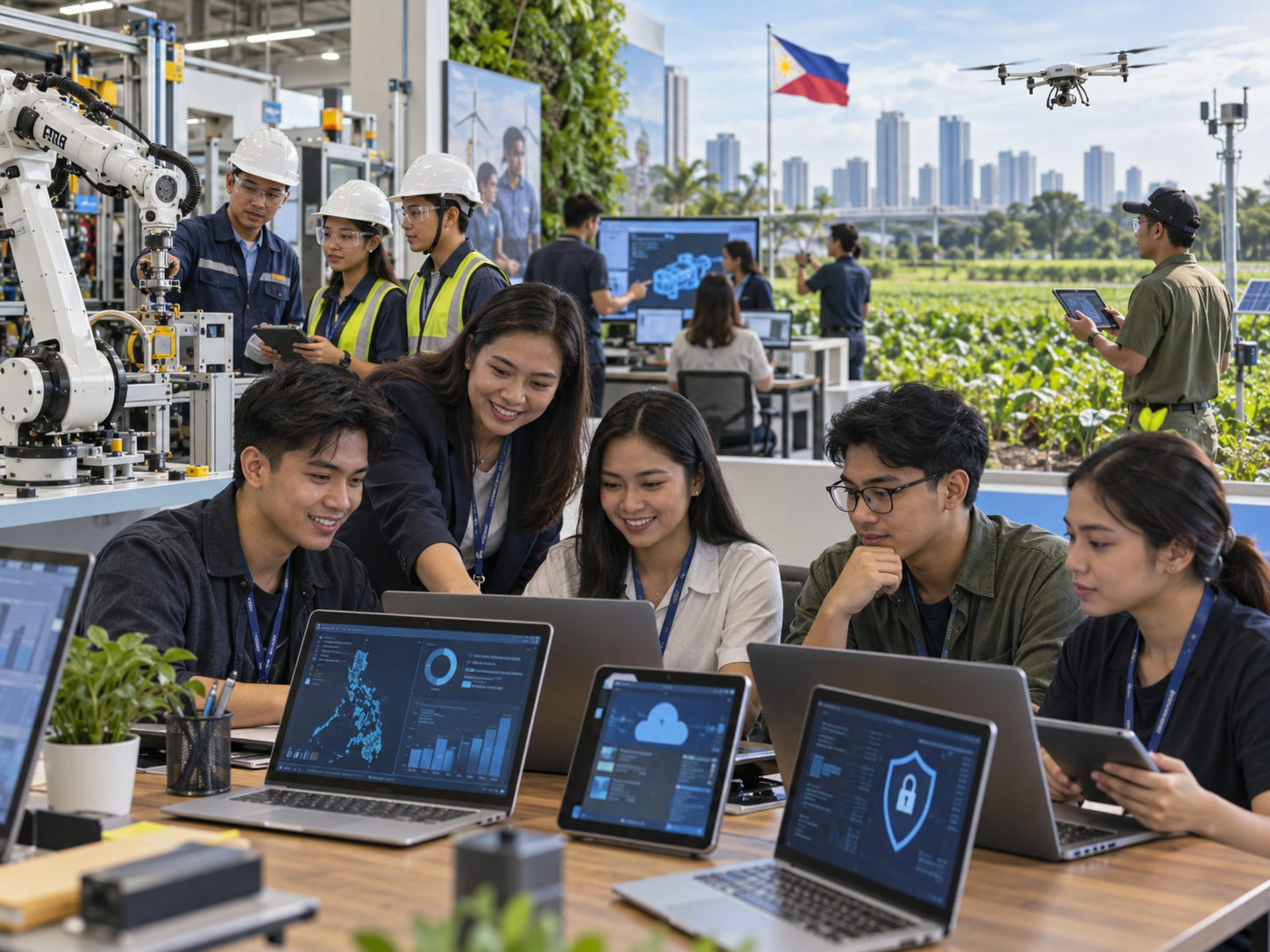
Education in the Philippines serves as the foundation for skill acquisition, and it is structured across different levels, from primary to tertiary. Philippine higher education institutions (HEIs) offer specialized programs that allow students to acquire both theoretical knowledge and practical skills. These institutions partner with industries to ensure that students’ learning is relevant to the job market.
In addition to formal education, the significance of professional training cannot be overstated. Numerous training programs across the country are designed to equip individuals with the specific competencies needed for various industries, including healthcare, information technology, engineering, and business management. These programs are typically offered by vocational schools, private companies, and government-run institutions like TESDA (Technical Education and Skills Development Authority).
TESDA has been a crucial player in this regard, offering certifications in fields such as welding, automotive repair, and computer programming. These short-term training courses enable workers to quickly gain the skills needed to meet the demands of the ever-evolving job market. As a result, many workers can enter the workforce more efficiently and contribute to economic growth.
Moreover, continuous professional development (CPD) plays a pivotal role in maintaining and improving the skills of the existing workforce. Industries in the Philippines often provide on-the-job training and workshops for employees, fostering a culture of lifelong learning. This ensures that workers stay up-to-date with industry trends and technological advancements, thus boosting productivity and ensuring job security.
A key factor in the effectiveness of both educational and professional training programs is their alignment with the needs of the global economy. With many Filipinos seeking overseas employment, programs are often designed with international standards in mind. This helps ensure that Filipino workers remain competitive on the global stage, particularly in industries like healthcare and construction, where demand for skilled workers is high.
In conclusion, education and professional training in the Philippines play an essential role in shaping a highly skilled and competitive workforce. Through the efforts of educational institutions, training programs, and continuous development initiatives, the Philippines has made significant strides in preparing its workers for the demands of an increasingly globalized economy.