

Micro, Small, and Medium Enterprises (MSMEs) play a pivotal role in the economic landscape of the Philippines. Representing more than 99% of businesses in the country, MSMEs are a major driver of employment, economic growth, and innovation. However, despite their significant contribution, these businesses face numerous challenges that hinder their full potential. Understanding the critical role of MSMEs in the Philippines and the opportunities and obstacles they encounter is essential to fostering a robust economic future.
The Importance of MSMEs in the Philippine Economy
MSMEs are the backbone of the Philippine economy, contributing about 35% to the country’s Gross Domestic Product (GDP). The sector also provides employment to over 60% of the workforce, a testament to their importance in supporting livelihoods across various communities. Beyond these numbers, MSMEs are integral in fostering innovation and local entrepreneurship. They create a diverse array of products and services, helping to shape the local economy in unique ways.
Given their massive contribution to the country’s employment rates and economic activity, MSMEs also help in regional economic development. Most MSMEs are located in rural areas, which helps reduce poverty and bridge the economic divide between urban and rural regions.
Key Challenges Facing MSMEs in the Philippines
Despite their undeniable importance, MSMEs in the Philippines face significant challenges that impede their growth and sustainability. One of the primary concerns is access to financing. Small businesses often struggle to secure loans from traditional financial institutions due to high-interest rates, lack of collateral, and stringent requirements. This makes it difficult for MSMEs to scale up, invest in technology, or improve their business operations.
Another major obstacle is the lack of digital literacy and technological infrastructure. While the digital transformation is accelerating globally, many MSMEs in the Philippines have yet to fully embrace digital tools and platforms. The absence of e-commerce and online marketing strategies limits their reach and sales potential, especially in an increasingly globalized market.
Additionally, MSMEs often encounter issues related to regulation and taxation. Bureaucratic red tape and complicated government procedures can make it difficult for small businesses to operate smoothly. Furthermore, MSMEs often face high tax rates, which can further stifle their profitability and growth.
Opportunities for Growth
While challenges exist, the Philippine government has taken several steps to promote the growth of MSMEs. One such initiative is the establishment of the Philippine Small and Medium Enterprise Development Council (PSMED), which focuses on enhancing the competitiveness of MSMEs through capacity-building programs and access to resources. The government’s push to simplify regulations and tax systems for MSMEs aims to reduce the burden on small businesses.
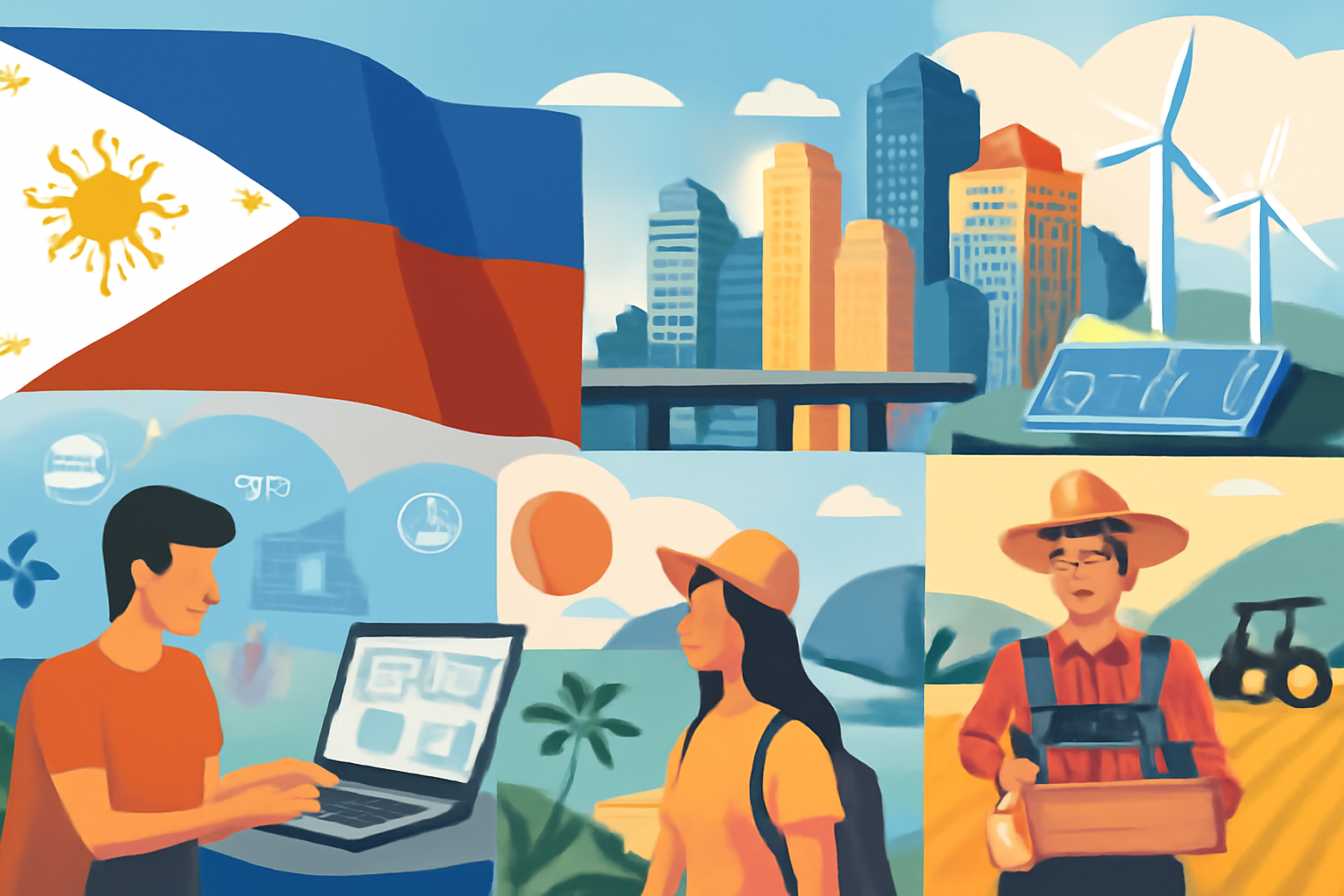
The rapid expansion of the digital economy also presents significant opportunities for MSMEs. By adopting digital technologies, businesses can tap into online marketplaces, broaden their consumer base, and increase sales. The rise of e-commerce platforms and social media marketing provides MSMEs with affordable tools to reach customers outside their immediate geographic area, making it easier for small businesses to expand nationally and even internationally.
Furthermore, the global trend of sustainability and ethical consumerism presents new growth avenues for MSMEs in the Philippines. There is growing demand for eco-friendly products, locally sourced materials, and sustainable business practices. MSMEs that adopt these principles can capitalize on these trends, differentiate themselves from competitors, and attract a loyal customer base.
The Role of Support Networks and Partnerships
Collaboration with local and international partners is another key to success for MSMEs. By joining industry associations, leveraging mentorship programs, and accessing shared resources, small businesses can overcome many of the challenges they face. Additionally, forming partnerships with larger companies or government-backed initiatives can provide MSMEs with additional support in terms of funding, expertise, and access to wider markets.
The Philippines also benefits from various international trade agreements and economic partnerships, such as those within the ASEAN Economic Community. These agreements open up new markets for MSMEs and can lead to increased export opportunities, especially for those in manufacturing, agriculture, and creative industries.
The Path Forward for MSMEs in the Philippines
The future of MSMEs in the Philippines looks promising as long as key stakeholders—government bodies, financial institutions, and private sector actors—continue to prioritize the needs of small businesses. There is a clear opportunity to enhance access to finance, streamline business regulations, and provide digital skills training to empower MSMEs to adapt to evolving market demands. With the right support and innovative strategies, MSMEs can unlock their full potential and continue to contribute to the Philippines’ economic growth and development.