

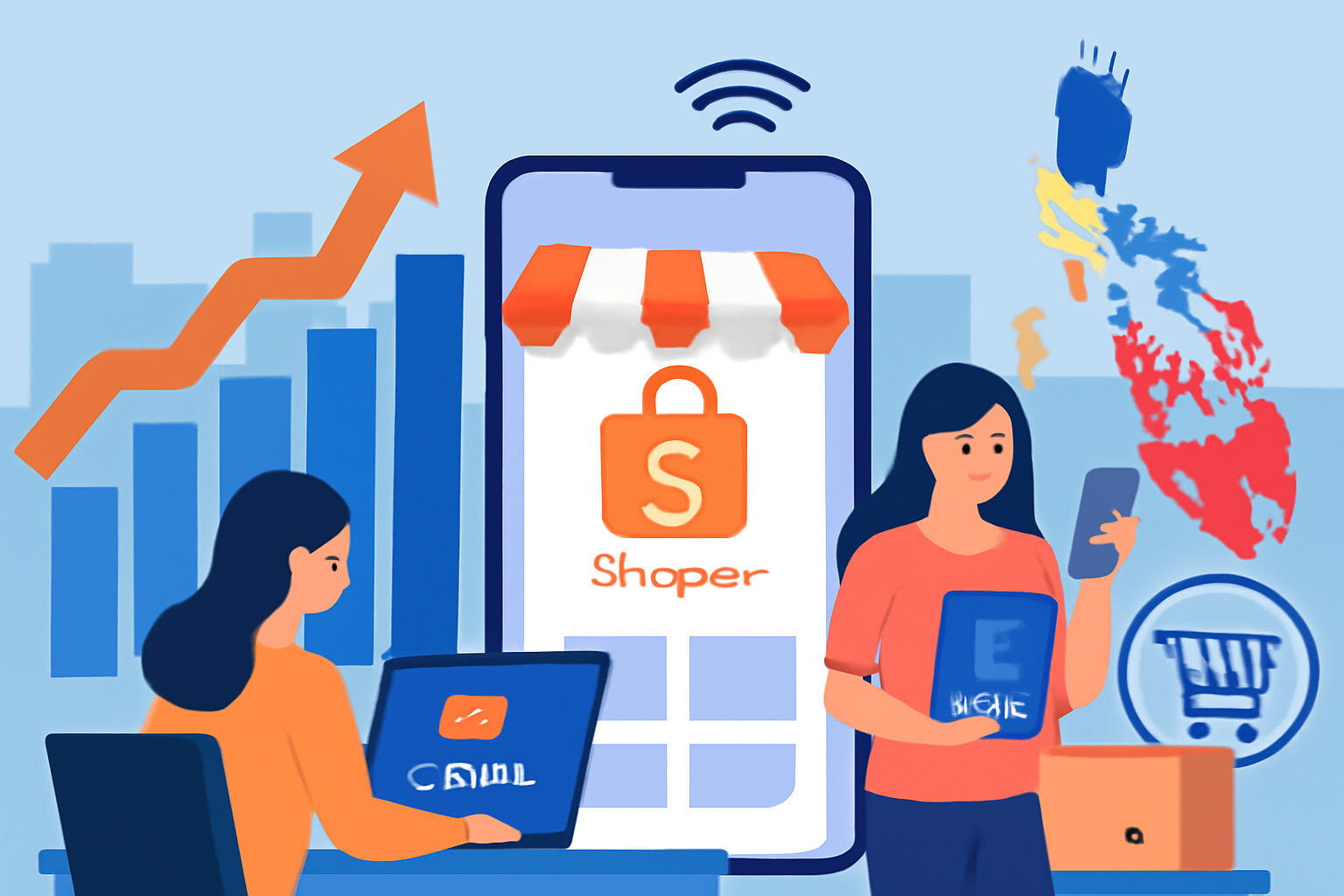
The e-commerce industry in the Philippines has experienced remarkable growth over the past few years, driven by advancements in digital technology, improved internet connectivity, and shifting consumer behavior. Several major e-commerce companies have emerged as leaders in the market, contributing to the overall digital economy’s expansion. Let’s take a closer look at some of the leading e-commerce platforms in the country and how they’ve evolved to meet the demands of Filipino consumers.
Lazada Philippines
As one of the largest e-commerce platforms in Southeast Asia, Lazada has cemented its place in the Philippine market. Launched in 2012, Lazada quickly became a household name due to its wide range of products spanning from electronics to fashion. What set Lazada apart from its competitors in the early years was its focus on providing a seamless shopping experience, backed by a robust logistics network. The platform made it easier for local vendors and international sellers to tap into the Filipino consumer market.
Over the years, Lazada has continually enhanced its platform, focusing on improving customer experience through tailored promotions, a user-friendly interface, and various payment options. The company’s continuous expansion of its logistics infrastructure has further strengthened its position in the country.
Shopee Philippines
Shopee, which entered the Philippine market in 2015, has also established itself as a formidable competitor in the region. The app-based e-commerce platform, backed by Sea Group, has revolutionized online shopping with its interactive features like in-app games and promotions, making shopping a more enjoyable experience for users. Its ability to offer flash sales, competitive prices, and an intuitive interface has made it highly attractive to Filipino consumers.
Shopee’s consistent growth can also be attributed to its strong social media presence and marketing strategies that resonate well with the younger demographic. The platform offers a variety of products from beauty items to home appliances, ensuring it caters to a wide audience.
Zalora Philippines
Zalora, a prominent online fashion retailer in the Philippines, has become synonymous with trendy and affordable clothing. Zalora’s model is centered around providing a diverse selection of clothing, accessories, and footwear, with an emphasis on local and international brands. Zalora stands out for its strong focus on fashion trends and its ability to provide an efficient shopping experience that appeals to fashion-conscious consumers.
Over the years, Zalora has also established its own delivery network, offering same-day delivery in select locations. Its exclusive deals and collaborations with well-known brands have contributed to its continued success in the market.
The Rise of E-commerce in the Philippines
The rise of e-commerce in the Philippines has been fueled by various factors, such as the increasing number of internet users and the growing smartphone penetration. Today, the Philippines has one of the highest rates of social media engagement in the world, making it an ideal market for e-commerce companies to engage with customers. Additionally, the government’s push to improve digital infrastructure and encourage financial inclusivity has played a key role in promoting online shopping.
The Filipino population’s growing preference for convenience and the ability to shop from the comfort of their homes have significantly contributed to the sector’s development. The ease of online payments through digital wallets and credit cards has also simplified the purchasing process, making online shopping even more appealing.
As the e-commerce sector in the Philippines continues to evolve, these companies, along with emerging players, are positioning themselves for long-term growth. The market’s competitive landscape ensures that consumers benefit from greater options, better services, and competitive prices.