
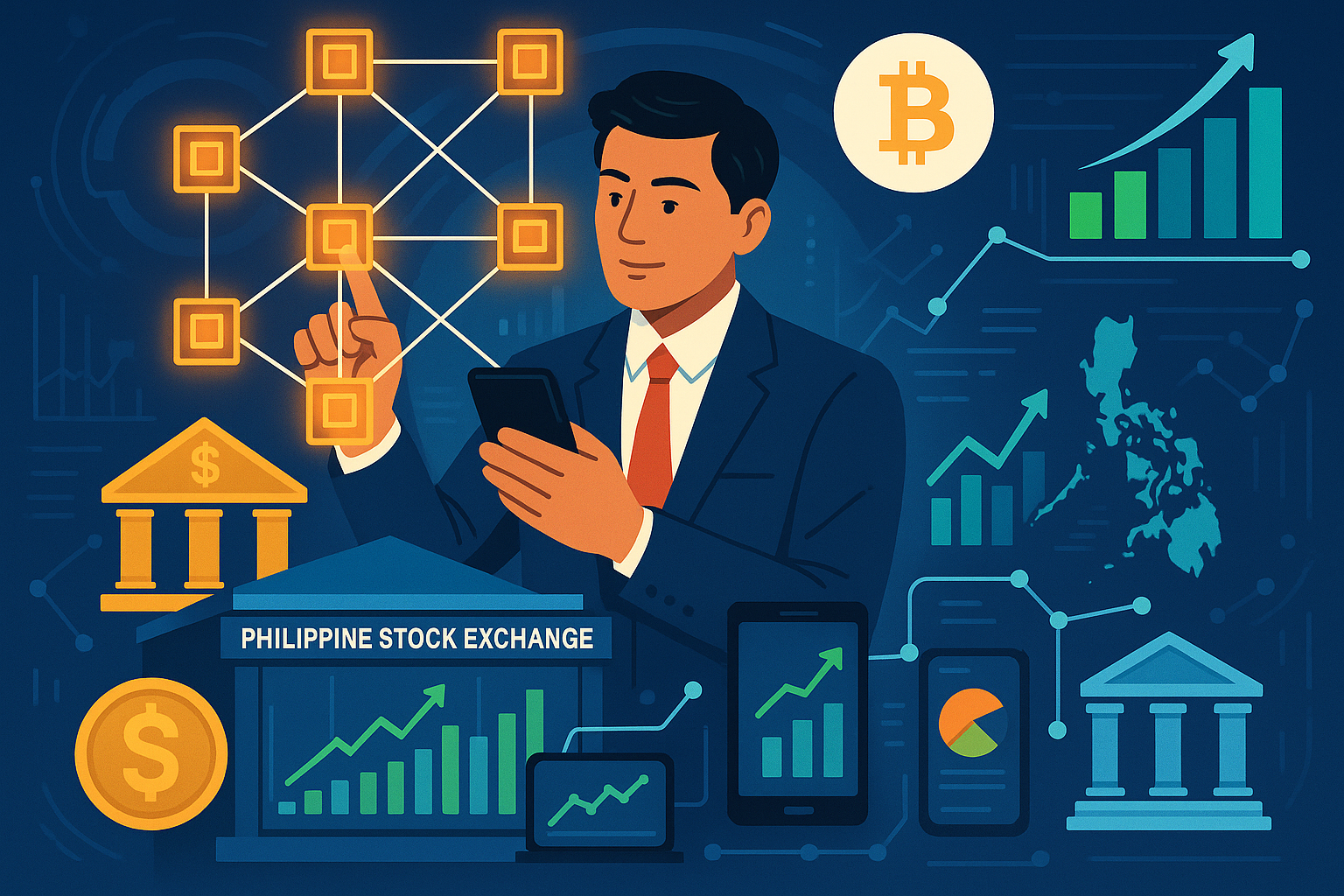
Over the past decade, technology has reshaped the Philippine stock market in ways that would have seemed impossible when trades were still done via phone calls and paper forms. The Philippine Stock Exchange (PSE) has gradually embraced digital tools to improve market access, efficiency, and transparency, bringing in a new generation of retail investors.
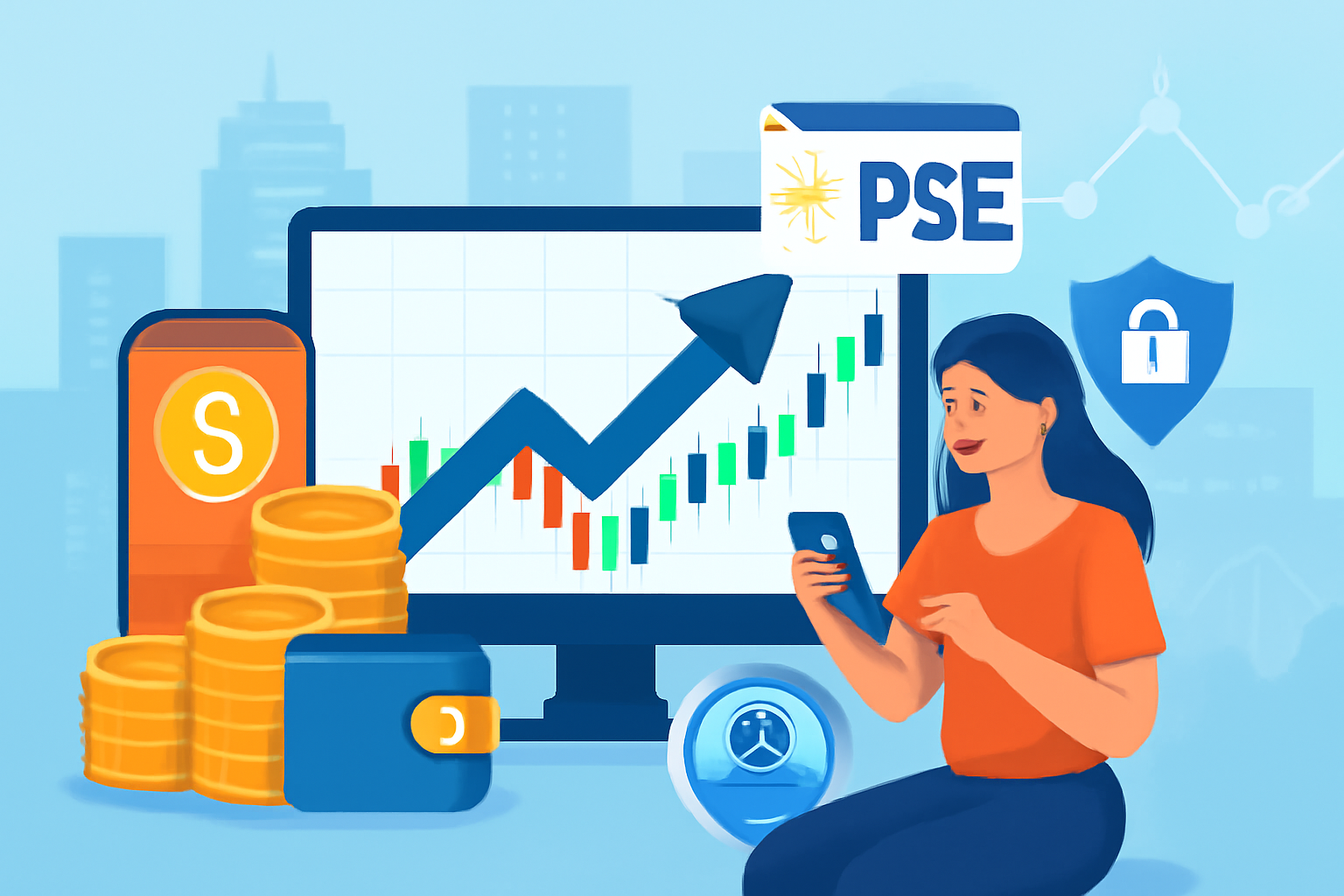
One of the most visible changes is the rise of online and mobile trading platforms. Licensed brokers now offer user-friendly web dashboards and smartphone apps where investors can view real-time quotes, place buy or sell orders, and monitor their portfolios from virtually anywhere. This shift has significantly lowered barriers to entry. Filipinos who live outside Metro Manila or work overseas can now participate in the local market without visiting a broker’s office.
Technology has also enhanced the speed and reliability of trade execution. Modern electronic matching engines process large volumes of orders in milliseconds, reducing slippage and making prices more reflective of current demand and supply. Many brokers provide advanced order types—such as limit, stop, and good-till-cancelled orders—that help investors manage risk and automate parts of their strategies. Behind the scenes, straight-through processing systems link front-end platforms with back-office operations, minimizing manual errors and delays in settlement.
Another important development is the integration of digital payments and electronic Know Your Customer (eKYC) procedures. Investors can fund their trading accounts using online banking or e-wallets, instead of physically depositing checks or cash. Meanwhile, digital onboarding allows new clients to submit documents, verify identities, and open accounts remotely. This has been particularly crucial in a country spread across many islands, where physical access to financial centers can be limited.
Data and analytics tools also play a central role in the market’s technological transformation. Real-time market data, interactive charts, screeners, and news feeds are now standard features on most trading platforms. More sophisticated investors subscribe to premium research, algorithmic alerts, or even use third-party analytics tools to detect patterns in price and volume. These capabilities help traders make better-informed decisions and encourage a more analytical investing culture.
However, the growing reliance on technology brings new challenges. Cybersecurity is a major concern, given the increasing number of attacks on financial institutions worldwide. Brokers and the exchange must continuously invest in robust security frameworks, encryption, and intrusion detection systems. At the same time, there is a risk of widening inequality between tech-savvy investors who can fully leverage digital tools and those who struggle with digital literacy or lack stable internet access.
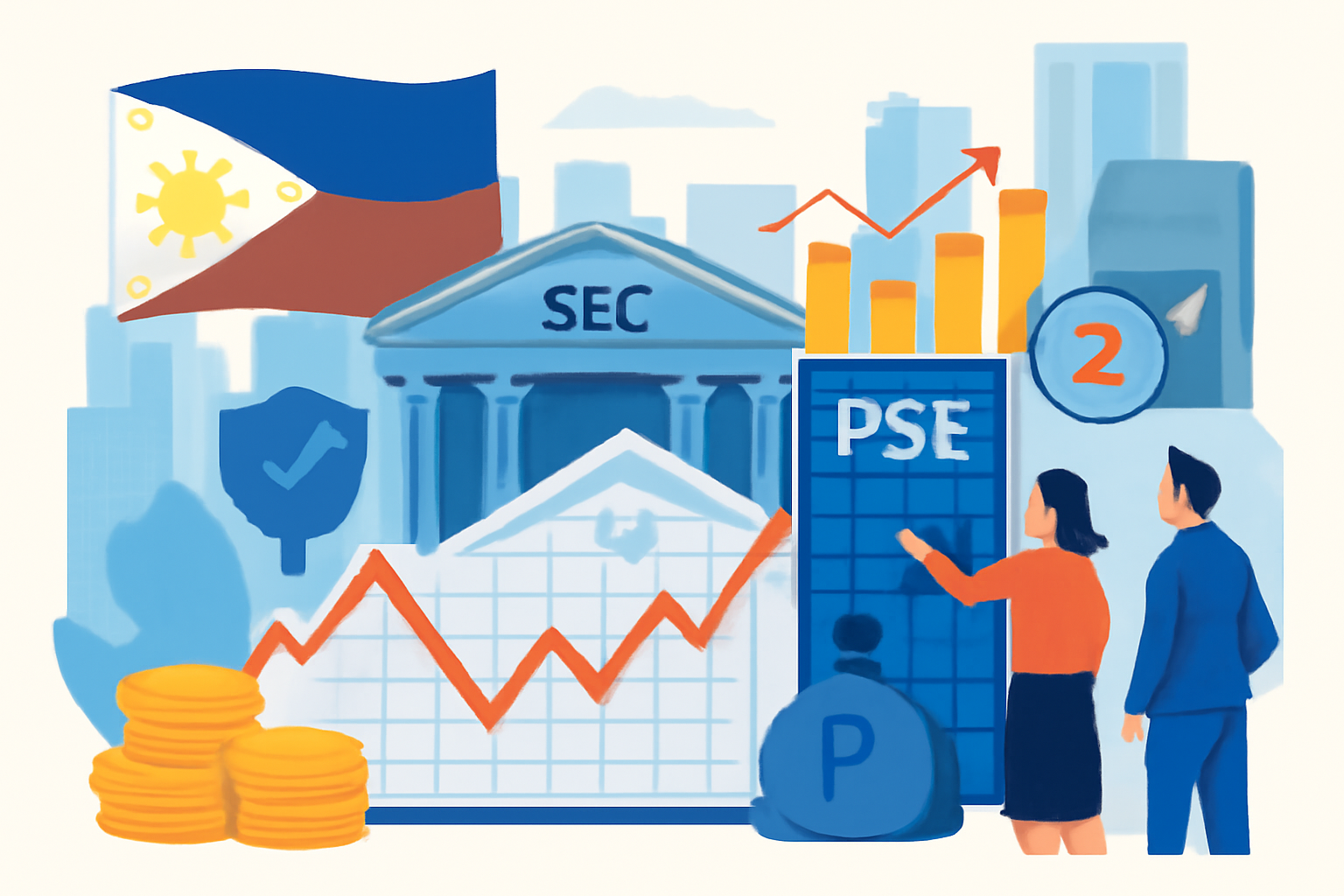
Regulators must also keep pace with innovation. The Philippine Securities and Exchange Commission (SEC) and the PSE need to craft rules that address online trading, algorithmic strategies, and potential market manipulation in a digital environment. Balancing investor protection with innovation is an ongoing task, requiring collaboration with industry players and technology providers.
Overall, technology has undeniably transformed the Philippine stock market from a relatively exclusive domain into a more open, data-driven ecosystem. As digital infrastructure improves and more Filipinos gain access to online financial services, the role of technology in shaping market behavior, regulation, and investor education will only grow more significant.