

A New Chapter for the Philippine Capital Market
The Philippine Real Estate Investment Trust (REIT) market entered a new era in 2026. On January 8, 2026, the Securities and Exchange Commission (SEC) issued Memorandum Circular No. 1, Series of 2026, fundamentally expanding the range of assets eligible for REITs far beyond traditional commercial property. The regulation took effect on January 25, 2026, and immediately became a catalyst for new listings on the Philippine Stock Exchange (PSE).
This change is not merely a technical adjustment. It is a strategic repositioning that places the Philippines as a competitive destination for global capital seeking exposure to productive infrastructure. PSE President and CEO Ramon S. Monzon stated that the enhanced REIT framework has proven to be a strong catalyst for new listings, with an immediately positive market response.
A New Definition of Eligible Assets
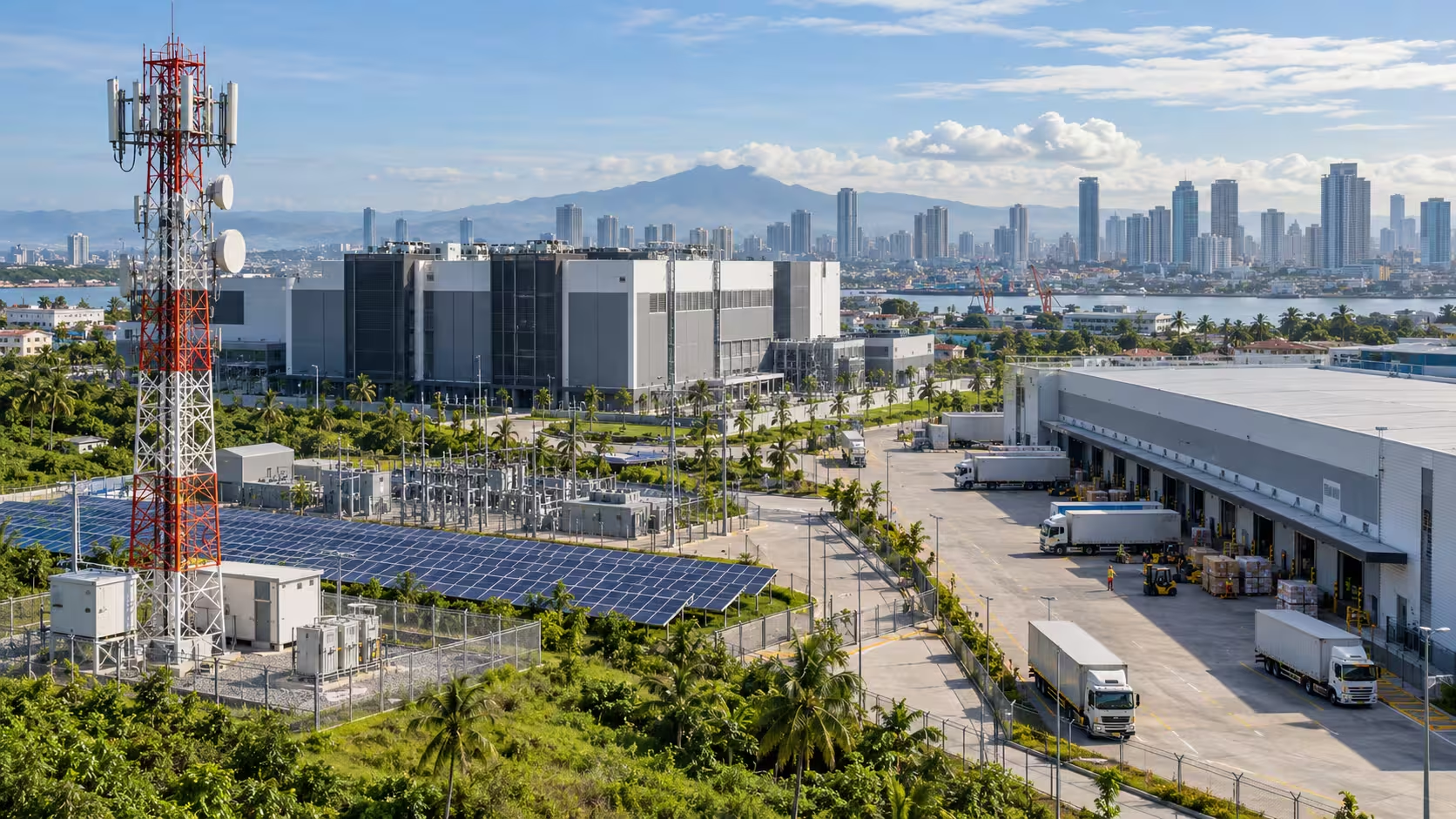
At the heart of this reform is a reinterpretation of “income-generating real estate.” Previously, REITs could only own properties such as office buildings, malls, and commercial developments. Now, the list includes telecommunications towers, data centers, toll roads, energy infrastructure, and logistics facilities. Even assets that generate recurring and predictable cash flows from non-rent sources such as toll fees, user charges, tickets, parking, and storage are now recognized as part of income-generating property.
The SEC also explicitly allows REITs to own assets through investment vehicles such as Special Purpose Vehicles (SPVs) and registered joint ventures, provided the REIT owns at least two-thirds of the outstanding voting capital stock of the entity. This structural flexibility opens the door for developers with diverse asset portfolios to enter the public market without sacrificing operational control.
Real Case Study: Vitro REIT and Toll Roads
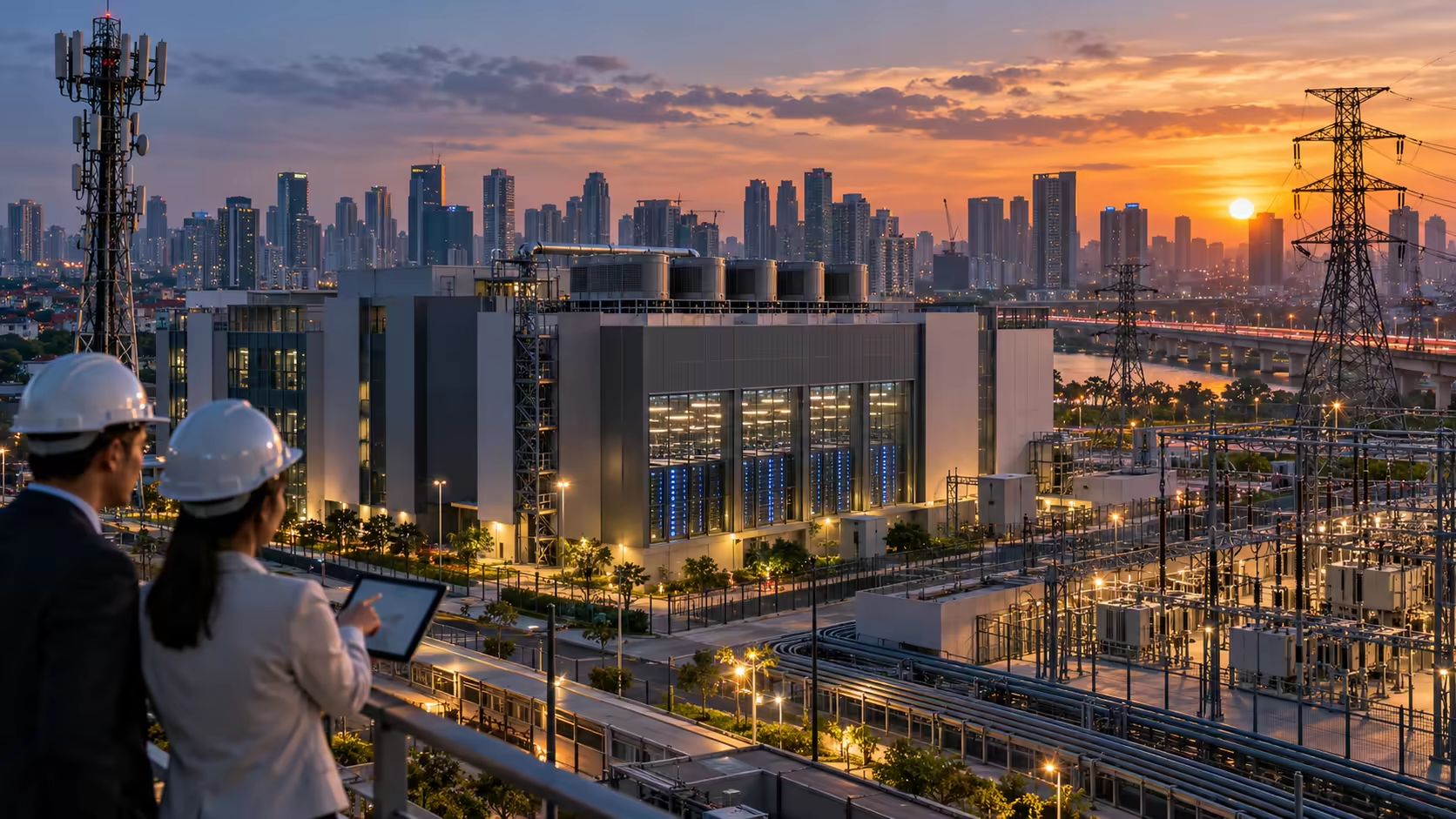
The impact of this reform is already visible in the plan of Vitro Inc., a subsidiary of PLDT, which has filed a registration statement for a REIT with a target fundraising of up to ₱24.2 billion. The initial portfolio of Vitro REIT will consist of eight operational data centers with approximately 24 megawatts of ready IT capacity. If realized, this will be the first digital infrastructure REIT in the Philippines, proving that the new regulatory framework can accommodate assets completely different from conventional property.
Beyond data centers, Monzon revealed that toll road operators have expressed strong intent to conduct an IPO of combined toll operations. Analysts from Philstocks Financial believe that with the expanded asset definition, REITs will become a better representation of the economy, giving investors more options across industries. This shift also allows retail investors to participate in infrastructure projects that were once reserved for large institutions.










Leave a Reply