


The Philippine equity market is undergoing a structural shift as we move into 2026. While traditional conglomerates remain the bedrock of the PSE, the “Digital Tsunami”—driven by a young, internet-native population—is creating a new class of high-velocity stocks. Investors are pivoting toward companies capitalizing on the Bangko Sentral ng Pilipinas’ (BSP) aggressive push for digitalization. This sector offers exponential growth potential, but it comes with valuation risks that conservative investors must not ignore.
The Opportunity: Banking the Unbanked
The core investment thesis for Philippine fintech in 2026 rests on financial inclusion. With a population exceeding 110 million and a smartphone penetration rate soaring past 70%, the gap between the banked and unbanked is closing rapidly. Digital banks and e-wallet providers are no longer just payment gateways; they are becoming full-fledged lending and investment platforms.
Companies like GCash (operated by Mynt, a Globe Telecom affiliate) and Maya have moved beyond simple transactions into micro-lending and savings products. For equity investors, this translates to exposure to consumer credit growth without the overhead of traditional brick-and-mortar banks. The PSE is expected to see increased activity in this sector as fintech firms mature and list publicly. The opportunity lies in capturing the “lifetime value” of users who are just beginning their financial journeys.
The Risk: The Valuation Gap
The primary risk in this sector is a disconnect between narrative and earnings. While user growth is exponential, profitability for many fintech entities has historically lagged. As we enter 2026, the market is likely to differentiate between “winners” and “also-rans.” Investors must be wary of companies that rely solely on “Gross Transaction Value” (GTV) growth without a clear path to Net Interest Margin (NIM) or fee-based income.
The BSP has been proactive in regulating this space to ensure stability. According to the BSP’s Financial Inclusion Dashboard, digital transactions now account for a majority of retail payments. However, this volume does not automatically equate to profit. High customer acquisition costs and fierce competition for top-up wallet share remain significant headwinds.
Strategic Angle: Infrastructure Over Apps
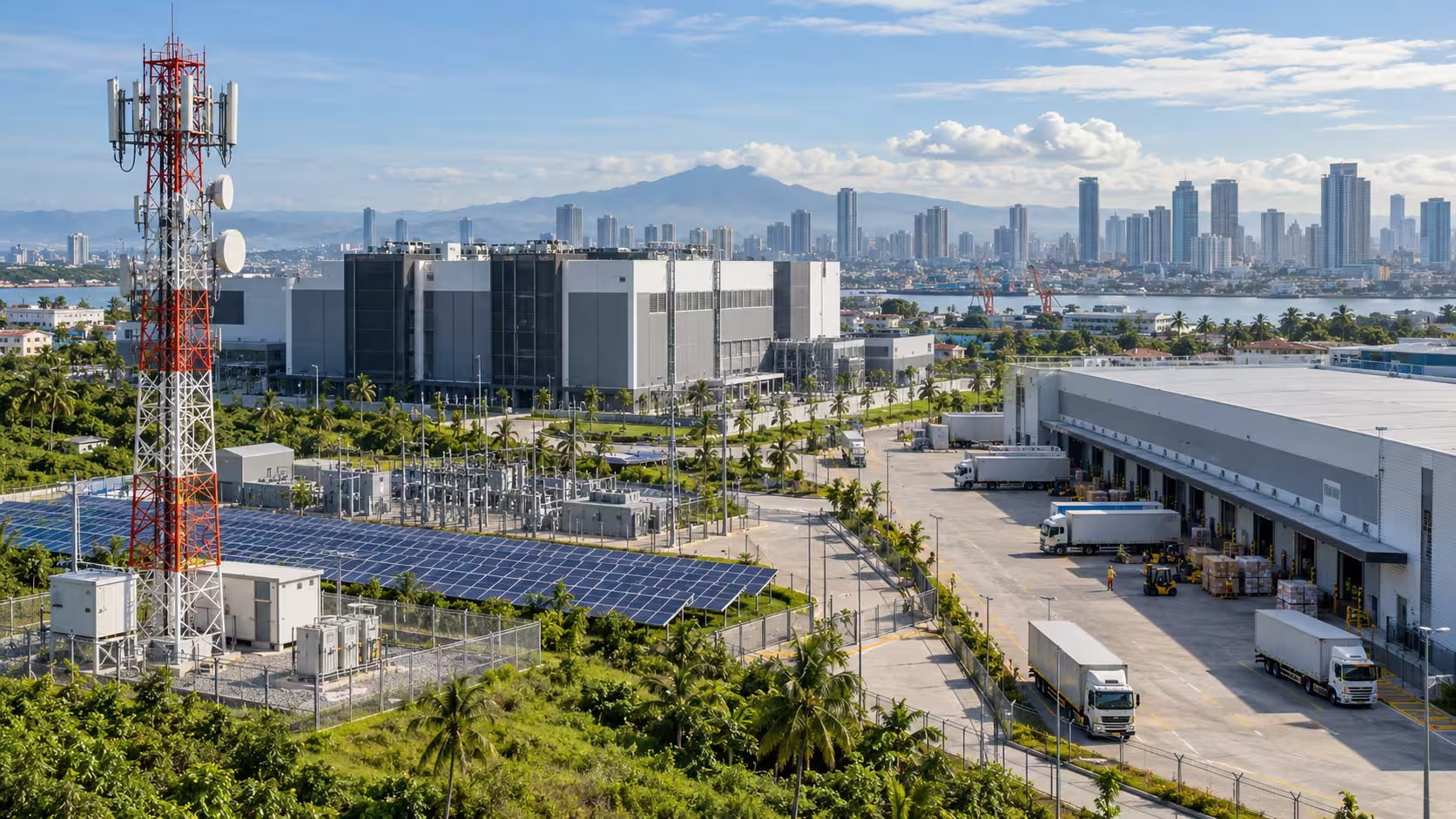
A more risk-averse strategy for playing the digital boom in 2026 is to invest in the “picks and shovels”—the telcos and IT infrastructure firms that support the data boom. Companies providing data centers, fiber optic networks, and cybersecurity solutions offer exposure to the digital economy with more predictable revenue streams than the consumer-facing apps themselves. This allows investors to benefit from the digitalization trend while mitigating the single-stock risk of a fintech app failing to monetize.
Link Data Aktif: Untuk memahami regulasi dan pertumbuhan transaksi digital, Anda dapat memantau data resmi dari Bangko Sentral ng Pilipinas (BSP) melalui tautan berikut: BSP Financial Inclusion Dashboard. Data ini menunjang analisis mengenai peningkatan transaksi digital yang menjadi dasar pertumbuhan saham fintech di 2026.











Leave a Reply