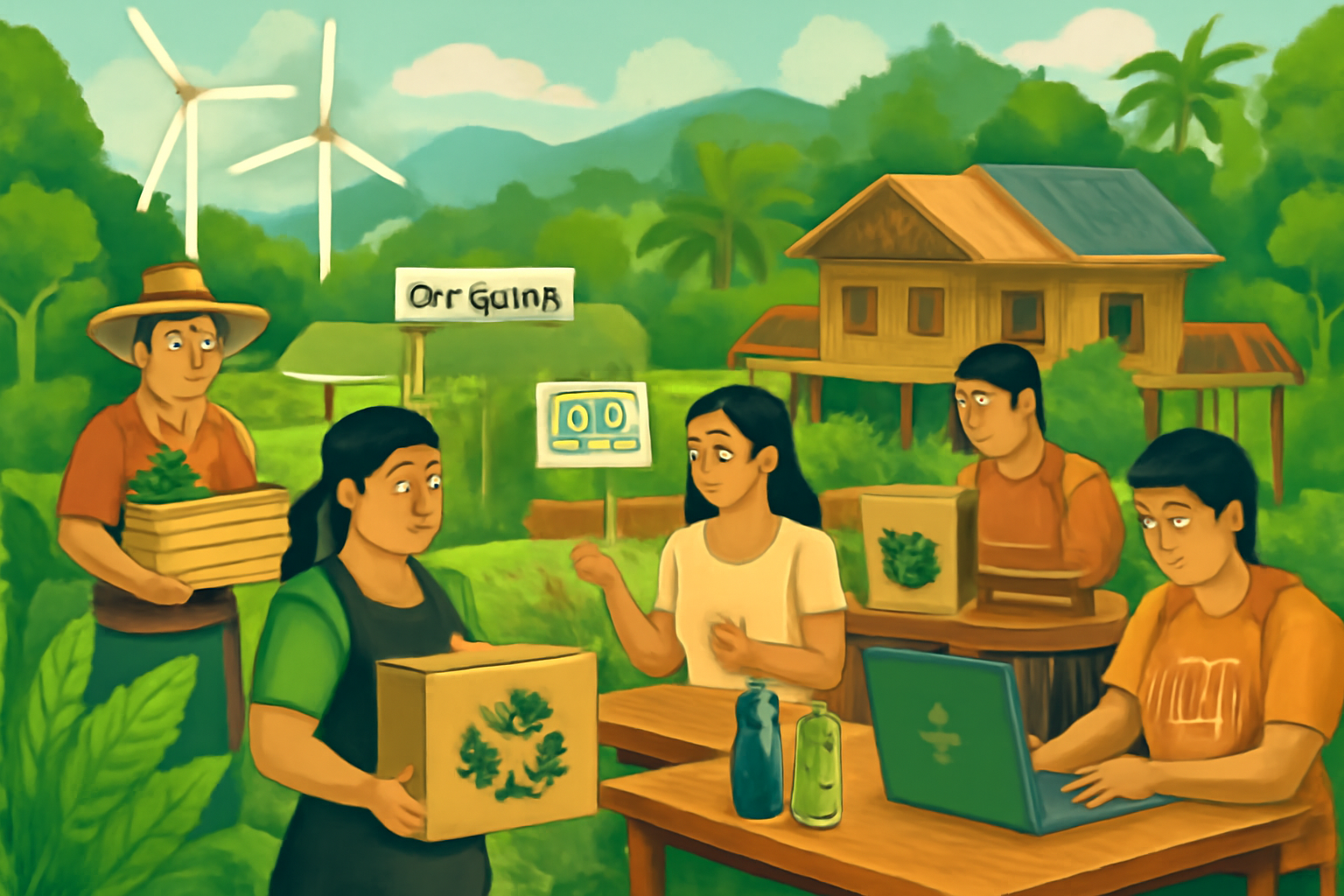


Filipino culture plays a significant role in influencing work ethics within the country’s business environment. The intertwining of traditional values and modern business practices creates a unique workplace atmosphere that impacts employee productivity, interpersonal relationships, and the overall success of organizations.
One of the key cultural elements in the Philippines is “Bayanihan,” a concept that represents community cooperation and collective action. In the workplace, this manifests as a strong sense of teamwork and mutual support. Employees often go out of their way to help colleagues, contributing to a collaborative and harmonious work environment. This sense of community makes Filipino workplaces highly cooperative, where achieving goals is often seen as a collective effort rather than individual accomplishment.
Filipinos are also known for their “utang na loob” or debt of gratitude. This cultural trait has deep roots in Filipino society, where people feel obligated to return favors or kindnesses extended to them. In the business context, this translates into employees being loyal to their employers and striving to go above and beyond in their roles. Employers, in turn, often prioritize maintaining good relationships with their staff, fostering a supportive and loyal workforce.
Moreover, respect for authority, deeply embedded in Filipino culture, also shapes work ethics in the country. Hierarchy is an essential part of Filipino work culture, and employees are often highly respectful of their superiors. This respect leads to strong work discipline and an inclination to follow instructions and procedures diligently.
However, Filipino work ethics are not without challenges. While loyalty and respect are important, they can sometimes lead to an overemphasis on harmony and deference to authority. This can result in a reluctance to voice concerns or challenge decisions, potentially hindering innovation or necessary changes in the workplace. Balancing respect with constructive feedback is crucial for fostering a culture that is both respectful and dynamic.
In the context of global businesses, the Philippines’ work ethics rooted in culture often result in Filipino employees being seen as friendly, adaptable, and dedicated workers. Their ability to work in teams, coupled with a strong sense of loyalty, makes them valuable assets to organizations that value collaboration and long-term commitment.