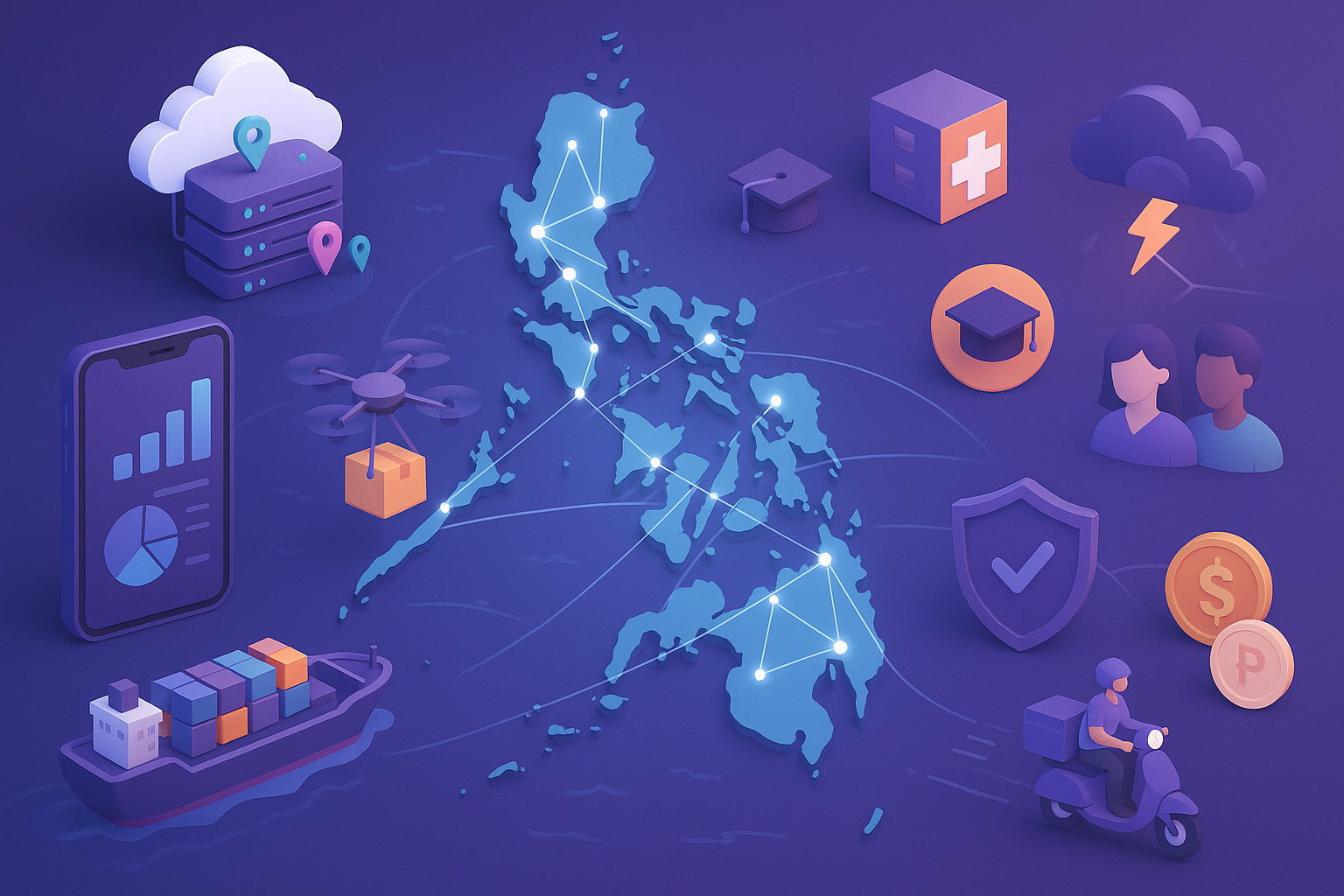

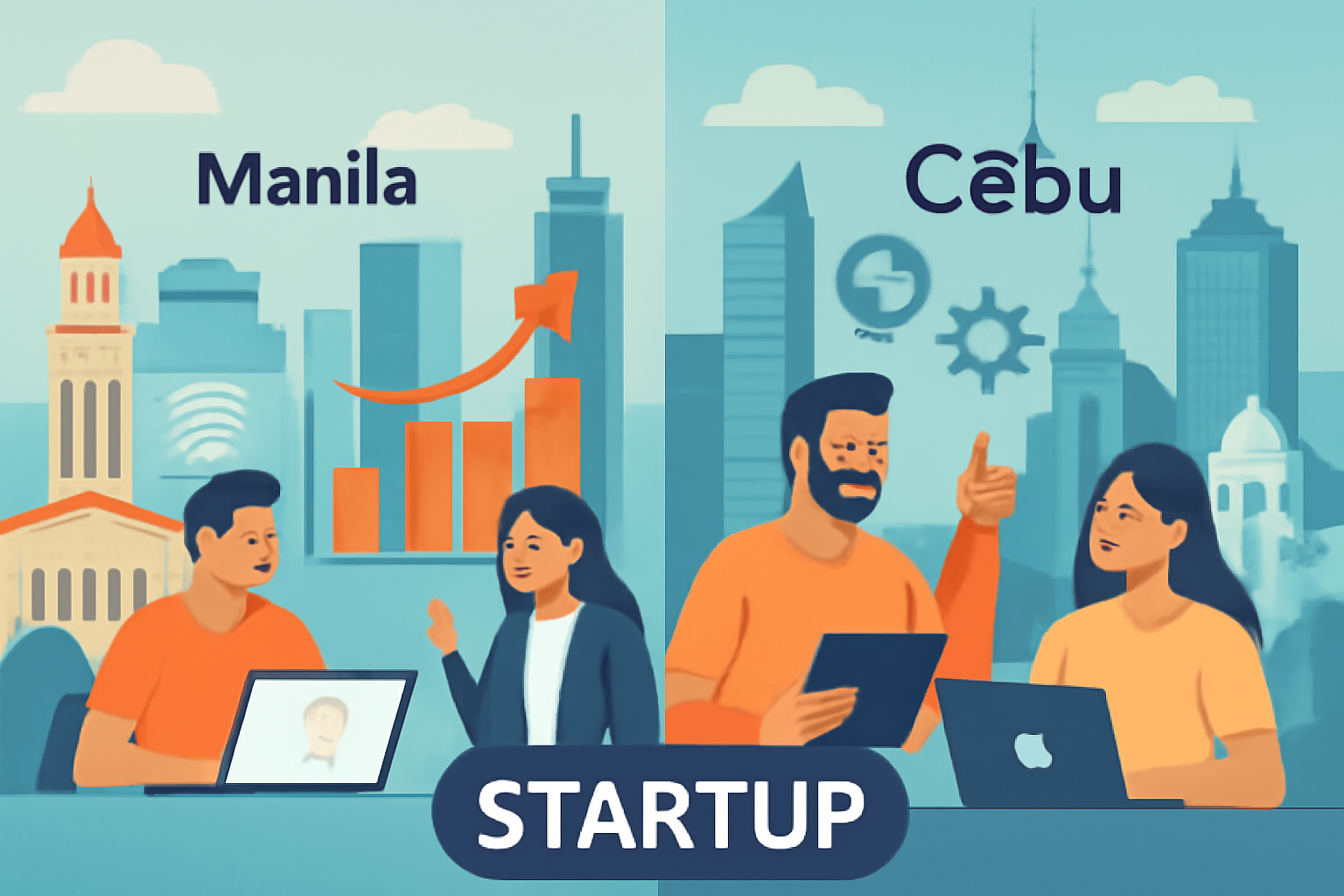
The Philippines has become an emerging tech hub in Southeast Asia, with Manila and Cebu leading the charge in shaping the country’s thriving startup ecosystem. Both cities have experienced rapid growth in recent years, fueled by an increasing number of entrepreneurs, investors, and professionals eager to tap into the potential of the digital economy.
Manila, the capital city, is home to the country’s largest concentration of tech talent and resources. Over the past decade, the city has seen the rise of multiple tech incubators and accelerators, such as the Philippine Development Foundation (PhilDev) and QBO Innovation Hub, which provide support to young startups through mentorship, funding, and networking opportunities. Furthermore, Manila benefits from its proximity to the government, large corporations, and educational institutions, creating a conducive environment for innovation.
One of the most significant advantages Manila offers to startups is its well-developed infrastructure. The city is a communications and logistics hub, which is critical for tech-based companies that rely on connectivity and smooth operations. The proliferation of coworking spaces like WeWork, Regus, and local alternatives provides entrepreneurs with affordable office spaces and a collaborative environment to grow their ventures.
Cebu, while often overshadowed by Manila, has emerged as a rising star in the country’s tech scene. As the second-largest metropolitan area in the Philippines, Cebu offers a unique combination of business-friendly policies, access to skilled labor, and a laid-back lifestyle that is attractive to both local and international startups. In recent years, Cebu has experienced rapid growth in the IT-BPO industry, and this boom has laid the foundation for a robust startup ecosystem.
Cebu’s tech scene benefits from its established reputation as a business outsourcing hub, which attracts numerous global corporations. Companies like Accenture and IBM have large offices in the region, providing ample opportunities for collaboration and knowledge exchange. Moreover, Cebu’s lower cost of living compared to Manila offers entrepreneurs a more affordable option to launch their startups, without sacrificing access to resources and talent.
The ecosystem in both cities is bolstered by an array of government initiatives that support innovation and entrepreneurship. The Department of Information and Communications Technology (DICT) has launched various programs designed to encourage the growth of startups and digital innovation across the country. These initiatives, in combination with the support of venture capital firms and angel investors, have resulted in the establishment of a vibrant and sustainable startup ecosystem in both Manila and Cebu.
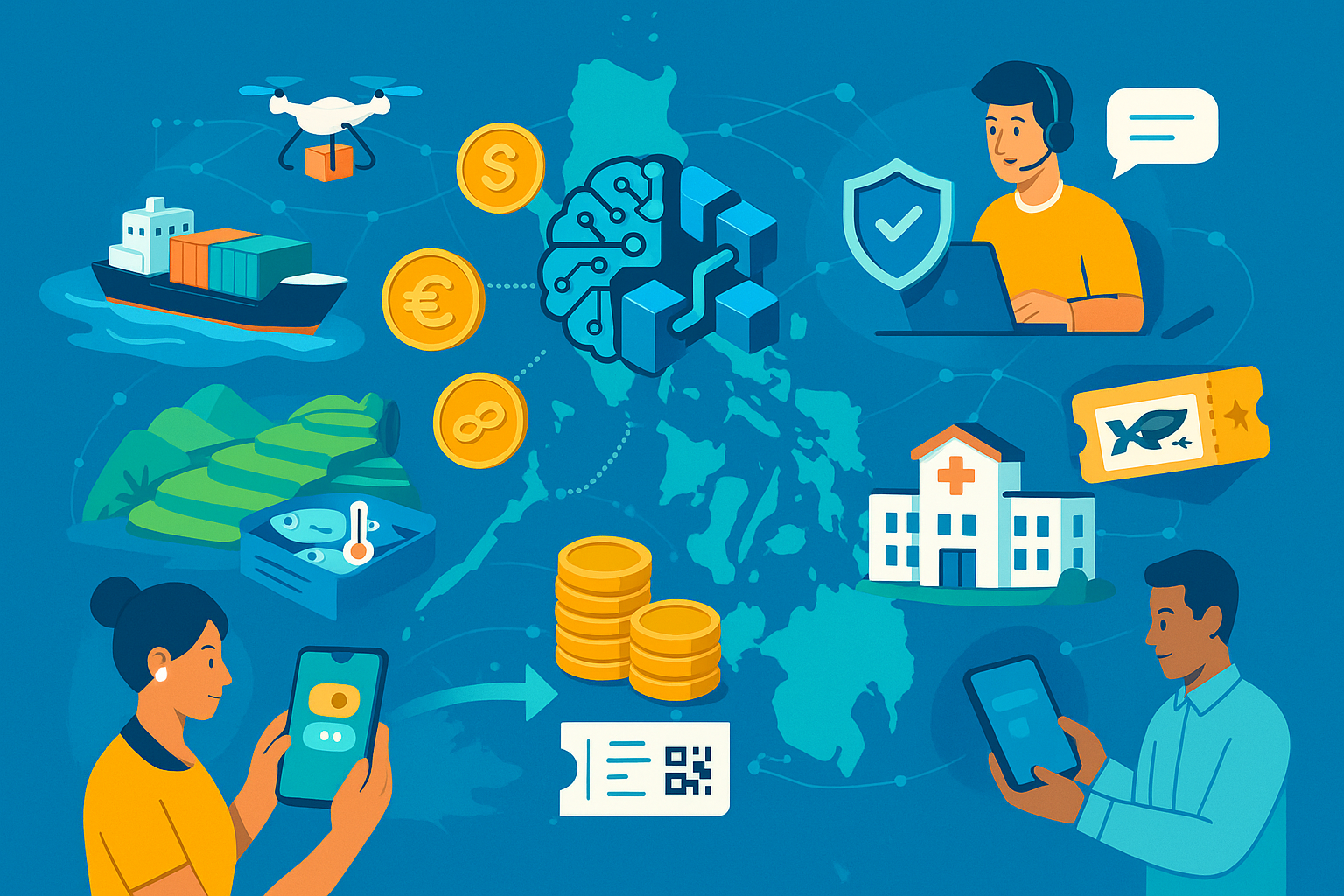
In terms of sectors, the Philippines’ startup scene has been dominated by fintech, e-commerce, health tech, and education tech, with an increasing number of startups focusing on digital transformation. Fintech, in particular, has seen significant growth due to the country’s large unbanked population and the increasing adoption of mobile payments. Companies such as PayMaya and Coins.ph have gained attention for their innovations in financial inclusion, and they serve as a model for other startups in the region.
Startups in the e-commerce space have also flourished, with platforms like Lazada, Shopee, and local players like Zalora expanding their reach in the Philippines. The COVID-19 pandemic further accelerated the growth of e-commerce as consumers increasingly turned to online platforms for their shopping needs.
Health tech and edtech have also seen significant developments, especially with the need for digital solutions in response to the ongoing health and educational challenges posed by the pandemic. Startups like MedGrocer, which offers an online pharmacy service, and Edukasyon.ph, an educational platform, have played critical roles in meeting the demands of Filipinos in these sectors.
Both Manila and Cebu are likely to continue thriving as tech hubs in the coming years. With a growing base of tech talent, increasing government support, and the rise of innovative startups, these cities are shaping up to become central players in the Southeast Asian startup ecosystem.