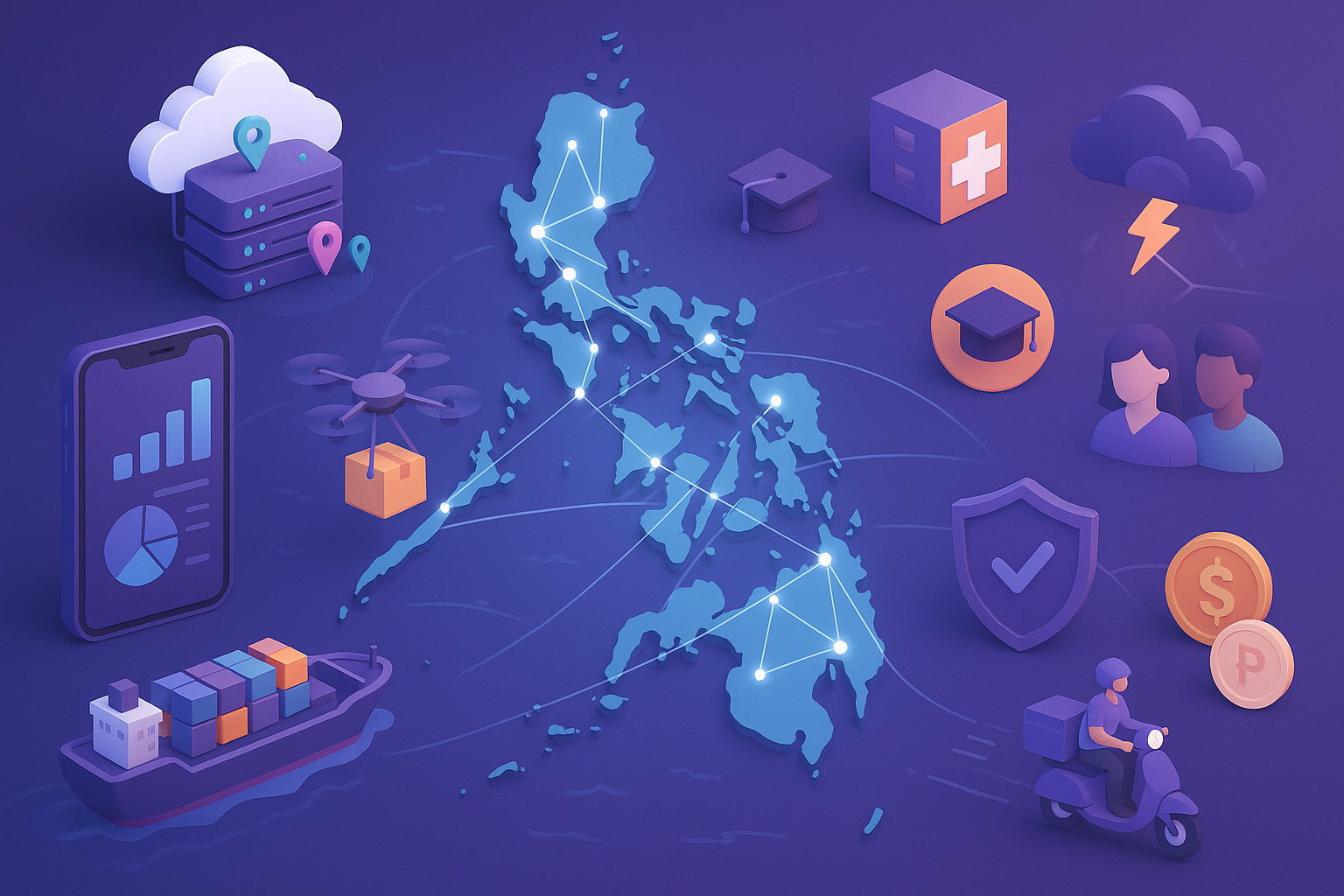

Artificial intelligence and blockchain are maturing from buzzwords into building blocks, and the Philippines is well-positioned to turn both into practical value. For founders, the opportunity begins with the country’s digital-first consumers, a service-heavy economy, and large remittance flows. Put simply: there are repeated, high-volume problems around trust, identity, payments, and decisioning—exactly where AI and blockchain shine together.
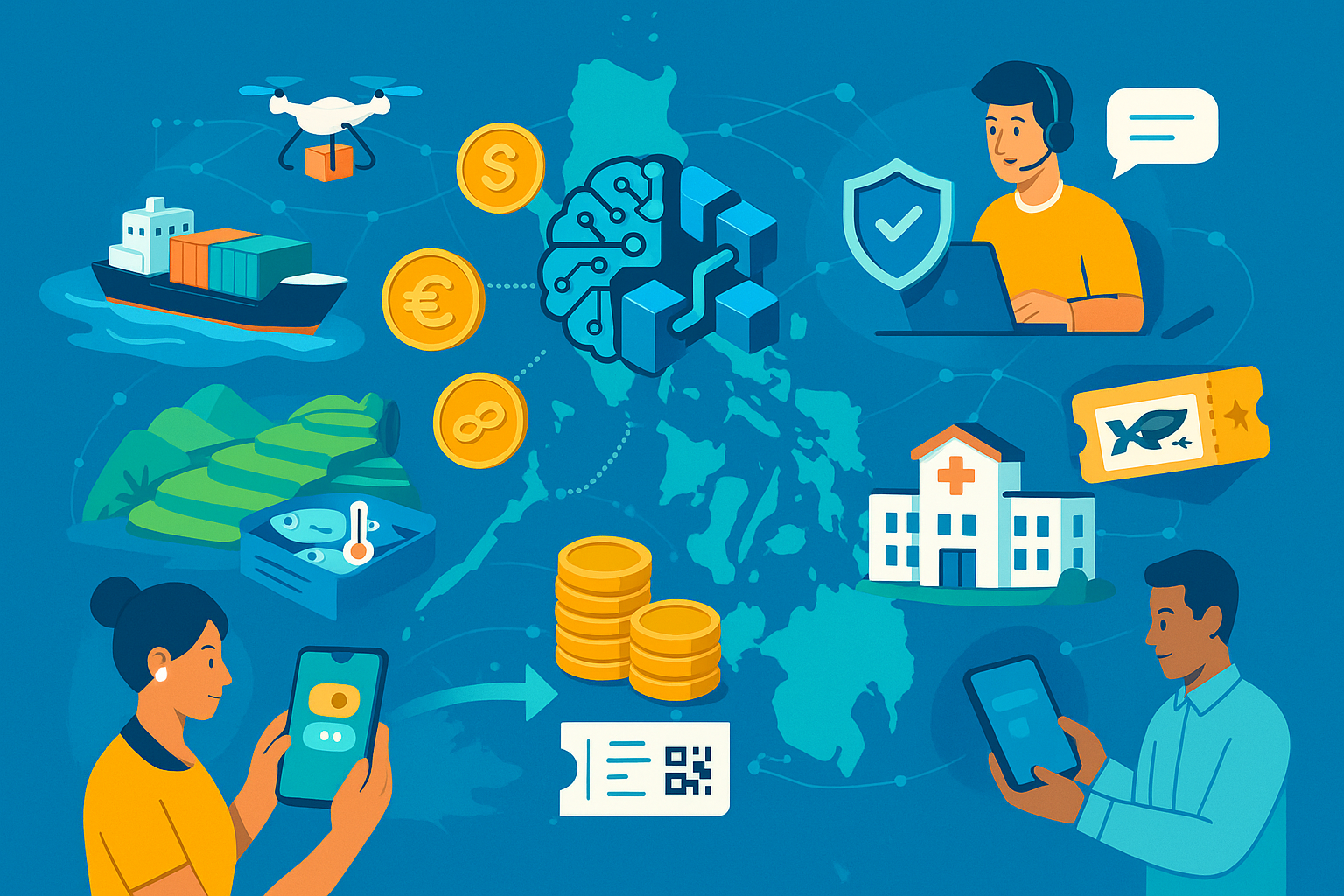
In fintech, AI models can score credit for thin-file borrowers using alternative data while detecting fraud in real time. Pair that with blockchain rails—especially stablecoin-based settlement—and startups can cut remittance friction, lower fees, and offer instant cross‑border payouts. The same combo helps micro-entrepreneurs accept payments, verify counterparties, and build portable reputations they can use across platforms.
Supply chains are another beachhead. Agriculture and fisheries stretch across islands and intermediaries, which complicates provenance and pricing. A permissioned ledger for traceability, integrated with computer vision for quality checks and demand forecasting, can compress waste and raise incomes for producers. Similar designs fit pharmaceuticals, electronics, and food safety, where compliance evidence and auditability matter.
Public services and legal infrastructure present long-term upside. Land records, cooperative memberships, and business permits benefit from tamper-evident registries; AI speeds triage, document extraction, and anomaly detection. Health data exchanges can use verifiable credentials to control consent, while machine learning personalizes outreach for vaccinations or chronic care. Education and the BPO sector can adopt AI assistants to level up productivity, backed by blockchain credentials that attest to skills without oversharing personal data.
Regulatory dynamics are evolving but navigable. The central bank oversees payments and sandboxes new models; securities and commodities rules shape tokenization; the data privacy framework demands consent, purpose limitation, and security measures. A compliance-by-design stance—privacy risk assessments, robust KYC/AML, explainability for high-impact AI use—turns red tape into a moat.
Execution separates buzz from value. Startups should pick a narrow, recurring pain point and ship an MVP that measures lift: fewer chargebacks, shorter settlement times, reduced spoilage, faster underwriting. Use an event-driven backend, a vector database for retrieval‑augmented generation, and an EVM‑compatible or permissioned chain depending on throughput and governance needs. Prioritize human-in-the-loop review for risk decisions, key management with hardware isolation or MPC, and guardrails to prevent model drift.
Talent and capital are within reach. The Philippines has a deep pool of English‑fluent operators from the services industry who can be upskilled in data labeling, model monitoring, and customer success. University partnerships can source interns for MLOps and cryptography; diaspora networks can unlock angel checks and distribution. Accelerators, grants, and corporate pilots are realistic on-ramps if founders anchor the pitch in measurable outcomes for local stakeholders.
The near future belongs to teams that blend intelligence and trust. If you can make money move faster, decisions get smarter, and records harder to falsify—while respecting regulation and privacy—you’ll find eager users across finance, logistics, healthcare, and government. The market is hungry for working systems, not whitepapers; the best story is the one your metrics tell.