
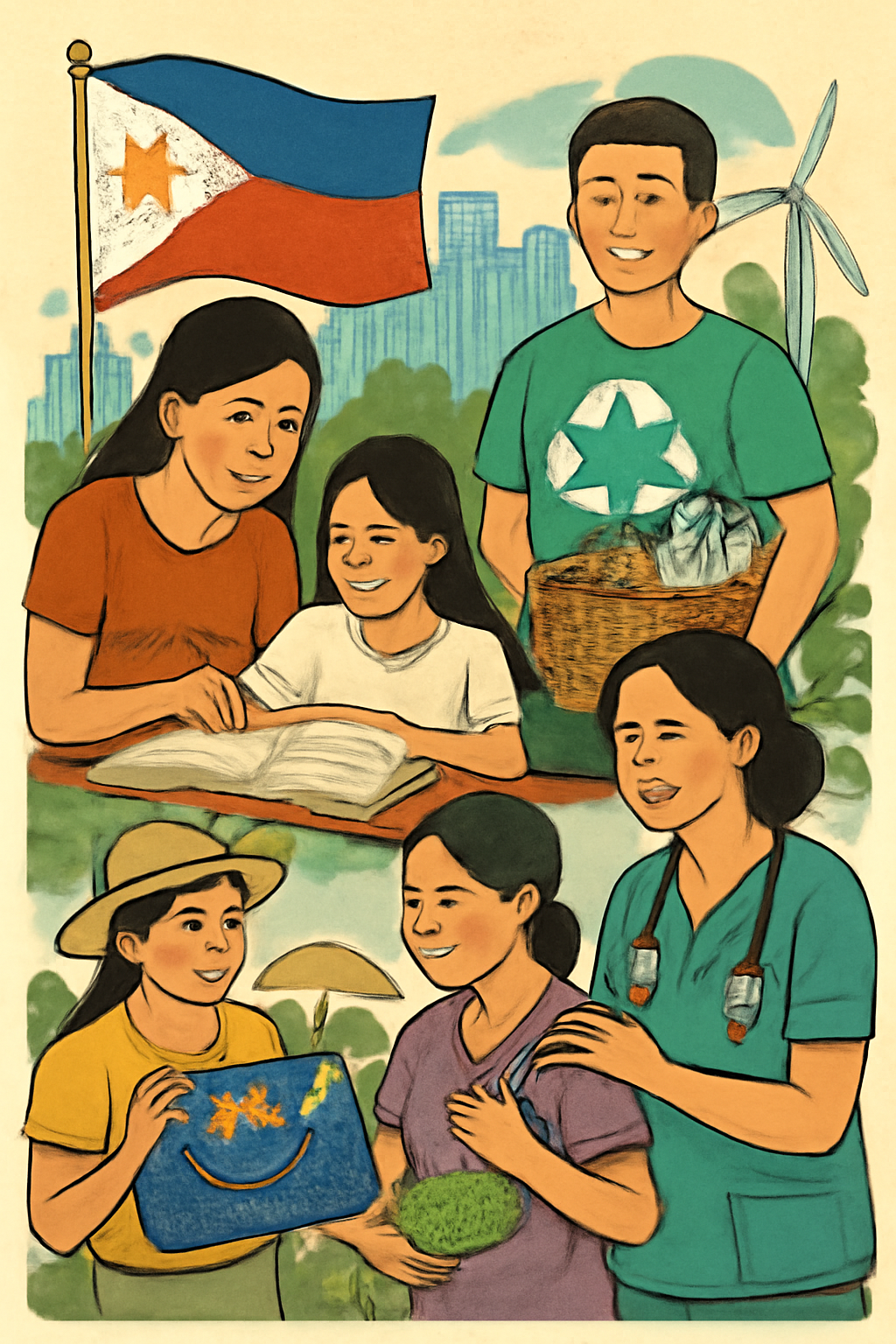
Social entrepreneurship in the Philippines is becoming an increasingly vital part of the nation’s economic and social fabric. With over 100 million people and a complex socio-economic landscape, the country faces various challenges, from poverty and education to healthcare and environmental sustainability. However, many social entrepreneurs are taking innovative approaches to address these issues, blending the power of business with a mission to solve societal problems.
Social entrepreneurship, by definition, is the practice of using entrepreneurial principles to organize, create, and manage ventures that aim to tackle social issues. In the Philippines, this model has proven to be an effective way of fostering community development and creating lasting positive changes. Many entrepreneurs in the Philippines recognize that achieving business success does not have to come at the expense of improving society. Instead, these businesses thrive by generating profits while simultaneously making a significant social impact.
The Rise of Social Enterprises
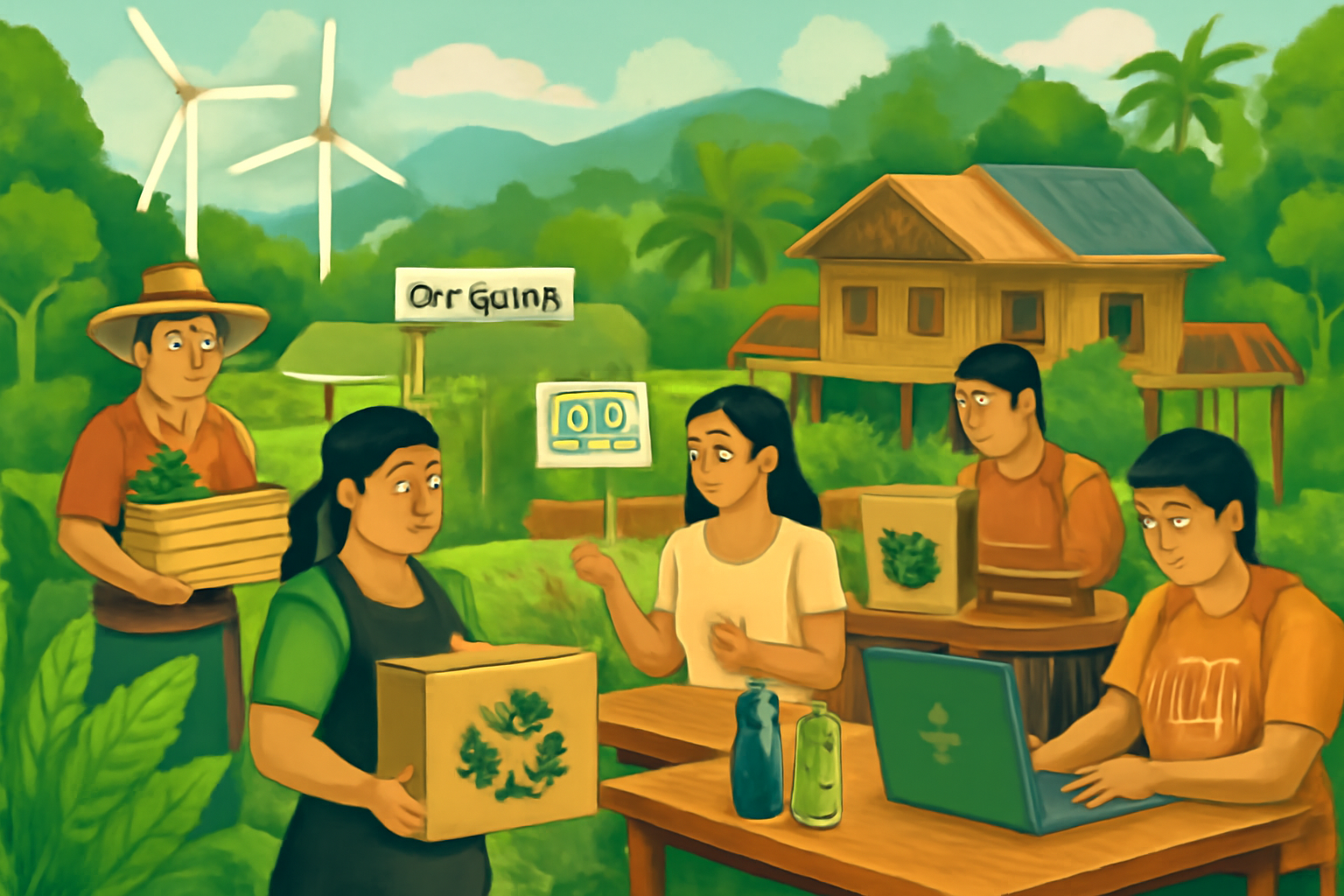
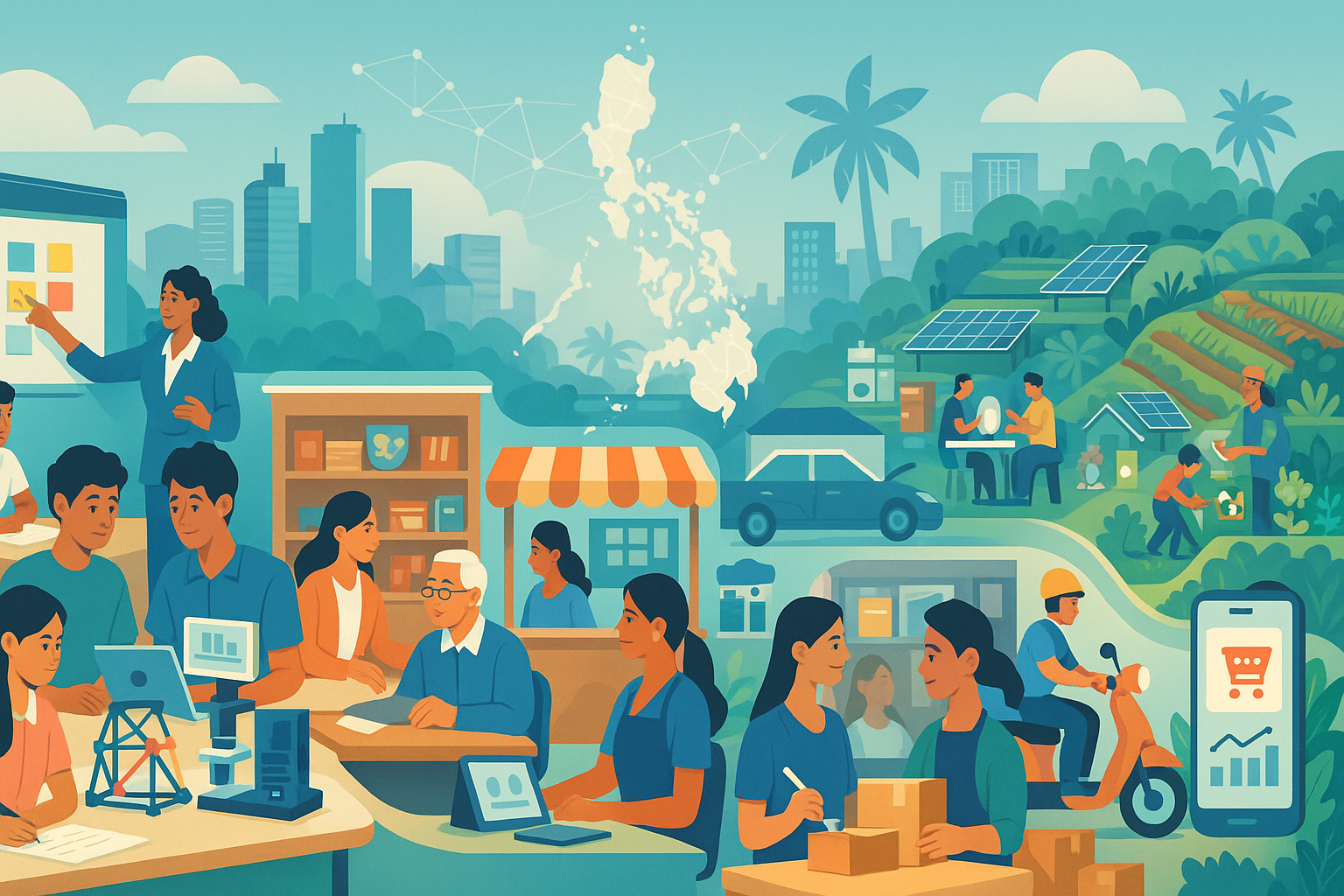
Social enterprises in the Philippines operate across a variety of industries, from agriculture to education to renewable energy. A key factor in the growth of social enterprises is the Filipino people’s resilience and creativity in overcoming hardships. Businesses like Hapinoy, a platform that helps micro-enterprises in rural communities, and Gawad Kalinga, a social development organization, are prime examples of successful social entrepreneurship in the Philippines.
In recent years, Filipino social entrepreneurs have also begun to focus more on environmental sustainability. Companies like Sanicare (which manufactures biodegradable sanitary products) are paving the way for businesses that not only generate profit but also support eco-friendly practices that benefit the environment.
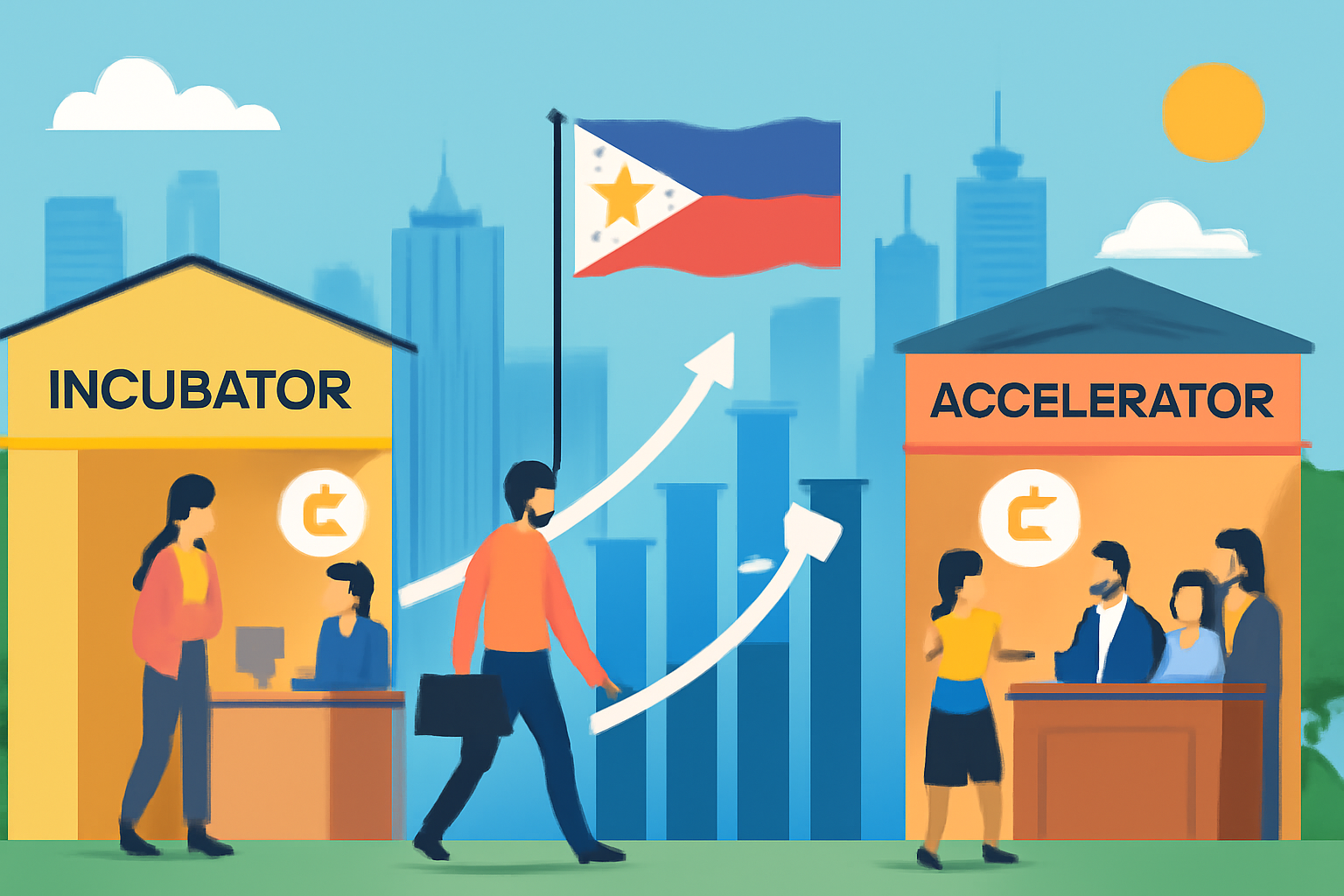
Moreover, the local government has started to recognize the importance of supporting social enterprises by providing funding and infrastructure. Programs like the Philippine Social Enterprise Network (PhilSEN) have been crucial in connecting social entrepreneurs with resources and a community of like-minded individuals.
Tackling Poverty and Empowering Communities
Social entrepreneurship is especially powerful when it comes to poverty alleviation. A large portion of the Philippine population lives in poverty, and social enterprises have become a key player in combating this issue. For example, businesses that focus on micro-financing, such as Bangko Kabayan, empower low-income individuals by offering financial services that are typically inaccessible to them through traditional banking institutions.
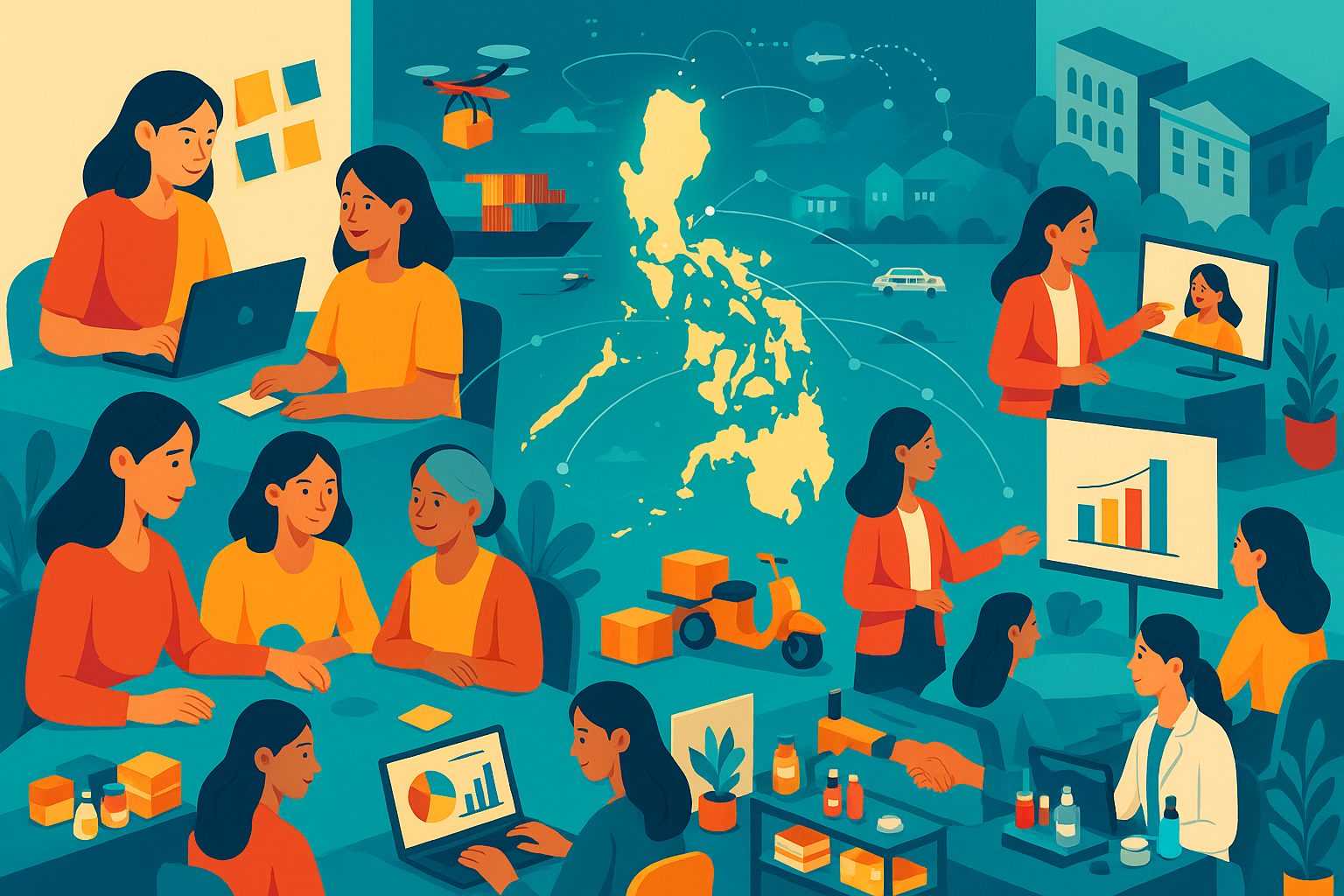
In rural areas, social enterprises often provide the much-needed infrastructure for farmers, artisans, and small businesses to succeed. Organizations like Rags2Riches train women from impoverished communities to create high-quality, eco-friendly fashion products. This provides the women with stable income, allows them to improve their standard of living, and uplifts the entire community.
Innovation and Impact
Innovation is a cornerstone of social entrepreneurship. Filipinos are known for their ability to find creative solutions to problems, and many social enterprises leverage local knowledge and resources in unique ways. For instance, Edukasyon.ph is an online platform that provides Filipino youth with information on educational opportunities, scholarships, and career guidance—empowering young people to make informed decisions about their future.
The impact of social enterprises is not just confined to economic benefits; it also extends to social changes. By solving long-standing societal problems, such as access to clean water or affordable healthcare, social entrepreneurs are able to contribute to a stronger and more sustainable future for the country.
In conclusion, social entrepreneurship is becoming an essential avenue for addressing the Philippines’ social and economic challenges. With the right support, these enterprises can continue to flourish and help build a more inclusive and sustainable future for Filipinos.