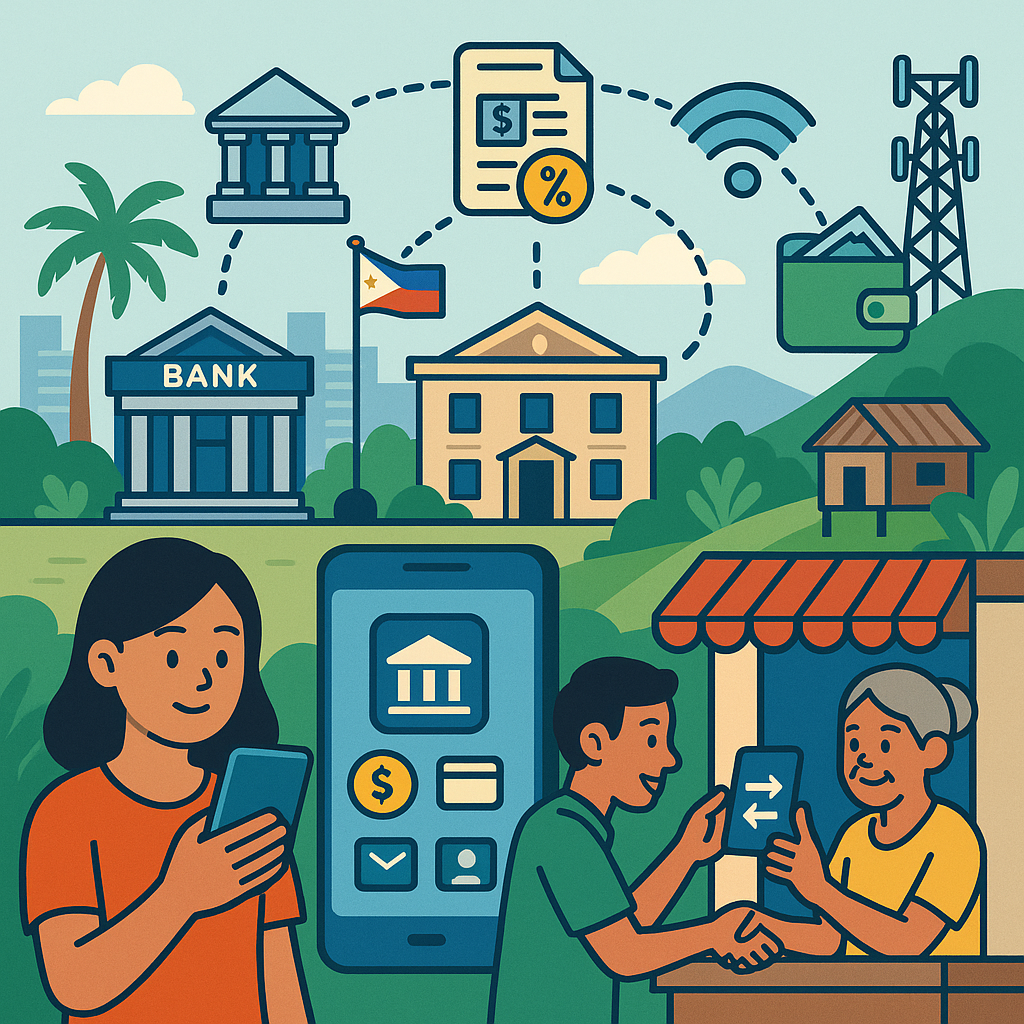

The Philippines is home to a vibrant banking sector, with numerous financial institutions driving the country’s economy. Some of the largest banks in the country not only dominate the financial landscape but also set the standard for growth and innovation. These banks focus on expanding their services, enhancing customer experience, and maintaining a competitive edge through strategic growth plans.
BDO Unibank, Inc. is the largest bank in the Philippines in terms of assets. The bank has developed a robust network, offering a range of products including retail banking, corporate banking, and investment services. BDO’s strategy revolves around expanding its digital services, which has been essential for meeting the growing demand for online banking. Their widespread ATM network, branch network, and acquisition of smaller financial institutions further bolster their position.
Metrobank, another dominant player in the Philippine banking industry, has consistently held a strong position due to its diversified offerings. From personal loans to corporate financing, Metrobank continues to grow by expanding its reach and embracing technological advancements. The bank has focused on increasing customer loyalty through excellent customer service, while also investing in cutting-edge technology to optimize operations and attract a broader client base.
Bank of the Philippine Islands (BPI) stands as a significant competitor in the banking space, known for its long-standing history and commitment to economic development. BPI has focused on growing its retail banking services, driving financial inclusion, and capitalizing on the Philippines’ growing middle-class population. Moreover, the bank has integrated sustainable practices into its operations, ensuring that it remains resilient in the face of market fluctuations.
UnionBank of the Philippines is a trailblazer in digital banking. By focusing on customer-centric services and leveraging technology, UnionBank has become a leader in financial innovations. The bank’s aggressive investment in artificial intelligence and blockchain technologies has helped streamline its operations and provide a more personalized banking experience for its customers.
Lastly, Land Bank of the Philippines (Landbank) serves as a key player in promoting rural development. As a government-owned bank, Landbank’s strategy is focused on financing agricultural and rural development projects. They provide accessible financial services to the underserved sectors of the population, ensuring economic growth reaches all areas of the country.
The success of these large banks can be attributed to their continuous investment in innovation, their understanding of local market dynamics, and their ability to adapt to changing economic conditions. Whether through technological advancements or strategic mergers and acquisitions, these banks continue to grow and set new standards in the Philippine banking industry.