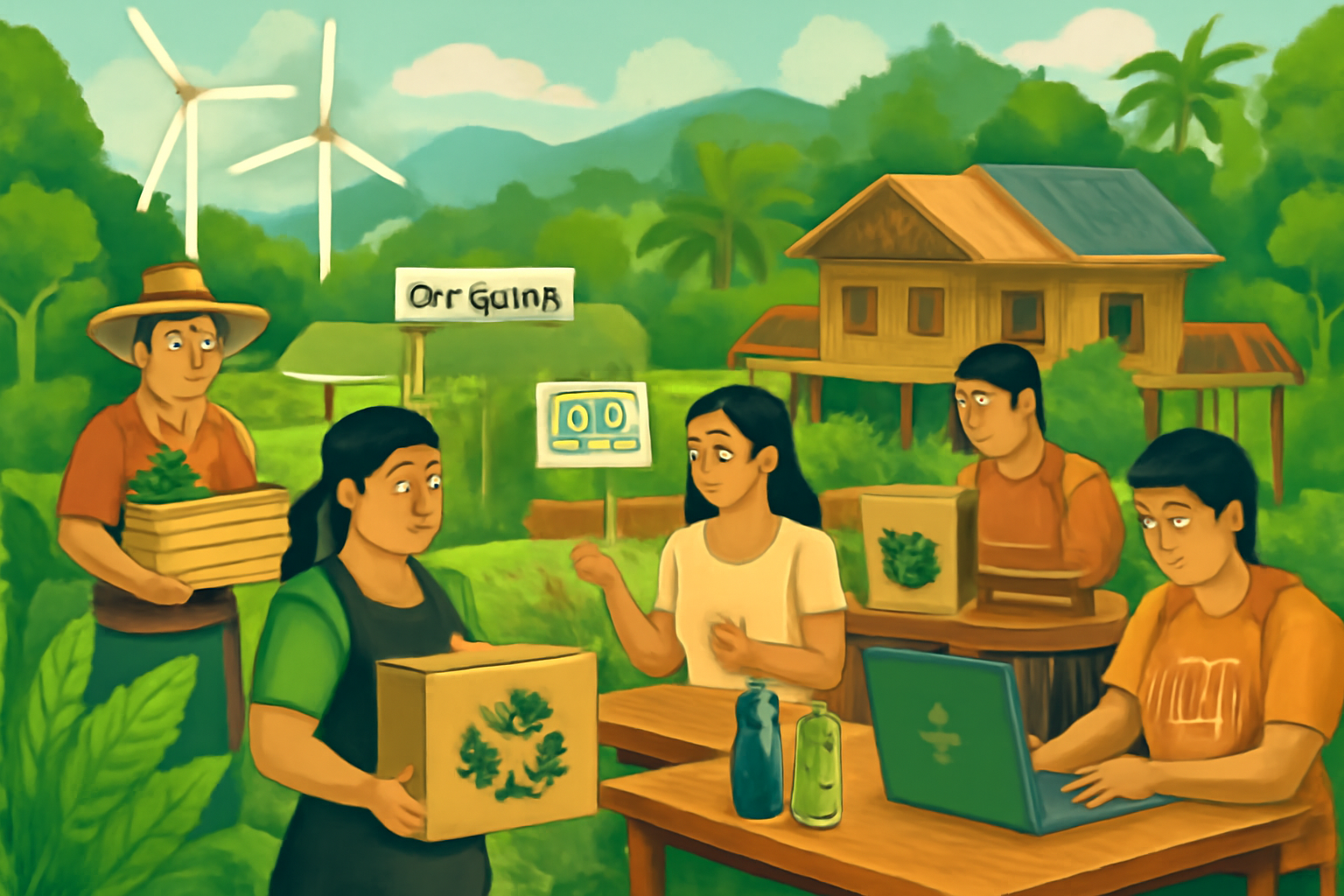


The Philippines, an archipelago of over 7,000 islands, is quickly emerging as one of Southeast Asia’s most attractive investment destinations. Over the past decade, the country has experienced robust economic growth, driven by a young, dynamic workforce and a growing middle class. As the nation continues to develop, several sectors offer significant opportunities for investors, including real estate, technology, renewable energy, tourism, and agriculture. Let’s dive deeper into these promising industries and explore why the Philippines presents such appealing prospects.
Real Estate Sector: A Booming Industry
The real estate market in the Philippines has been flourishing in recent years, driven by increasing demand for both residential and commercial properties. With a rapidly growing population and expanding urbanization, cities like Metro Manila, Cebu, and Davao are seeing rising demand for housing, office spaces, and retail establishments. The Philippine government’s “Build, Build, Build” program, which focuses on infrastructure development, has further boosted the real estate sector by improving transportation and connectivity, making it easier for investors to access previously underserved areas.
Real estate offers lucrative investment opportunities for both local and foreign investors. Residential developments catering to the middle class and high-income earners are in high demand, while commercial properties are benefiting from the rise of the Business Process Outsourcing (BPO) sector, which continues to grow at a steady pace. Furthermore, the government’s push for affordable housing solutions has led to the development of new housing projects, creating ample opportunities for investors in this space.
Technology and Digital Economy: A Growing Market
The Philippines’ tech industry is booming, driven by a combination of factors such as a highly skilled labor force, increasing internet penetration, and the growing use of smartphones. With over 73 million internet users and the government’s strong focus on building a digital economy, the Philippines is becoming an attractive destination for tech entrepreneurs and investors alike.
The Business Process Outsourcing (BPO) sector has long been one of the pillars of the Philippine economy. However, the industry is now diversifying into other areas, including fintech, e-commerce, and digital services. Startups in the tech space are rapidly expanding, with several Filipino unicorns (startups valued at over $1 billion) emerging in recent years. Moreover, government initiatives such as the Philippine Digital Transformation Strategy and the establishment of innovation hubs are paving the way for further growth in the tech sector.
Renewable Energy: A Future-Proof Investment
The Philippines is rich in renewable energy resources, including solar, wind, hydro, and geothermal power. As the country seeks to reduce its reliance on fossil fuels, the renewable energy sector has emerged as a promising area for investment. The Philippine government has set ambitious targets for increasing the share of renewable energy in the country’s energy mix, creating ample opportunities for investors in this field.
The government has introduced several incentives to attract both local and foreign investors to the renewable energy sector, including tax breaks and guaranteed power purchase agreements. Moreover, with the global shift toward sustainable and environmentally friendly practices, investments in renewable energy are becoming increasingly attractive. As the demand for clean energy grows, investors can expect significant returns in this sector.
Tourism: A Resilient Industry
Tourism has long been a vital contributor to the Philippine economy, and the sector continues to offer attractive investment opportunities. With its pristine beaches, rich cultural heritage, and diverse natural landscapes, the Philippines is a popular destination for both leisure and business travelers. The government has been heavily investing in improving infrastructure to support tourism growth, such as building new airports, expanding roads, and enhancing public safety.
As the global tourism market recovers from the COVID-19 pandemic, the Philippines is well-positioned to attract more international visitors. Opportunities exist in various sub-sectors, including resort development, hospitality services, ecotourism, and travel technology. The rise of sustainable tourism has also opened up new avenues for investment, as travelers increasingly seek eco-friendly and culturally immersive experiences.
Agriculture: A Sector with Untapped Potential
Agriculture remains an essential part of the Philippine economy, employing a significant portion of the population. While the sector has faced challenges in recent years, including inefficiencies and vulnerability to climate change, there are still untapped opportunities for growth and innovation. Modernizing the agricultural sector through the adoption of technology, improved infrastructure, and sustainable farming practices can yield substantial returns for investors.
The Philippine government has recognized the importance of agribusiness and has been actively working on policies to support its growth. This includes initiatives to improve the value chain of key agricultural products such as rice, coconut, and mangoes. Additionally, there is growing interest in the development of agritech, which combines technology with agriculture to improve productivity and sustainability.
In summary, the Philippines offers a wealth of investment opportunities across a variety of sectors. With a young population, a growing middle class, and strong government support for key industries, the country is poised for continued growth and development. Investors looking for promising markets in Southeast Asia should look no further than the Philippines, where real estate, technology, renewable energy, tourism, and agriculture provide abundant avenues for success.