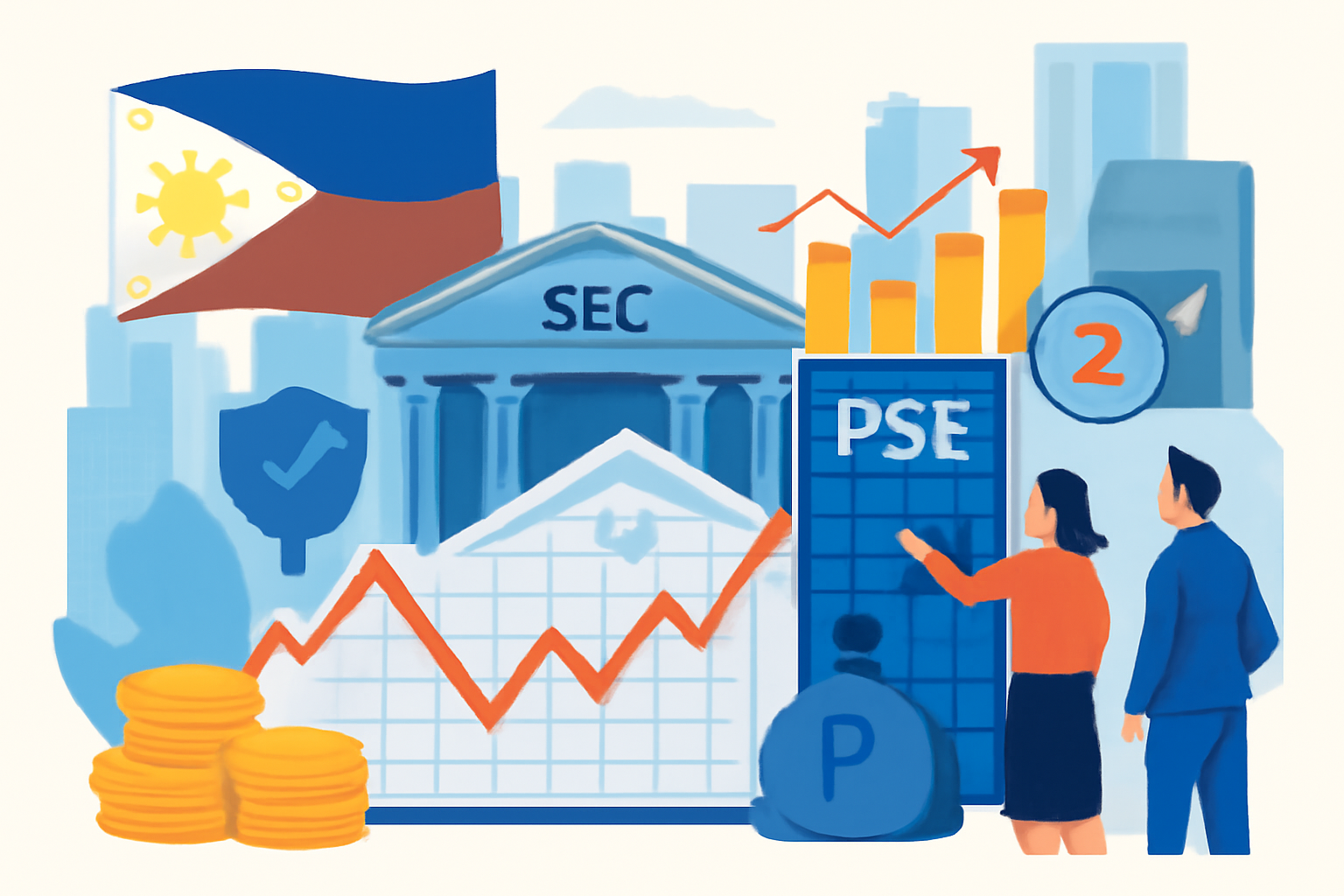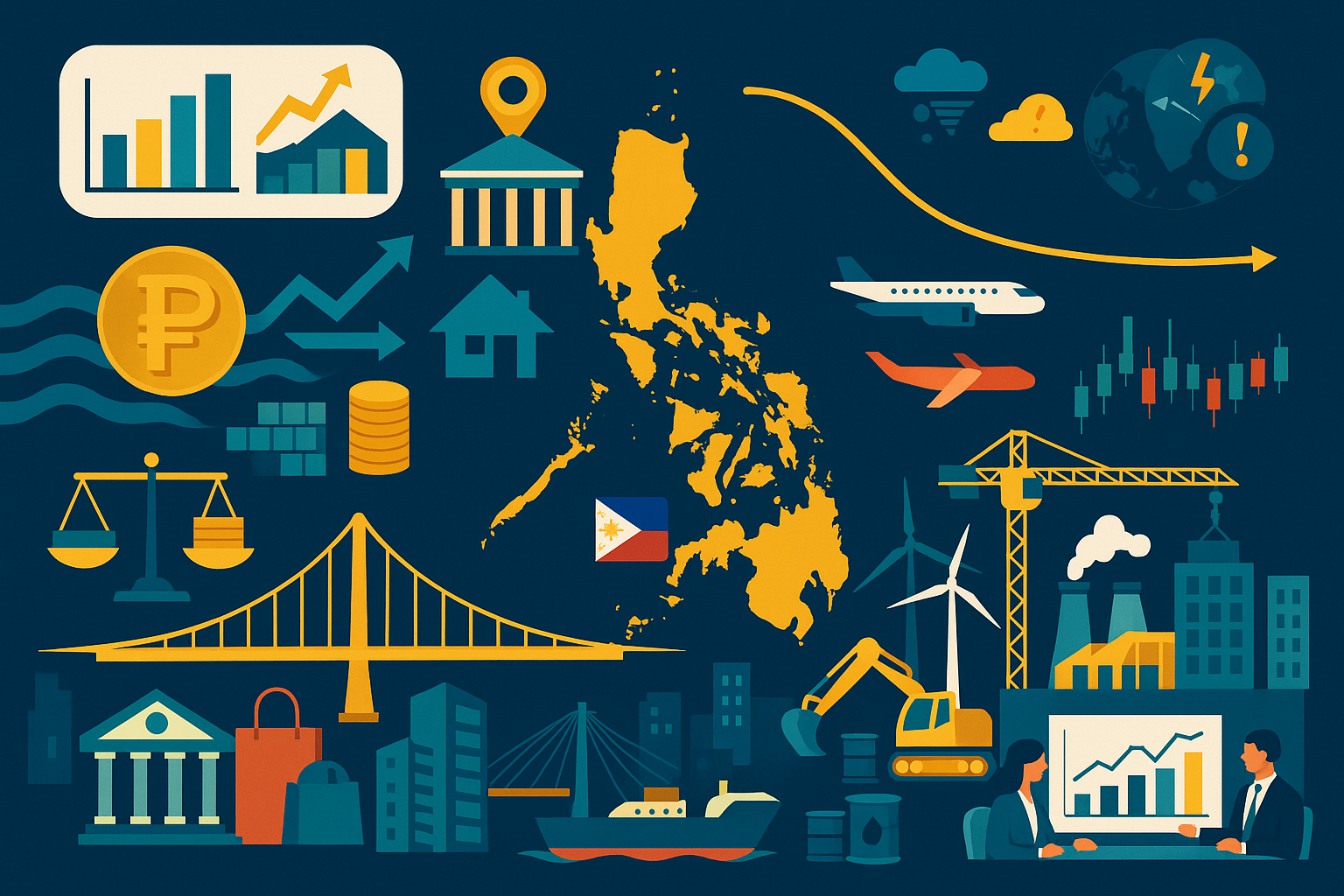


The Philippine stock market does not move in isolation. Global economic swings—changes in U.S. interest rates, commodity cycles, currency shifts, and cross-border risk appetite—filter into local equities through several channels. Understanding these channels helps investors interpret price action and manage risk more effectively.
First, monetary policy in major economies, especially the U.S. Federal Reserve, matters enormously. When the Fed tightens policy, global liquidity tends to drain from emerging markets as investors demand higher yields and retreat to perceived safety. This process typically strengthens the U.S. dollar, puts depreciation pressure on the Philippine peso, and raises funding costs for domestic firms. Higher rates compress equity valuations by lifting discount rates and can slow credit growth, challenging rate-sensitive sectors such as property and banks.
Second, currency dynamics act as both shock absorber and amplifier. A weaker peso can be helpful for exporters and dollar-earning industries such as BPOs and select manufacturers, as their revenues translate into more pesos. Yet currency weakness can worsen imported inflation—think fuel and raw materials—squeezing margins for companies with foreign currency costs and limited pricing power. Persistent FX volatility also influences the Bangko Sentral ng Pilipinas (BSP), which may keep policy tighter to anchor inflation expectations, further affecting valuations.
Third, commodity cycles cut two ways. Higher oil prices strain consumers and logistics-heavy businesses, while miners and energy-linked firms may benefit from stronger commodity realizations. The Philippines, being a net oil importer, generally faces growth and inflation headwinds when energy prices spike. This interplay shapes sectoral performance dispersion across the index.
Fourth, external demand shifts matter for corporate earnings. Slowdowns in the U.S., China, or regional partners can soften exports and investment flows. However, the Philippines has stabilizers: remittances from overseas Filipino workers tend to be resilient, supporting household consumption; the BPO industry earns in dollars and provides a partial hedge against peso weakness; and a young demographic profile sustains medium-term demand for housing, retail, and financial services.
Investor behavior is another crucial conduit. During global risk-off episodes, foreign funds often reduce exposure to smaller, less liquid markets. The Philippine Stock Exchange (PSE) can see outsized moves because of its relatively shallow liquidity compared to larger peers. These flows can drive short-term dislocations where prices diverge from fundamentals, creating opportunities for disciplined buyers with longer horizons.
Sector sensitivity varies. Property developers and REITs react to interest-rate expectations; banks track the credit cycle and asset quality concerns; consumer staples tend to be defensive but face input cost pressures; utilities and infrastructure offer steady cash flows but are sensitive to regulatory and rate conditions; exporters and mining companies align more with currency and commodity moves.
For portfolio strategy, diversification across rate-sensitive and dollar-earning names can buffer shocks. Monitoring leading indicators—U.S. yield curve shifts, DXY (U.S. dollar index), oil benchmarks, and credit spreads—helps anticipate inflection points. Hedging FX exposure, stress-testing earnings for different rate and currency scenarios, and keeping dry powder for volatility spikes are practical steps.
Ultimately, while global tides set the rhythm, domestic resilience—credible monetary policy, structural consumption drivers, and reform momentum—determines how Philippine equities dance to the beat. Investors who map these transmission channels gain an edge in navigating cycles.Reading the Shock Waves: Global Events and the PSEi