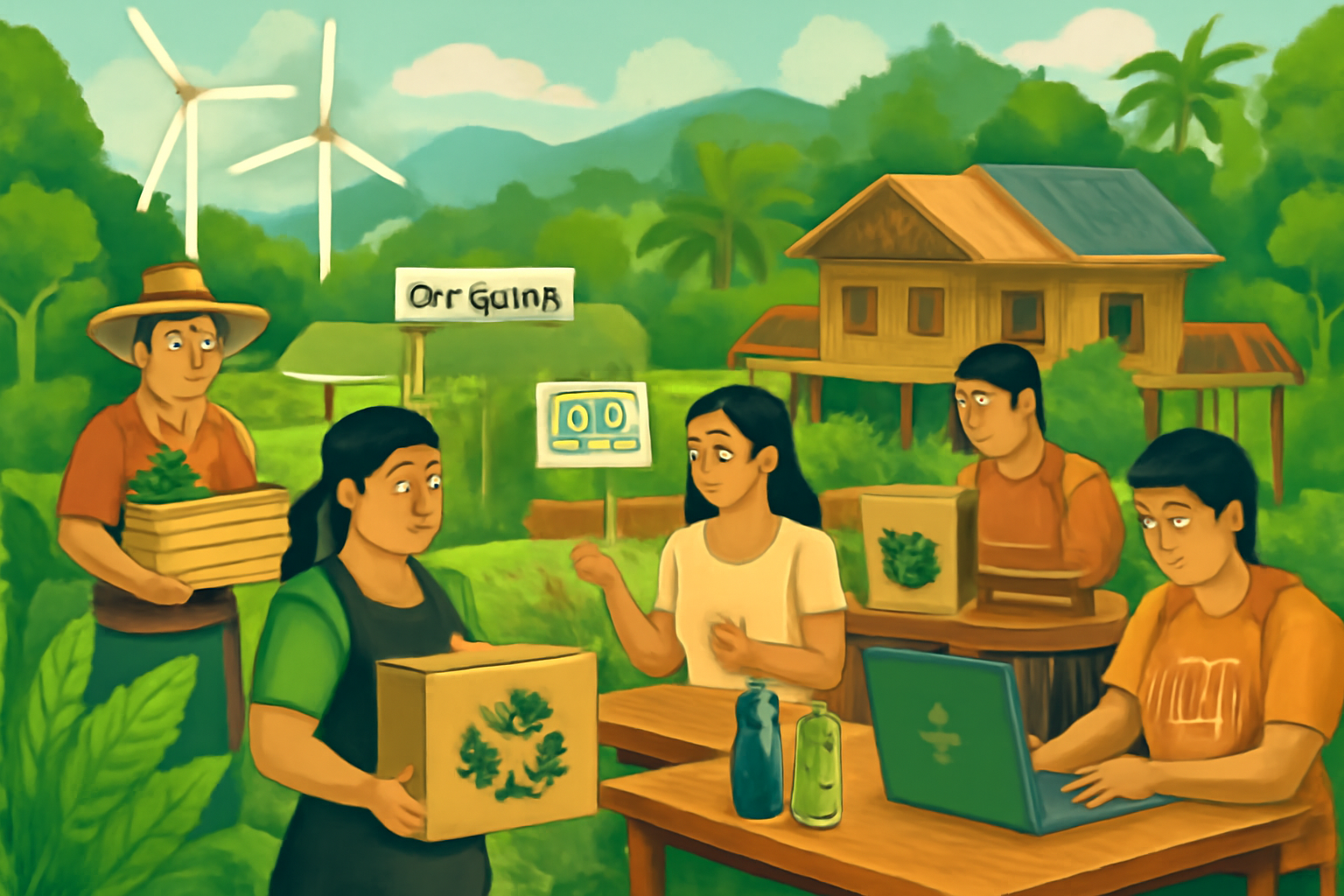


The Philippines has seen a noticeable shift in its business landscape with increasing attention towards sustainability and green initiatives. In recent years, companies across various sectors have adopted environmentally friendly practices to reduce their carbon footprint and promote sustainable growth. This change is driven by both global pressures and local regulatory frameworks aimed at tackling climate change and promoting a greener economy.
A key factor behind the rising popularity of green business in the Philippines is the government’s active role in promoting sustainable development. The government has introduced several policies, including the Philippine Clean Air Act and the Ecological Solid Waste Management Act, to encourage businesses to adopt practices that minimize environmental impact. Companies are now more aware of their environmental responsibilities and are aligning their business models with eco-friendly practices.
One significant trend in the green business sector is the growing interest in renewable energy. As the Philippines is rich in natural resources, such as solar, wind, and geothermal energy, businesses are increasingly turning to these sources to power their operations. Large corporations like SM Group and Ayala Corporation have invested in solar power and other renewable energy solutions, with an eye on reducing reliance on fossil fuels and contributing to the country’s energy sustainability goals.
Additionally, businesses in the Philippines are embracing eco-friendly packaging and waste reduction. Consumer goods companies are shifting towards biodegradable packaging materials, while restaurants and food chains are exploring ways to reduce food waste. These efforts not only improve environmental performance but also align with consumer preferences, as more Filipinos are becoming conscious of the environmental impact of their purchasing choices.
Corporate social responsibility (CSR) programs are also evolving. Many Filipino companies now integrate sustainability into their CSR initiatives, focusing on environmental conservation, reforestation, and waste management. For example, the San Miguel Corporation has invested in biodiversity conservation projects and has taken steps to reduce plastic waste in its operations.
The trend towards green business practices in the Philippines is not limited to large corporations. Small and medium enterprises (SMEs) are also becoming more engaged in sustainable practices. Many local businesses, especially in the tourism sector, are adopting eco-tourism principles and promoting nature-based travel experiences that highlight conservation efforts.
Overall, the green business movement in the Philippines is gaining momentum, driven by a combination of government policies, consumer demand, and corporate responsibility. With continued investment in renewable energy, waste management, and sustainable practices, the country is well on its way to achieving a more sustainable and eco-friendly future.