
The Philippines has a dynamic and rapidly growing stock market, and the government plays a critical role in regulating and shaping the country’s investment landscape. Understanding the various rules and policies established by the government is essential for both local and international investors. These regulations are designed to maintain market stability, promote investor protection, and foster economic growth.
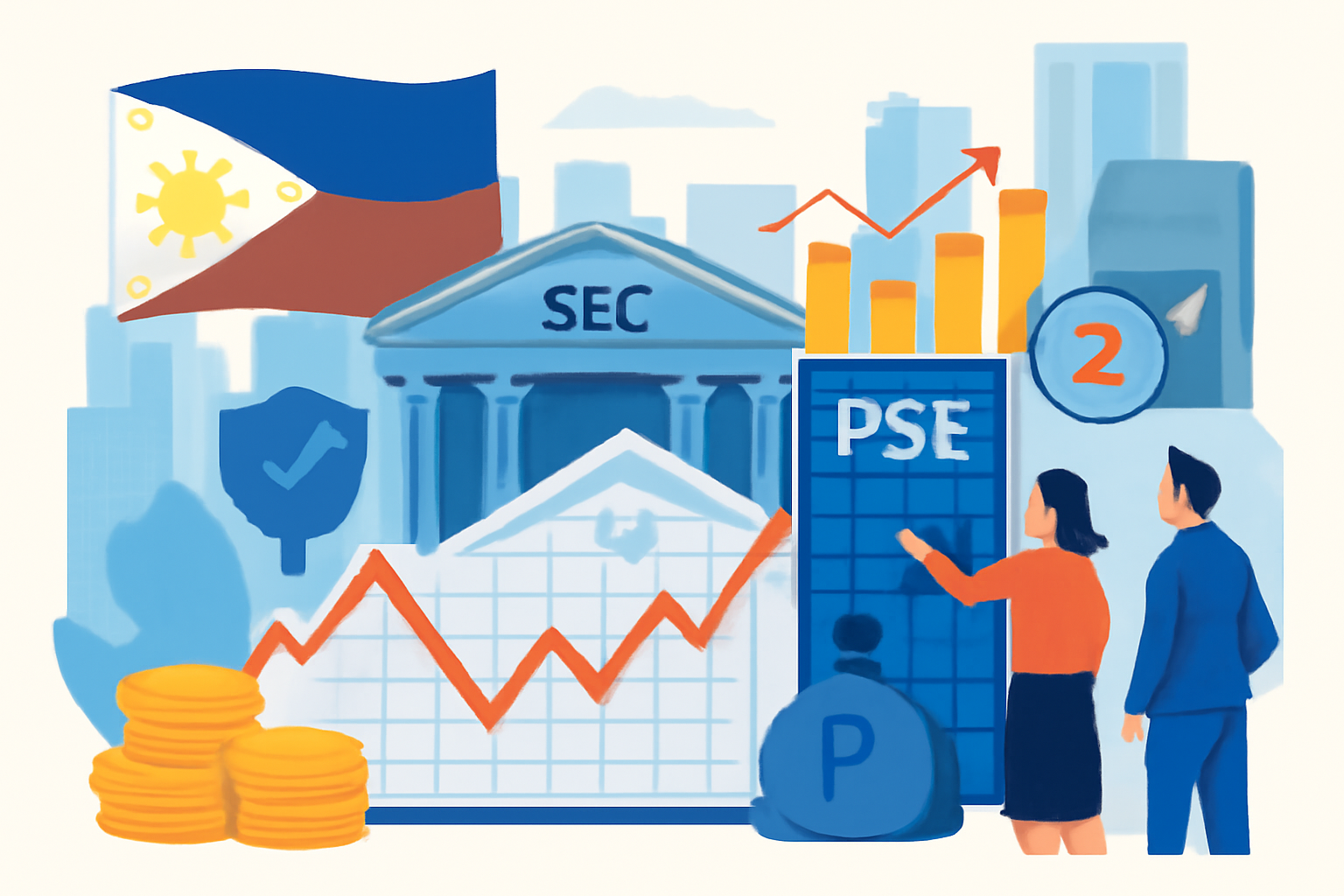
The Philippine Securities and Exchange Commission (SEC) is the primary regulatory body overseeing the securities industry in the country. One of its most significant roles is ensuring that publicly-listed companies adhere to transparent and ethical practices in their operations. The SEC requires these companies to submit regular financial reports, thus enhancing corporate transparency and accountability, which is crucial for attracting investors.
In addition to the SEC, the Philippine Stock Exchange (PSE) plays an essential role in regulating the stock market. The PSE sets the rules for trading activities and maintains the integrity of the market. It also provides a platform for companies to raise capital through Initial Public Offerings (IPOs) and Secondary Offerings, which are vital for the growth of businesses and the economy as a whole.
For the protection of investors, the government has also implemented various policies aimed at ensuring fairness and transparency in stock market transactions. One of the critical measures is the enforcement of insider trading laws. Insider trading refers to the illegal practice of buying or selling stocks based on confidential, non-public information. The SEC and other regulatory bodies actively monitor the market for signs of insider trading and impose severe penalties on violators.
Moreover, the government has developed policies aimed at attracting foreign investors to the Philippine stock market. These policies include easing restrictions on foreign ownership, allowing foreign investors to buy shares in listed companies and participate in the country’s economic growth. By promoting foreign investment, the government hopes to increase capital inflow, improve market liquidity, and enhance the global competitiveness of the Philippines.
Tax incentives also play a significant role in encouraging investment in the Philippines. Various tax programs are available for investors, including exemptions and reductions in capital gains taxes for transactions involving certain types of securities. Additionally, the government has created tax-free bonds and other financial products to attract long-term investors who wish to contribute to national development.
The government also seeks to enhance financial literacy among Filipinos, recognizing that informed investors are less likely to fall victim to scams or make poor investment choices. Several educational programs, workshops, and seminars are organized to equip Filipinos with the necessary skills and knowledge to make sound investment decisions. This commitment to increasing financial literacy aims to build a more robust and informed investor base in the Philippines.
Another important policy implemented by the government is the establishment of the Philippine Deposit Insurance Corporation (PDIC). The PDIC protects depositors by ensuring that their savings are secure even in the event of a bank failure. This policy gives investors greater confidence in the stability of the financial system and encourages them to invest more in both the banking and stock markets.
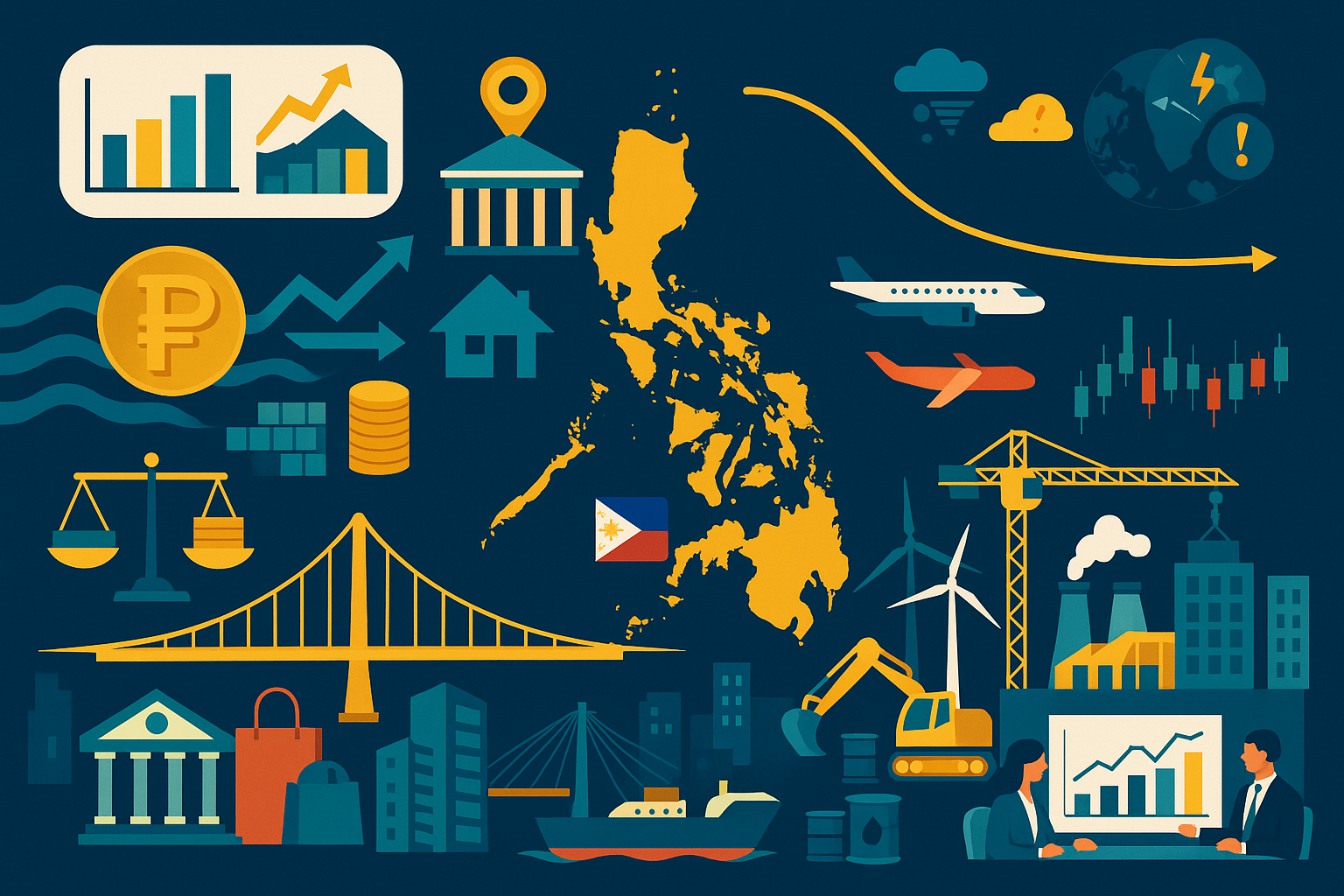
Furthermore, the government continues to work on improving the country’s infrastructure and business environment, which in turn benefits the stock market. Initiatives aimed at reducing red tape, enhancing transparency, and improving governance structures within corporations are integral parts of the government’s efforts to create a favorable investment climate.
Overall, the regulatory and policy framework governing the stock market and investment in the Philippines is designed to create a transparent, secure, and attractive environment for both domestic and international investors. The government continues to implement measures that ensure market integrity, protect investors, and foster economic growth. By maintaining an open and stable investment environment, the Philippines is positioning itself as an increasingly attractive market for investors in Southeast Asia.