


A Philippine call-center agent once had to search knowledge bases, type case notes and transfer complex queries while customers waited. In 2026, a different workflow is emerging: software retrieves relevant policies, transcribes conversations and recommends responses in real time. The change is opening opportunities for Philippine artificial-intelligence startups, even as established outsourcing providers reconsider how they price and staff their services.
A $42.3 Billion Industry Faces a Productivity Test
The Philippines remains a major global hub for information technology and business process management (IT-BPM), including contact centers, finance operations, healthcare support and software services. But the industry’s expansion is increasingly being measured by value delivered rather than the number of employees added.
At a September 2026 industry briefing, the IT & Business Process Association of the Philippines (IBPAP) projected $42.3 billion in revenue and 1.94 million full-time workers for 2026. It expected revenue to reach approximately $45 billion in 2027, with employment rising more slowly to 1.99 million. The figures, reported by GMA News, indicate a shift toward productivity-driven growth, not proof that every outsourcing job is disappearing.
Filipino-Language AI Creates a Local Advantage
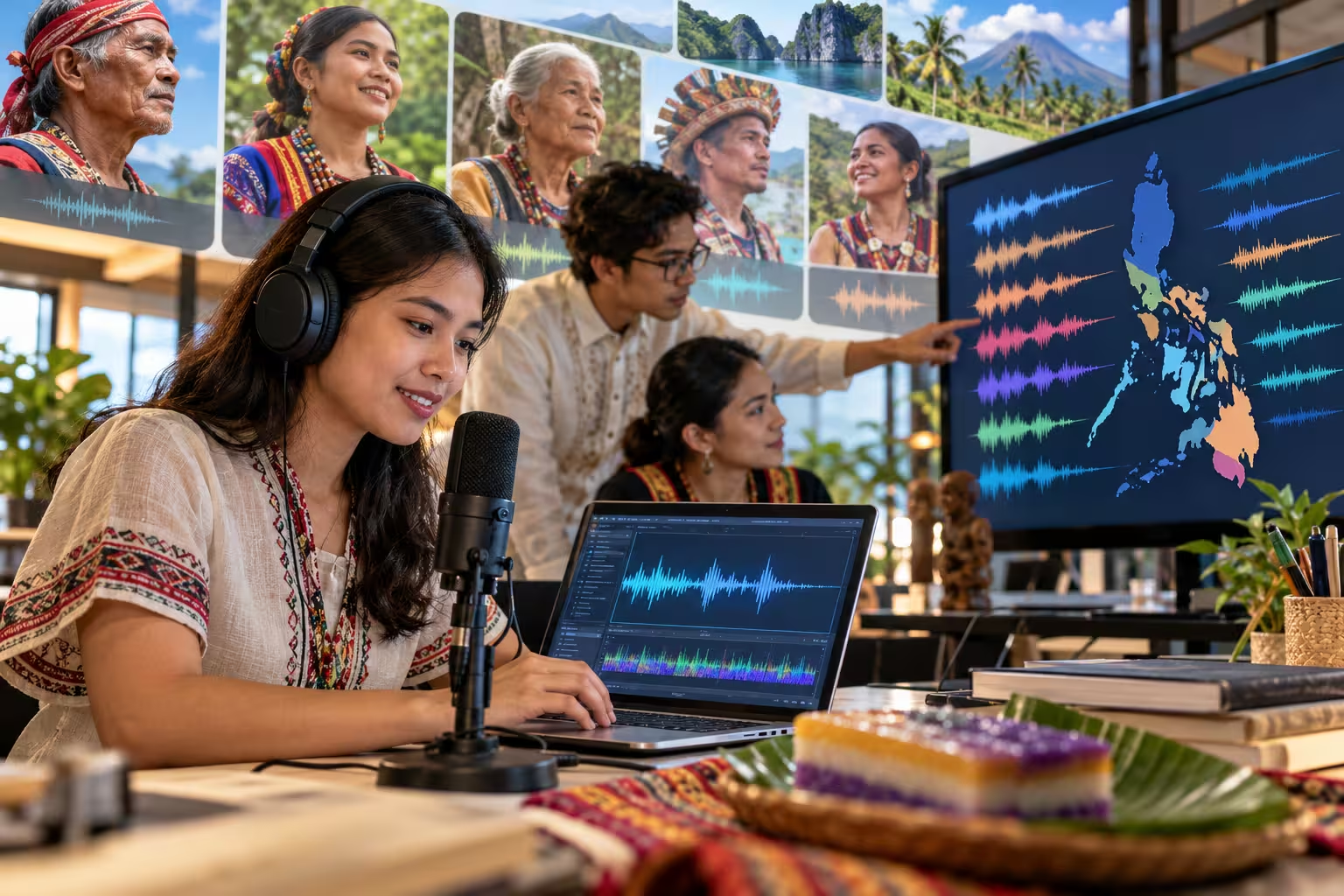
One revealing example is Senti AI, a Philippine AI company whose conversational tools target problems that generic English-language systems can miss. Its Natter assistant is designed to understand English, Tagalog and Taglish, while the Balagtas language engine processes Philippine-language variations. Its Voix product targets contact-center voice interactions.
These products illustrate why local technology firms could become suppliers to BPO operators rather than simply competing with them. A customer asking about a delayed parcel may switch between English and Tagalog, use informal expressions or describe an address imperfectly. Language-aware systems can help classify the request and retrieve relevant information, while a human representative handles sensitive disputes or exceptions.
The products’ capabilities are described on Senti AI’s website; their effectiveness across individual BPO deployments should be assessed through independent performance testing.
The Outsourcing Contract Is Changing
Traditional contracts often revolve around agent headcount, working hours and service-level targets. AI-enabled operations can instead be evaluated on first-contact resolution, customer satisfaction, handling time, accuracy and the proportion of queries resolved without escalation.
Startups may find opportunities in automated quality assurance, knowledge retrieval, speech analytics and multilingual chat. For clients in banking or healthcare, however, cheaper interactions are not enough. Providers need consent controls, audit trails, secure data handling and a clear process for correcting inaccurate model outputs.
Automation also changes workforce economics. Entry-level transcription and repetitive support tasks face pressure, while demand may increase for workflow designers, AI supervisors, cybersecurity specialists and employees trained to manage difficult customer situations. These are potential transitions, not guaranteed job-for-job replacements.
Why Cebu and Metro Manila Still Matter
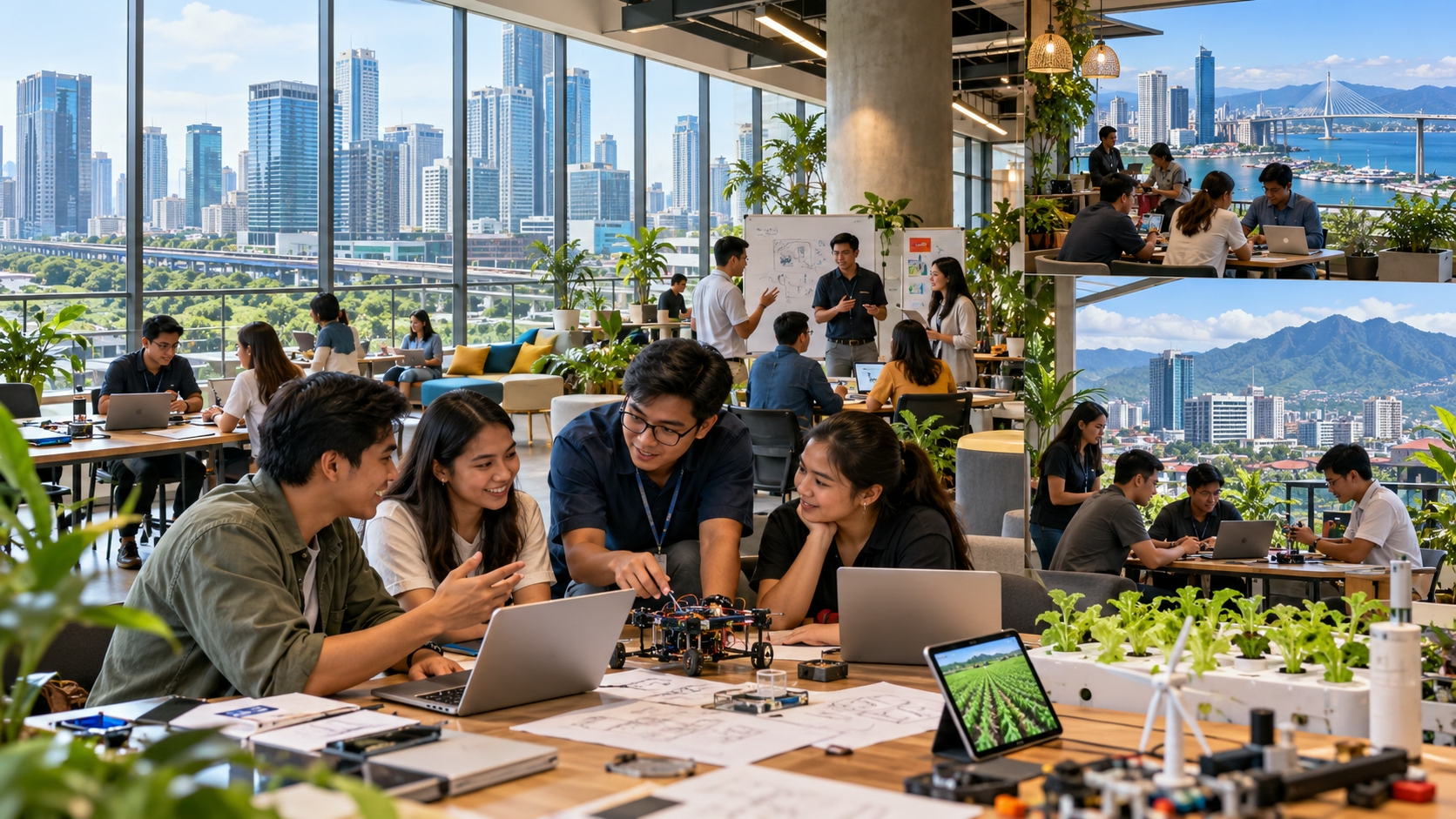
The Philippines’ advantage extends beyond labor costs. Large service centers provide experienced managers, established client relationships and operational knowledge. Startups can test software against real service challenges, but access to commercially sensitive customer data requires stringent safeguards.
The critical question in 2026 is whether Philippine companies can combine those human capabilities with defensible technology. Outsourcers that retrain workers and measure AI against service quality may move toward higher-margin services. Those treating automation only as a staffing reduction risk undermining the trust on which international customer-support contracts depend.










Leave a Reply