

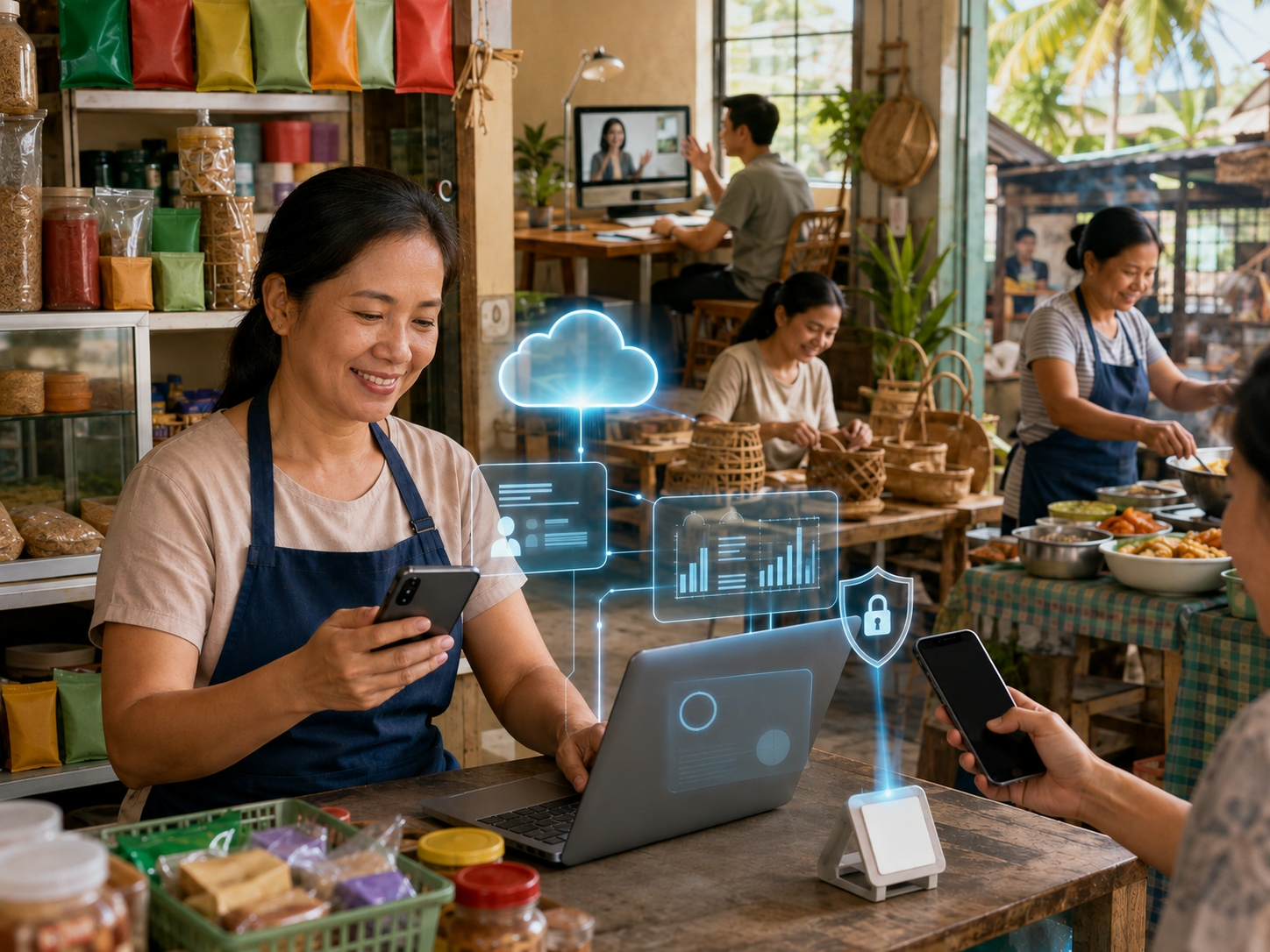
Imagine walking into a boutique in Bonifacio Global City (BGC) where a smart mirror automatically suggests a top that matches the pants you are trying on, based on your purchase history and the weather that day. This scenario is no longer science fiction; by 2026, AI-driven personalization has become the backbone of the Philippine retail industry. The shift is fueled by increasingly mature digital consumer behavior and the need for businesses to survive amid intense price competition.
Rising Expectations of Digital Consumers
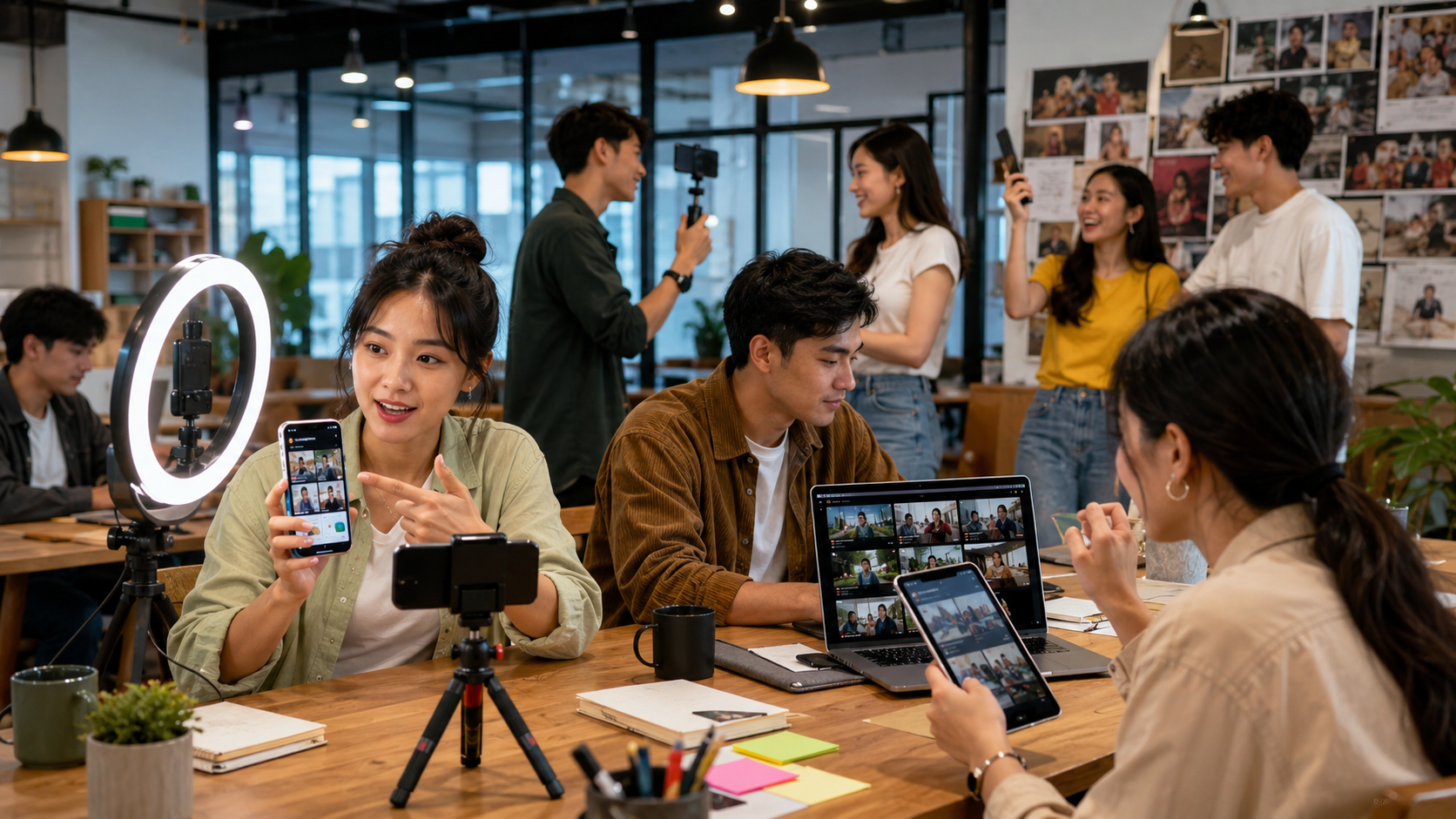
Filipino consumers are known to be among the most active social media users in the world. By 2026, their expectations have evolved from mere transactional convenience to a need for highly personalized experiences. They are no longer interested in generic mass promotions. Recent data shows that a majority of online shoppers in Metro Manila tend to abandon their carts if the platform does not offer relevant product recommendations in real time. This forces retail players—from giants like SM Retail to independent boutiques on Shopee and Lazada—to adopt machine learning algorithms.
AI Implementation in Daily Operations
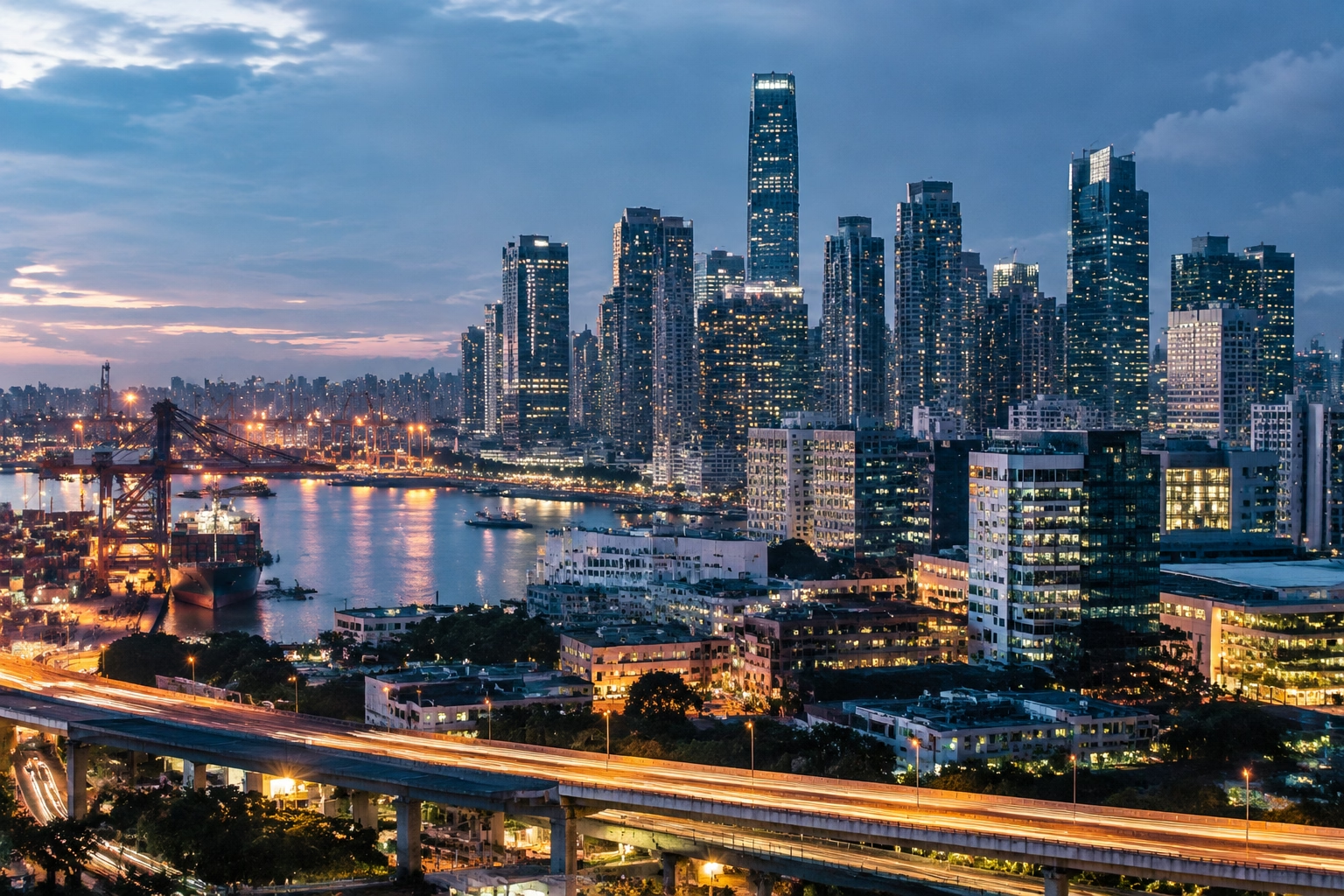
The application of this technology in the Philippines is not limited to product recommendations. Retail businesses now use AI to optimize inventory management. At the port of Manila, which often suffers from logistical congestion, AI helps distributors predict product demand with up to 95 percent accuracy, reducing the risk of overstocking or stockouts during the rainy season or major holidays like Christmas. Furthermore, chatbot technology equipped with Natural Language Processing (NLP) can now handle customer inquiries in Taglish (a mix of Tagalog and English) more naturally, eliminating the communication friction that used to be a common complaint.
Case Study: Quick-Service Restaurant Warehouse Efficiency
The quick-service restaurant (QSR) sector provides a concrete example. Jollibee Foods Corporation, as a dominant player, has increased investment in AI-driven analytics systems to predict purchase spikes during lunch hours in Makati office areas. The system automatically adjusts the number of fryers and raw material preparation. According to a report from the Asian Development Bank (ADB), digitalization and supply chain automation in Southeast Asia, including the Philippines, are projected to increase service sector productivity by up to 30 percent by 2026. This implementation has reduced customer waiting times by 40 percent—a critical metric in the fast-food industry.
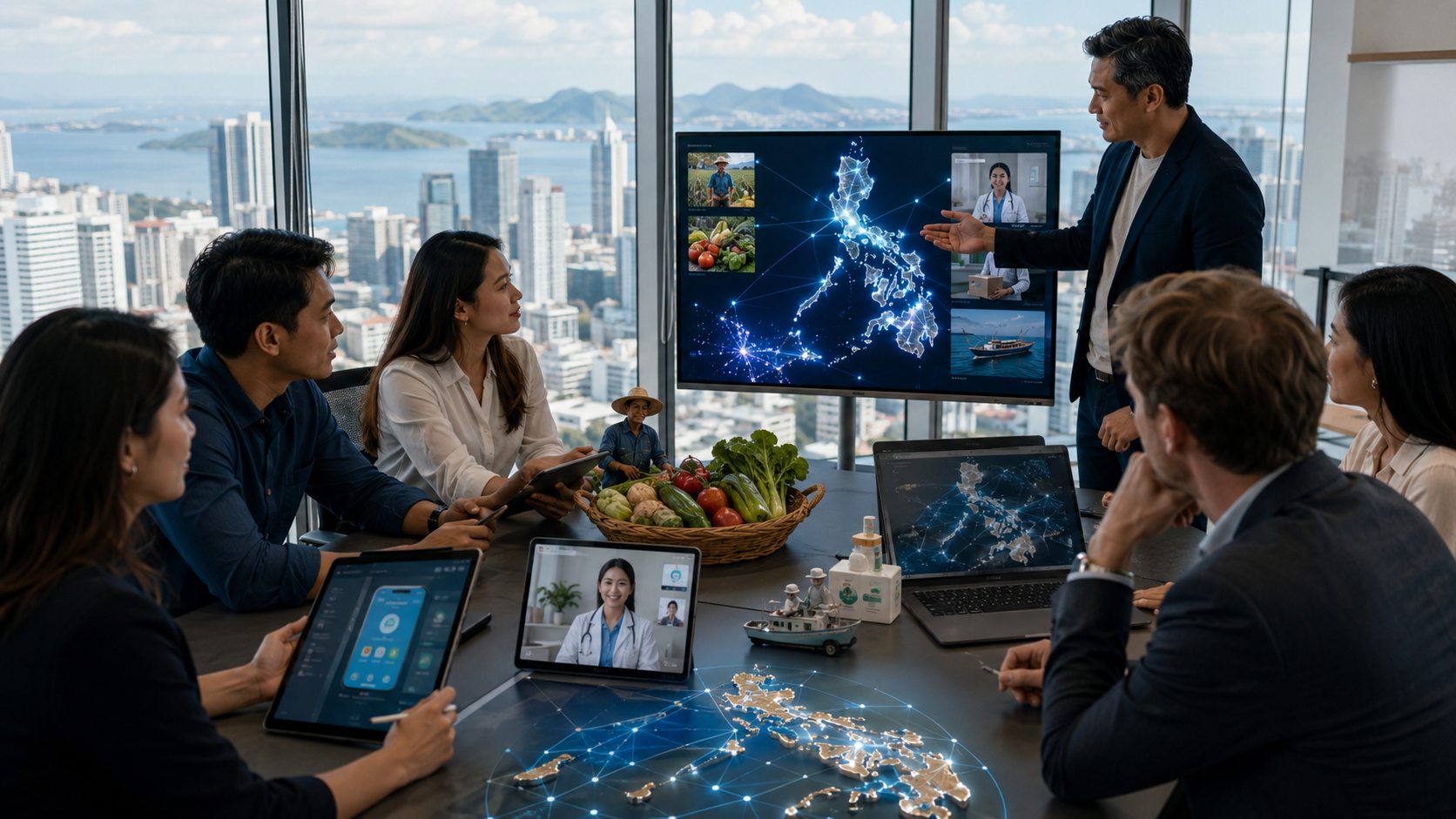
This transformation requires business owners to invest not only in software but also in upgrading the skills of the local workforce. Companies that succeed in 2026 are those that can align the speed of technology with the human touch that remains characteristic of Filipino consumer service hospitality.




Leave a Reply